Conveying
Vacuum Conveyor
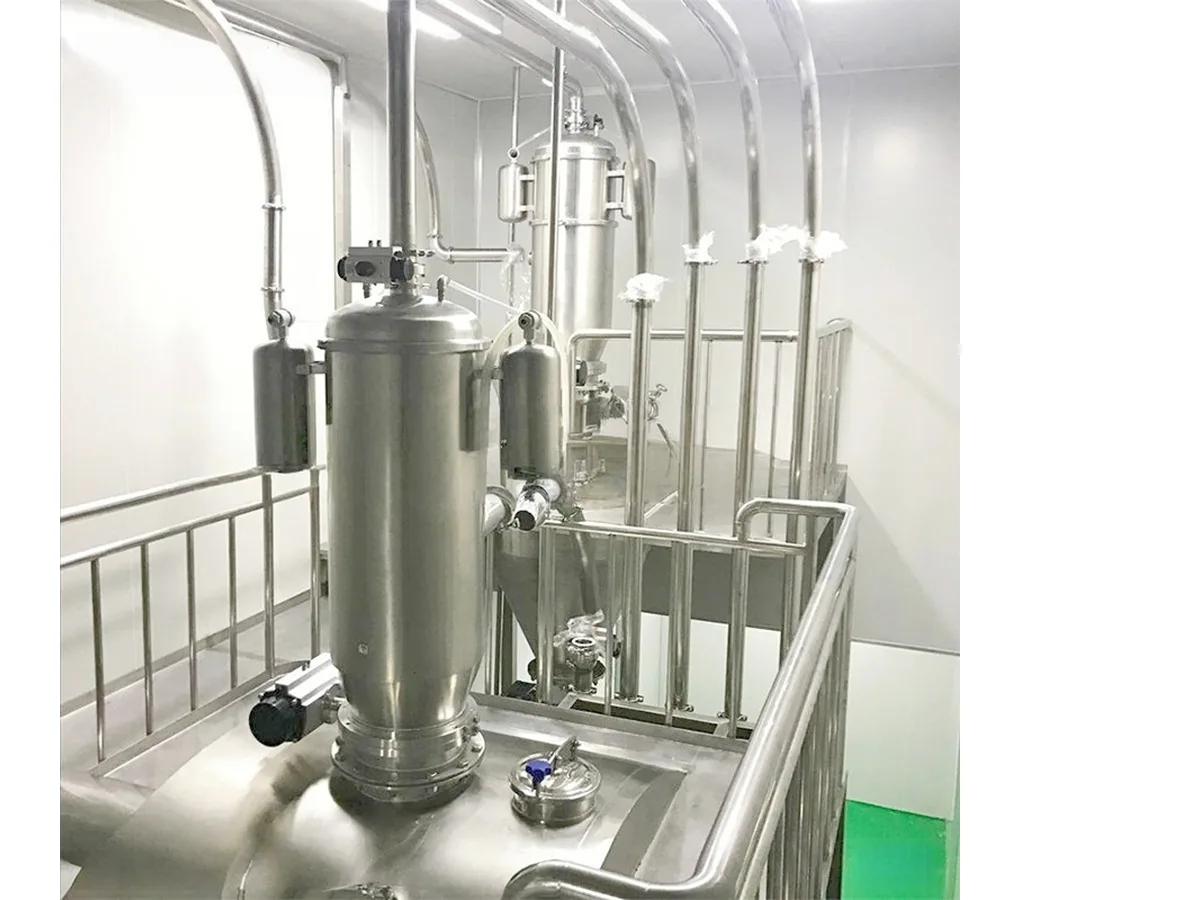
CYprocess vacuum conveyors — also called vacuum feeders or vacuum loaders — transfer powders, granules, dust and small parts through closed pipelines. The enclosed path makes handling safe, hygienic and dust-free.
Shanghai-built. Drawings come with the quotation, and material certificates are available on request. Factory and documents
1 / 5
Overview
About Vacuum Conveyor
How this equipment works in powder handling lines and what to consider when selecting it.
Working principle
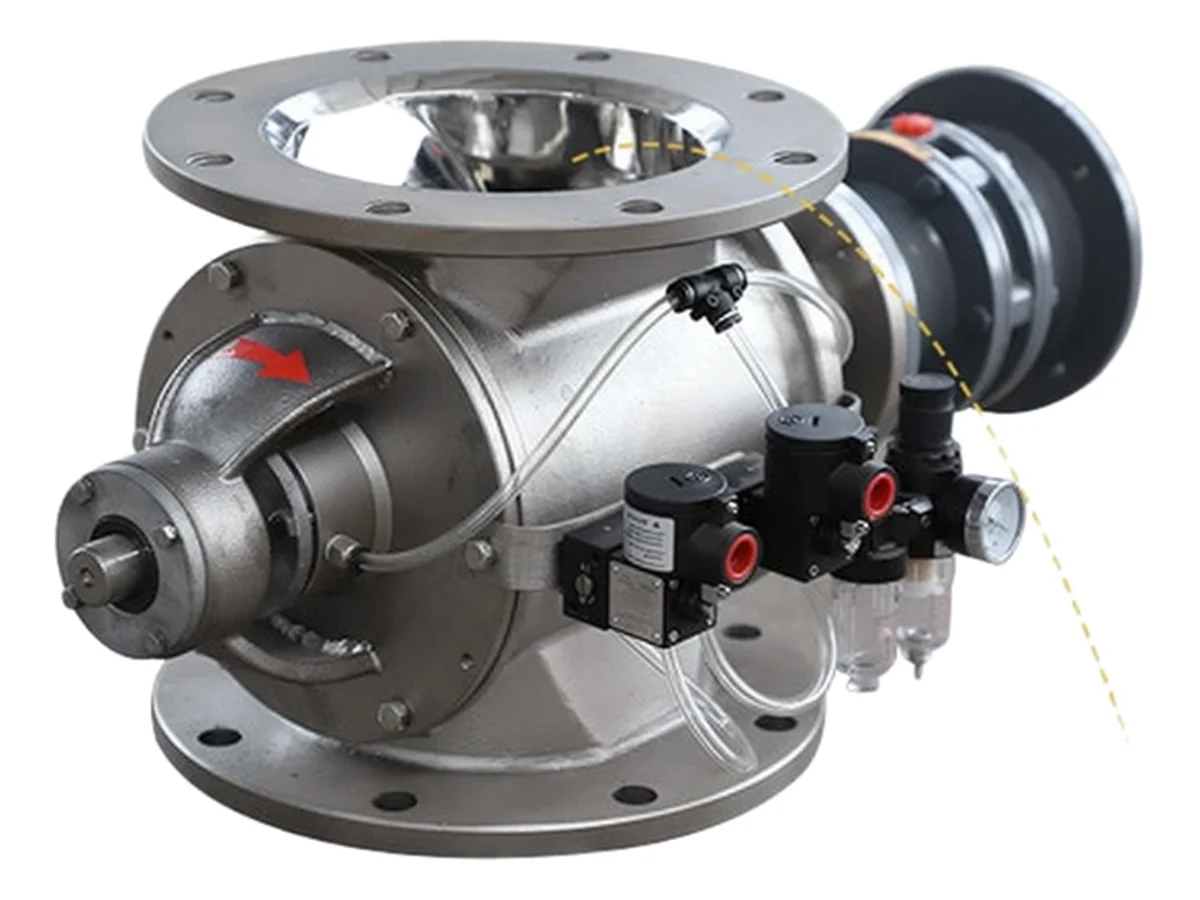
A vacuum source draws powder or granules through a closed pipeline to the filter receiver, where product separates from the conveying air and discharges through a flap, butterfly or rotary valve. The fully enclosed path keeps dust contained and the product protected.
Options and integration
Choose intermittent or continuous discharge. A level probe lets the unit start and stop by itself, and one station can serve several machines in rotation through diverter valves. Product-contact parts are SS304 or SS316L.
Where it fits in the process
Features
Key Features
Design points that make the Vacuum Conveyor practical for industrial powder plants.
Specifications
Typical Specifications
Final sizing depends on material properties, capacity and plant layout. Request a project review for a tailored proposal.
Model range
| Model | Size Ø × H (mm) | Capacity (kg/h) | Power (kW) | Filter area (m²) | Discharge | Material |
|---|---|---|---|---|---|---|
| CY-VC-180 | Φ180 × 700 | ≤250 | 2.2 | 0.45 | Intermittent | SS304 / SS316L |
| CY-VC-250 | Φ250 × 900 | ≤500 | 4 | 0.45 | Intermittent | SS304 / SS316L |
| CY-VC-320 | Φ320 × 1100 | ≤1000 | 5.5 | 0.9 | Intermittent | SS304 / SS316L |
| CY-VC-430 | Φ430 × 1500 | ≤2000 | 7.5 | 1.35 | Intermittent | SS304 / SS316L |
| CY-VC-560 | Φ560 × 1800 | ≤3000 | 11 | 2.7 | Intermittent | SS304 / SS316L |
| CY-VC-250L | Φ800 × 1600 | ≤1200 | 5.5 | 0.9 | Continuous | SS304 / SS316L |
| CY-VC-320L | Φ900 × 2150 | ≤2500 | 7.5 | 1.8 | Continuous | SS304 / SS316L |
| CY-VC-430L | Φ1100 × 2600 | ≤4500 | 11 | 2.7 | Continuous | SS304 / SS316L |
| CY-VC-560L | Φ1400 × 3250 | ≤6000 | 15 | 5.4 | Continuous | SS304 / SS316L |
Capacities are indicative maxima for free-flowing powders over short conveying distances. Final sizing depends on bulk density, particle size, moisture and total conveying distance — confirm with our engineers before ordering. Custom sizes available. Model codes ending in L are the continuous-discharge versions.
General specifications
| Construction | SS304 / SS316L product contact |
|---|---|
| Filter options | UHMWPE / PTFE membrane / sintered titanium |
| Discharge | Intermittent or continuous; flap / butterfly / rotary valve |
| Cleaning | Compressed-air reverse pulse on filter |
| Air supply | Typically about 0.5 - 0.6 MPa clean dry air for pulse and valves |
| Control | Timer / PLC; optional level auto start-stop |
| Conveying line | Flexible hose or hard stainless steel pipe, sized per route and rate |
| Indicative capacity | Up to 3000 kg/h on intermittent models; up to 6000 kg/h on continuous-discharge (L) models. These are maxima for free-flowing powder on a short route. |
| Receiver size | From Φ180 × 700 mm to Φ1400 × 3250 mm across the listed models |
| Vacuum source power | 2.2 - 15 kW on the listed models |
| How the table should be read | Published kg/h falls as horizontal distance, vertical lift, bends, bulk density and moisture increase. Send the route before treating a model capacity as the plant rate. |
Materials
Suitable Materials
Powder and granule categories typically specified with a vacuum conveyor. Suitability is confirmed per project from bulk density, particle size, moisture and process conditions.
Food & dairy powders
flour, starch, sugar, cocoa, milk powder, food additives
Pharmaceutical solids
API, excipients, lactose, granulates
Battery materials
NCM / LFP cathode, graphite anode, conductive carbon
Chemical powders
pigments, dyes, resins, fine chemicals
Granules & pellets
plastic granules, masterbatch, additives
Metal oxides & minerals
alumina, copper oxide, mineral fillers
Not sure whether your material will convey? Send us a sample description and we will confirm before quotation.
Industries
Industries Served
Sectors where vacuum conveyor units are specified today.

Food
Hygienic vacuum conveying, bag dump and dosing for food powders and additives.
Industry page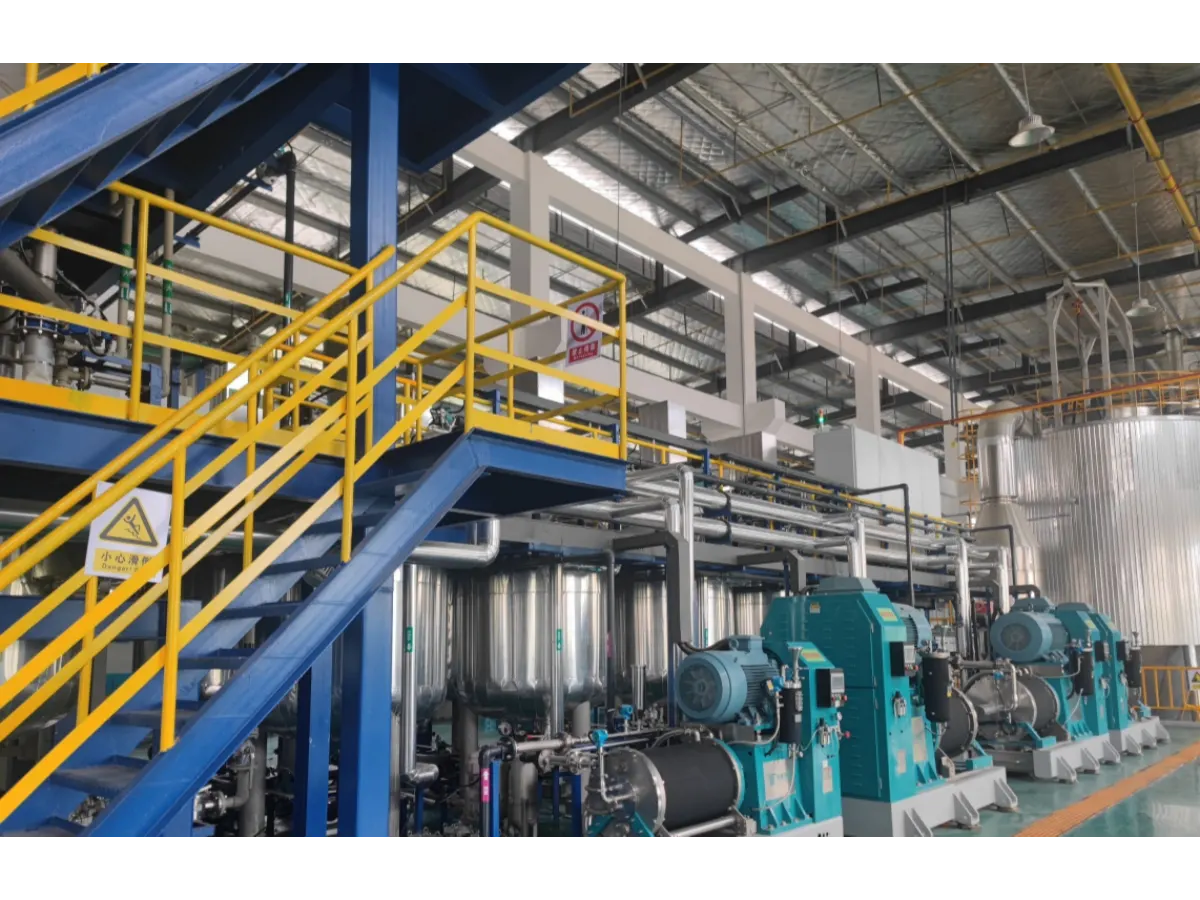
Battery
Contained transfer and metering for NCM, LFP, graphite and conductive additives.
Industry page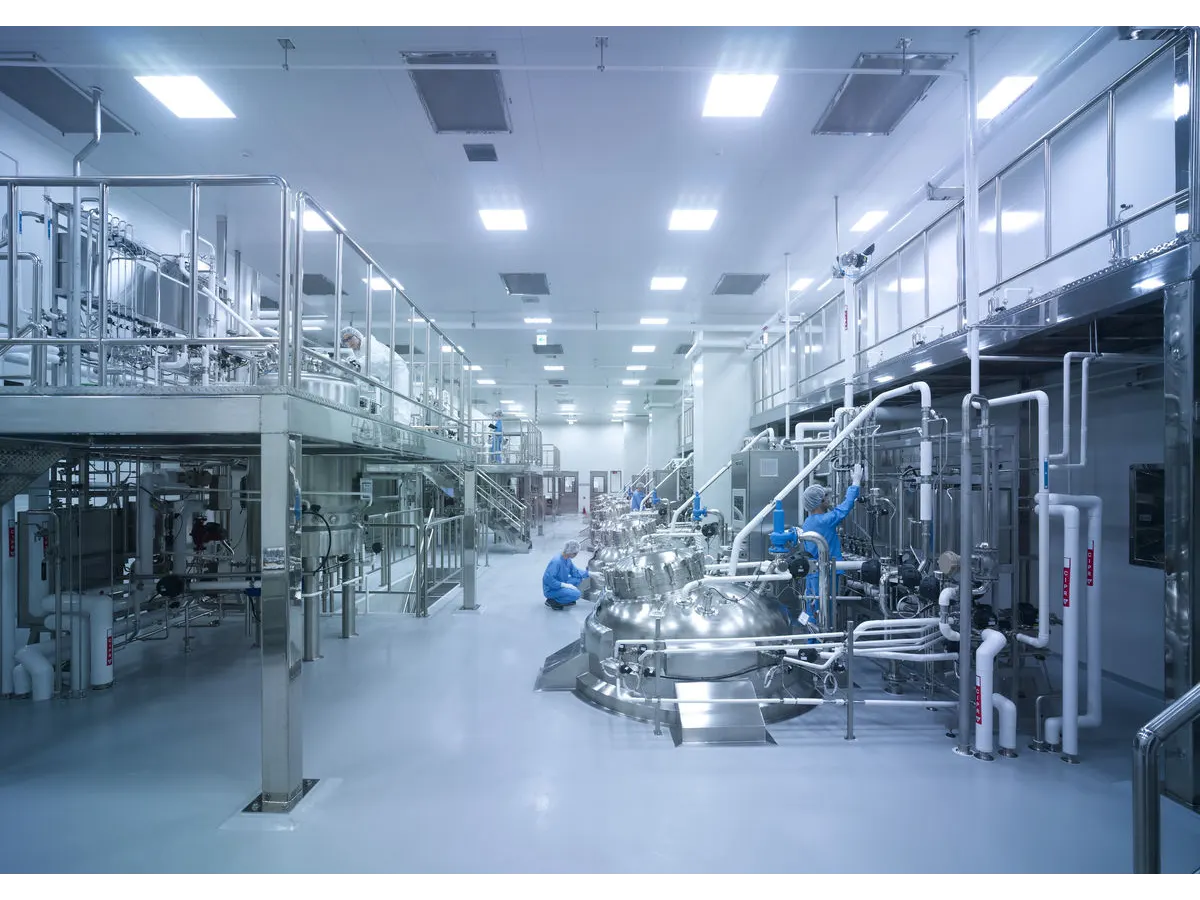
Pharmaceutical
Enclosed dryer-to-pack transfer for API, excipients and agrochem powders.
Industry page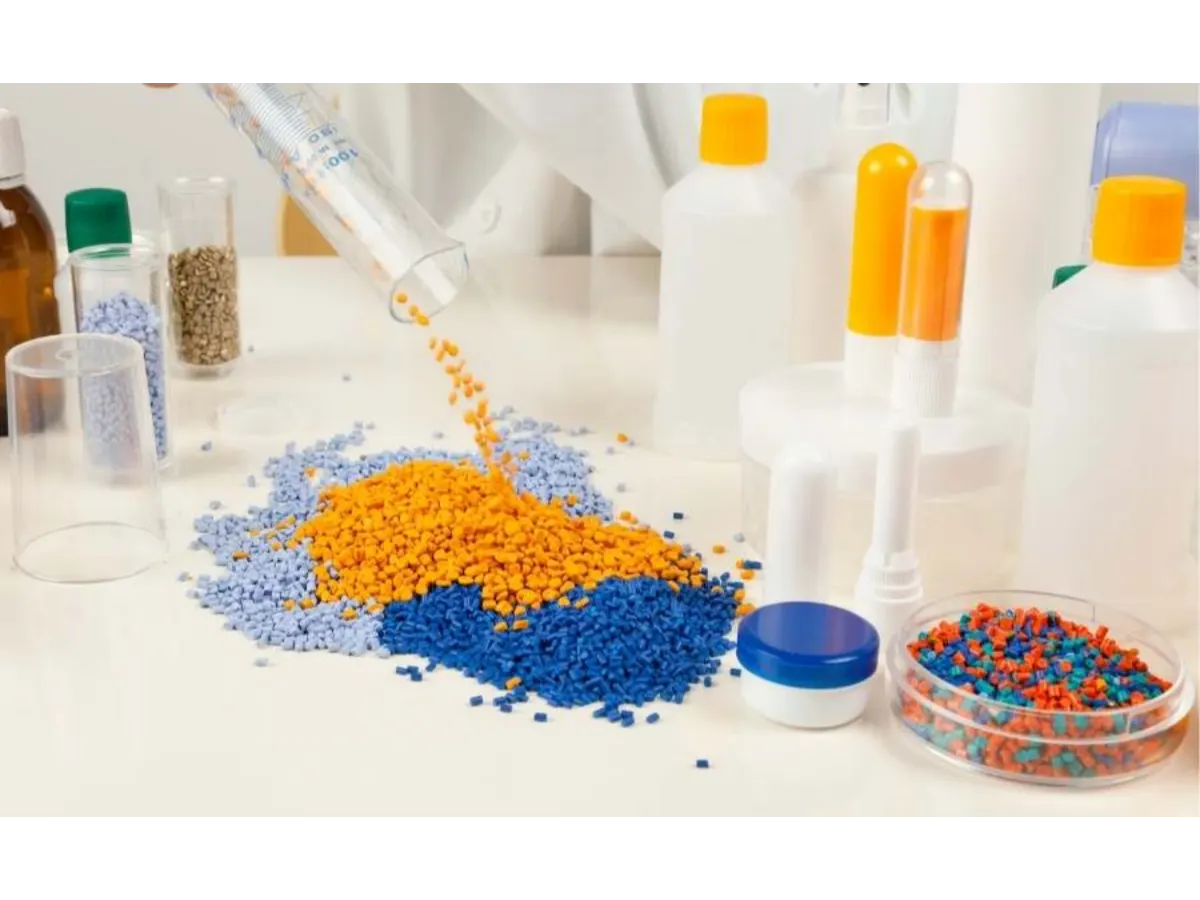
Chemical
Multi-floor vacuum conveying, pigment packing and abrasive powder transfer.
Industry page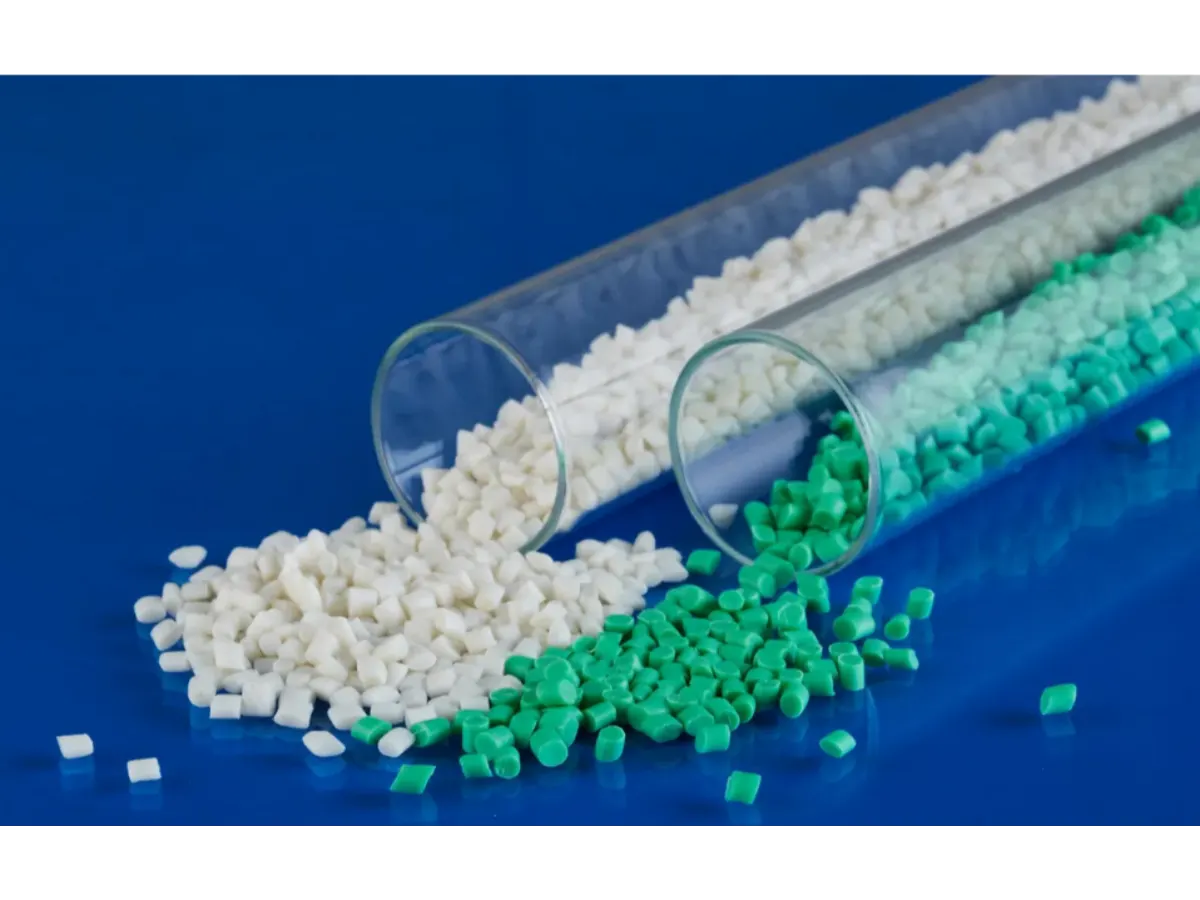
Plastic
Central feeding of resins, masterbatch and additives into compounding lines.
Industry page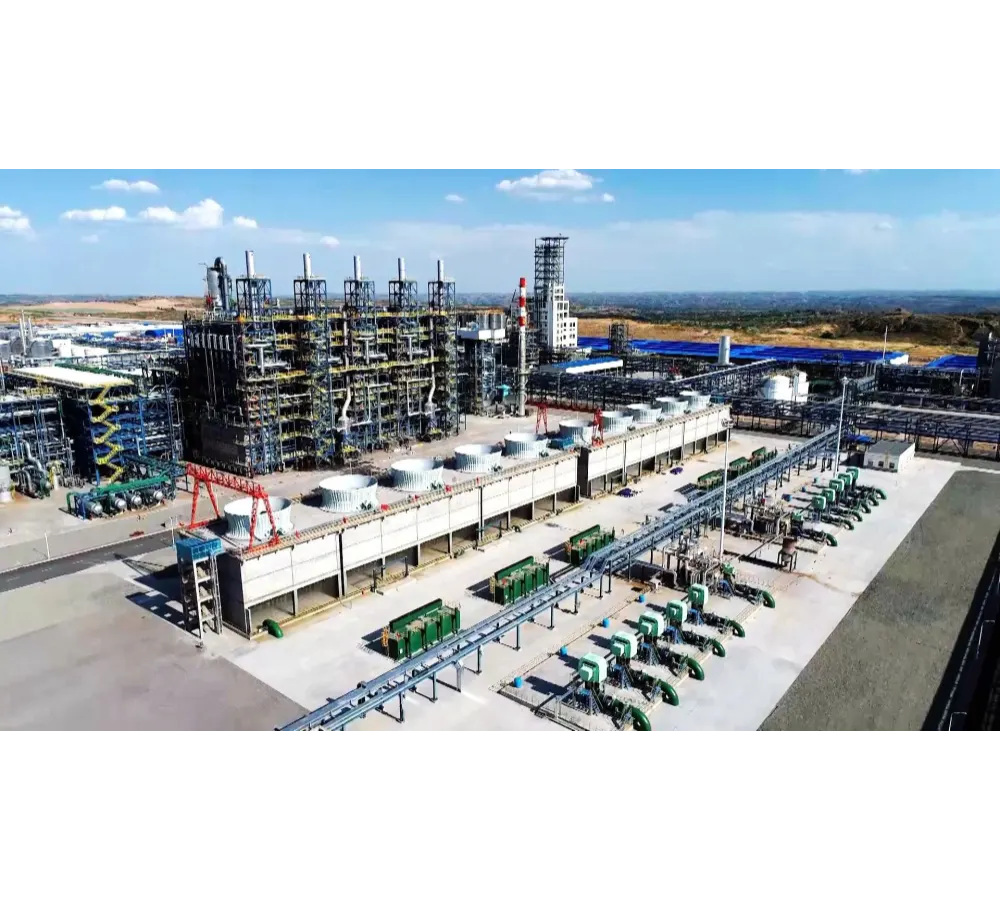
New Energy
Powder automation for lithium materials, CNT slurry prep and related plants.
Industry pageProject experience
Where this equipment is running
Selected projects that include vacuum conveyor.
New Energy
Screening, Weighing & Metered Feeding for Ternary Battery Materials
Zhejiang, China · 2024
Read case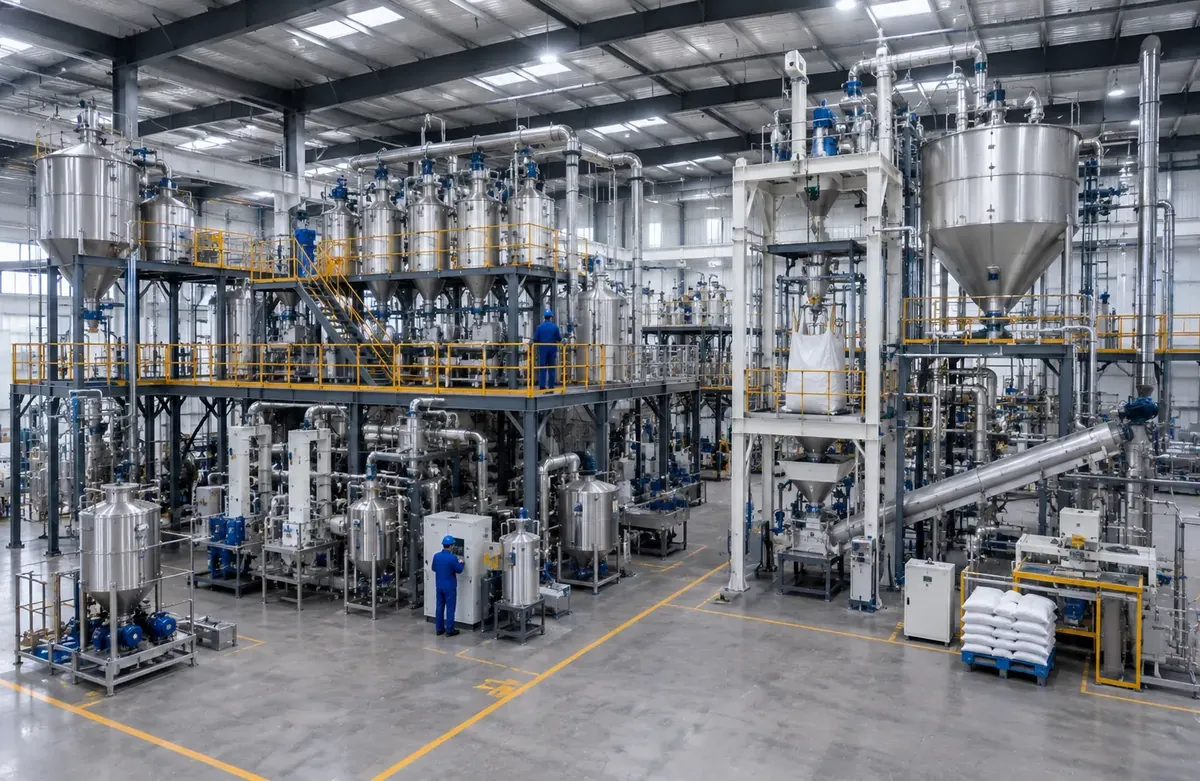
New Energy
Vacuum Conveying & Ton-Bag Packing for NCM / Anode Graphite
Hunan, China · 2024
Read caseFood
Screening & Vacuum Feeding for Food Ingredient Mixing
Shanghai, China · 2024
Read case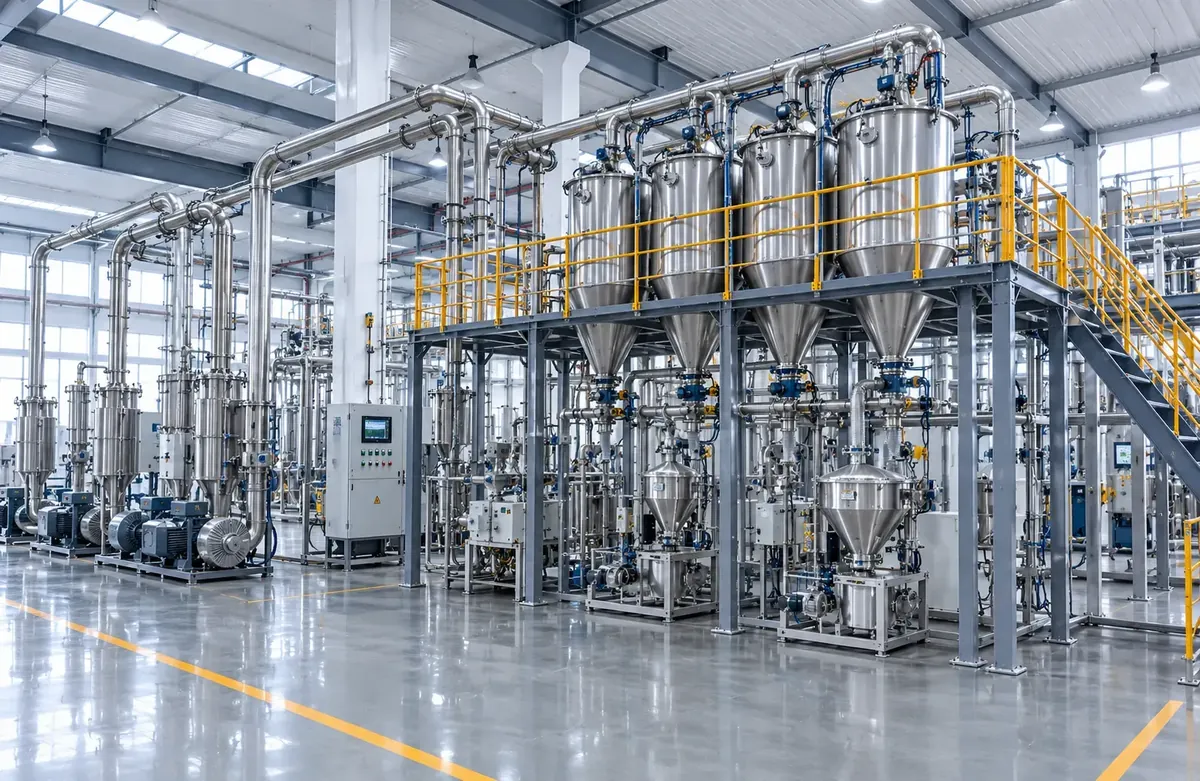
Food
Automatic Batching, Mixing & Packaging for Food Additives
Henan, China · 2023
Read case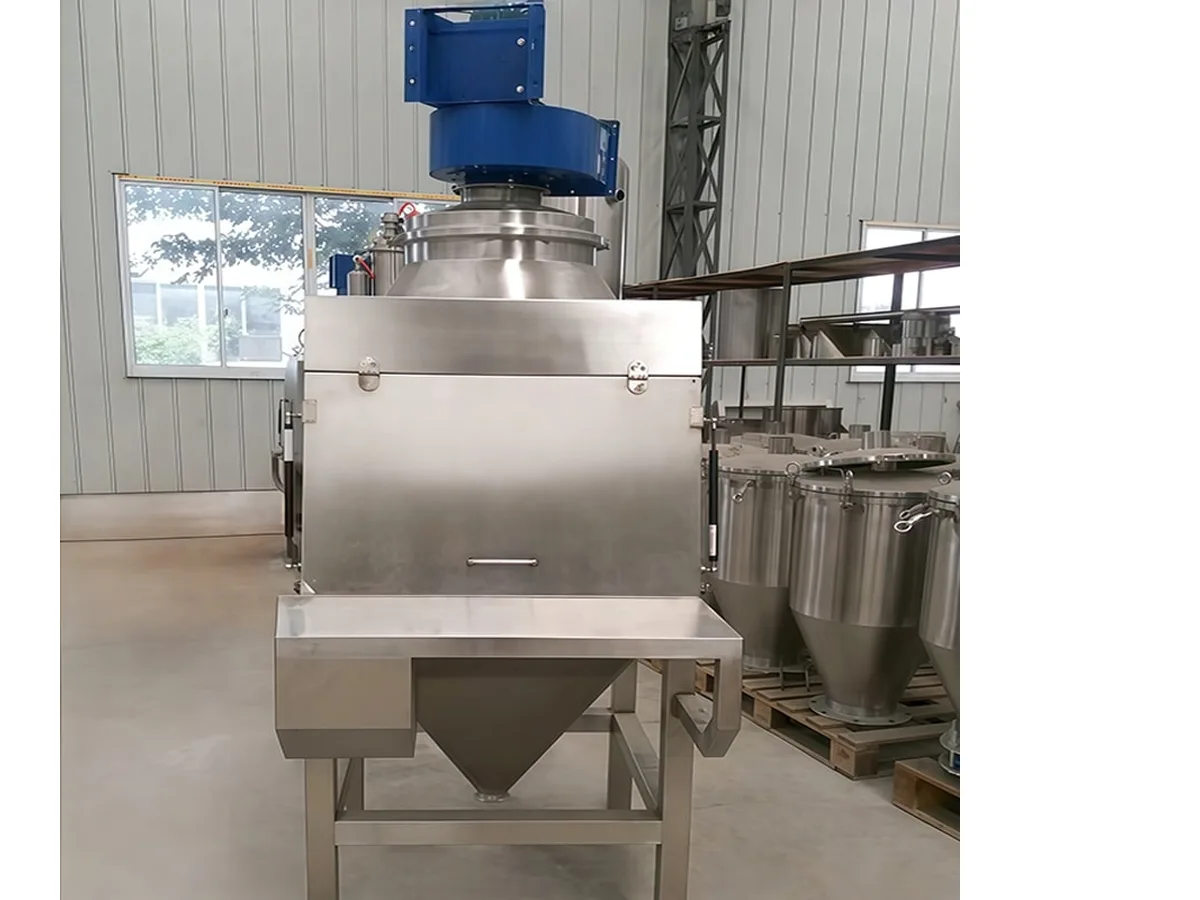
Food
Dust-Free Tip Stations with Multi-Point Weigh Dosing
Suzhou, China · 2024
Read caseChemical
Multi-Floor Vacuum Conveying for Fluorochemical Powders
Changshu, China · 2023
Read caseApplications
Process Applications
Process points where this equipment is typically installed, from bulk intake through to packing.
Downloads
Catalogs & Datasheets
Technical documents related to this product and our powder handling range.
FAQ
Vacuum Conveyor FAQ
Common questions about selection, integration and quotation.
Please provide material name, bulk density, particle size, moisture or stickiness, required capacity (kg/h), horizontal and vertical conveying distance, number of pick-up and drop points, and destination equipment (mixer, hopper, packer, etc.). Hygiene, ATEX or inert-gas requirements should also be stated.
Knowledge
Related Blogs
Articles that help with selection, layout and system design.
Vacuum Conveying
How Vacuum Conveyors Work
Learn how vacuum conveying systems transfer powders dust-free — from pickup to discharge — and how to specify the right system for your plant.
Read articleFood Industry
Powder Conveying Solutions for Food Industry
Explore hygienic powder conveying solutions for food processing applications.
Read articleNew Energy
Powder Handling Solutions for Battery Materials
How powder conveying improves efficiency in battery material production.
Read articleSystem partners
Related Products
Equipment commonly paired with Vacuum Conveyor in complete powder handling lines.
Engineering support
Enquire about Vacuum Conveyor
Share your material, capacity and plant layout. Our engineers will confirm sizing and send a tailored proposal.