Industry
Battery
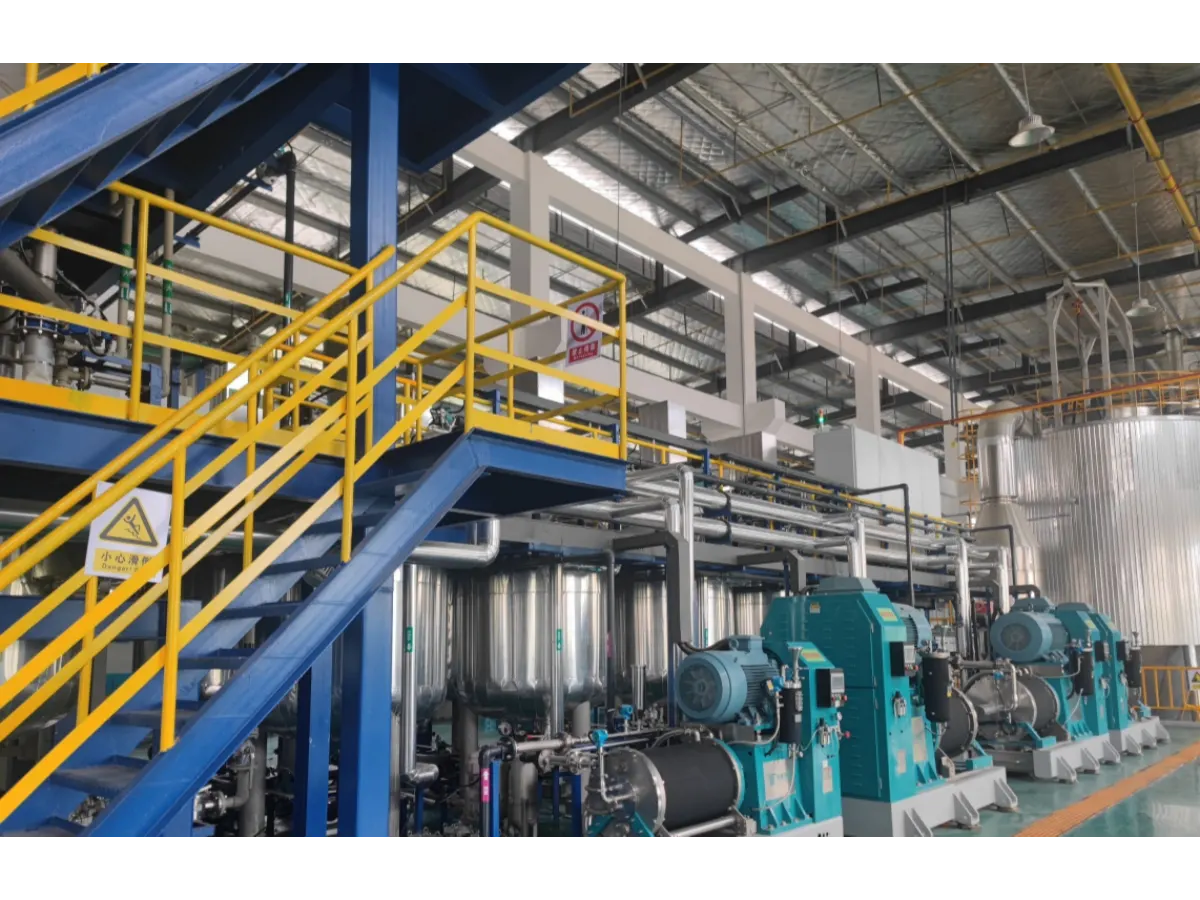
Battery material lines demand contamination control, metal-free transfer options and accurate weigh feeding from FIBC or process vessels into mixers and packers.
Materials we handle
Cathode precursors and finished NCM / NCA powders, LFP and iron-phosphate materials, graphite anodes, conductive additives and binders. These powders are fine, often abrasive and sensitive to moisture and metal contamination, so the transfer chain stays closed from intake through to packing.
Contamination control
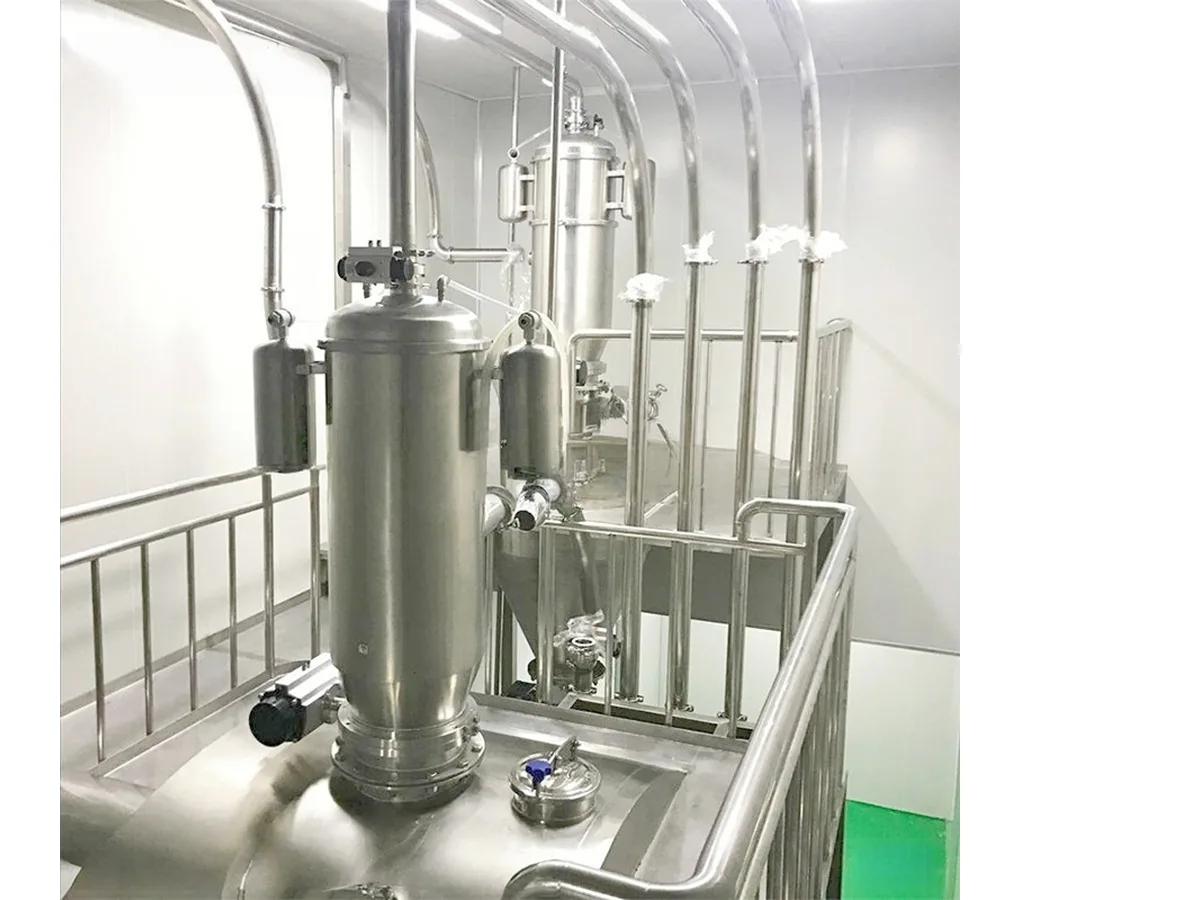
Product-contact parts can be supplied with wear linings, and pipelines are routed to avoid unnecessary bends. De-ironing magnets and safety screens sit in the flow where the specification requires them, and joints are flanged or clamped rather than left open.
Long and abrasive routes
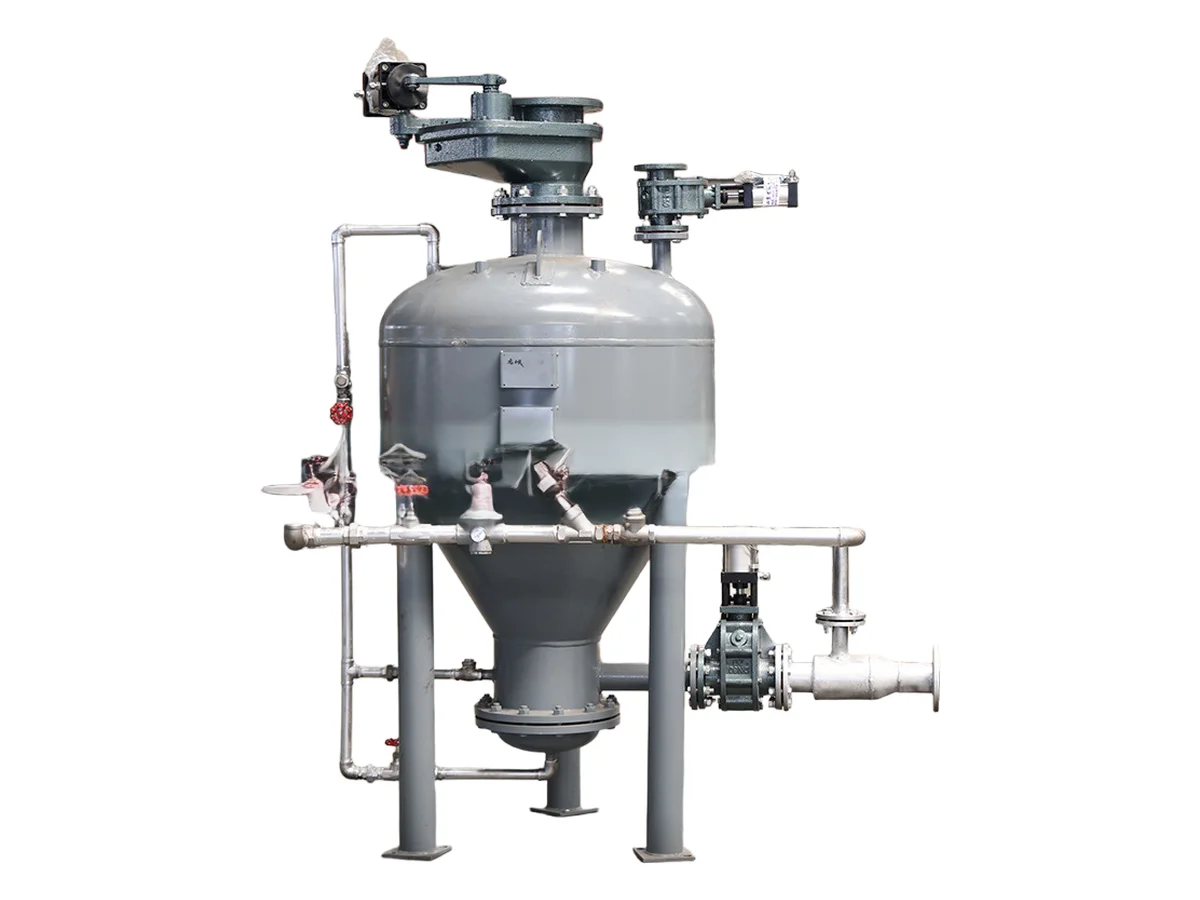
Short in-plant moves work well on vacuum conveying. Where material has to travel far, or the powder is abrasive, dense-phase transfer moves it at low velocity with less pipe wear and less particle breakage than dilute phase.
Dosing and packing
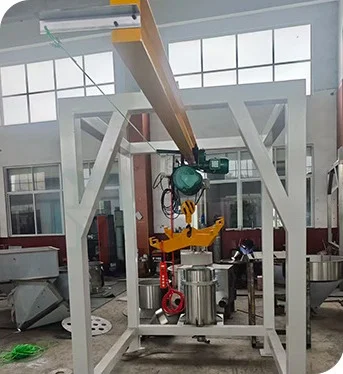
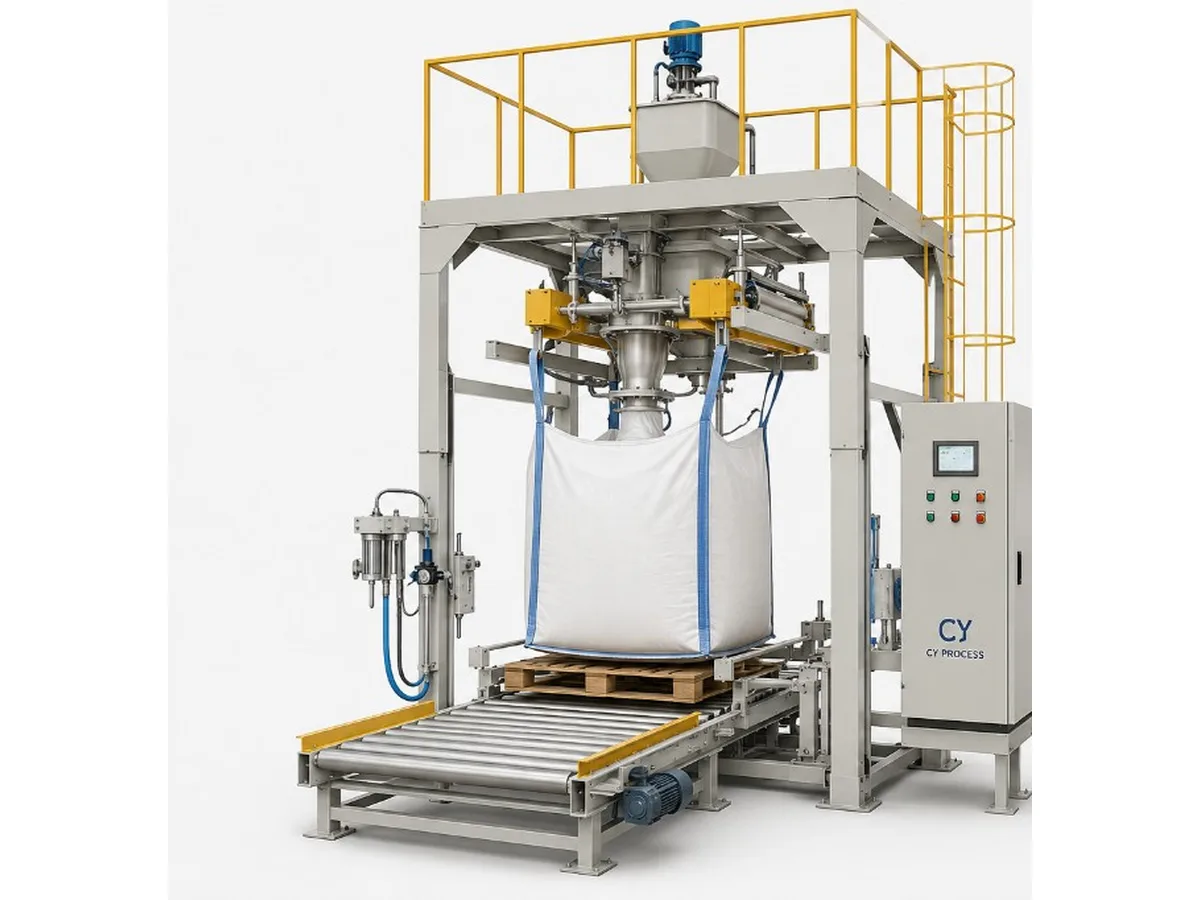
Weigh hoppers and loss-in-weight feeders deliver set weights into mixers and process vessels, and closed FIBC packing keeps the finished powder inside the system. Layout drawings, utility lists and spare-parts lists are issued with the order for commissioning.
Screening and de-ironing
Screens and de-ironing magnets are usually placed immediately after intake and again before packing, so oversize agglomerates and tramp metal are removed at both ends of the route. Magnetic elements are mounted for quick inspection without dismantling the line.
Cleanability between campaigns
Conveying lines are arranged so each branch can be emptied and, where required, purged before the next product. Receivers, filters and hoppers have accessible internals, which keeps changeover time predictable when several cathode or anode grades share the same equipment.
Typical challenges
How CYprocess helps
Discuss a battery project
Share material, capacity and layout — we reply with a practical proposal.