Solution
Battery Material Handling
Battery material lines demand enclosed transfer, metal-contamination awareness and accurate weigh feeding from FIBC or process vessels into mixers, coaters and packers.
What the system covers
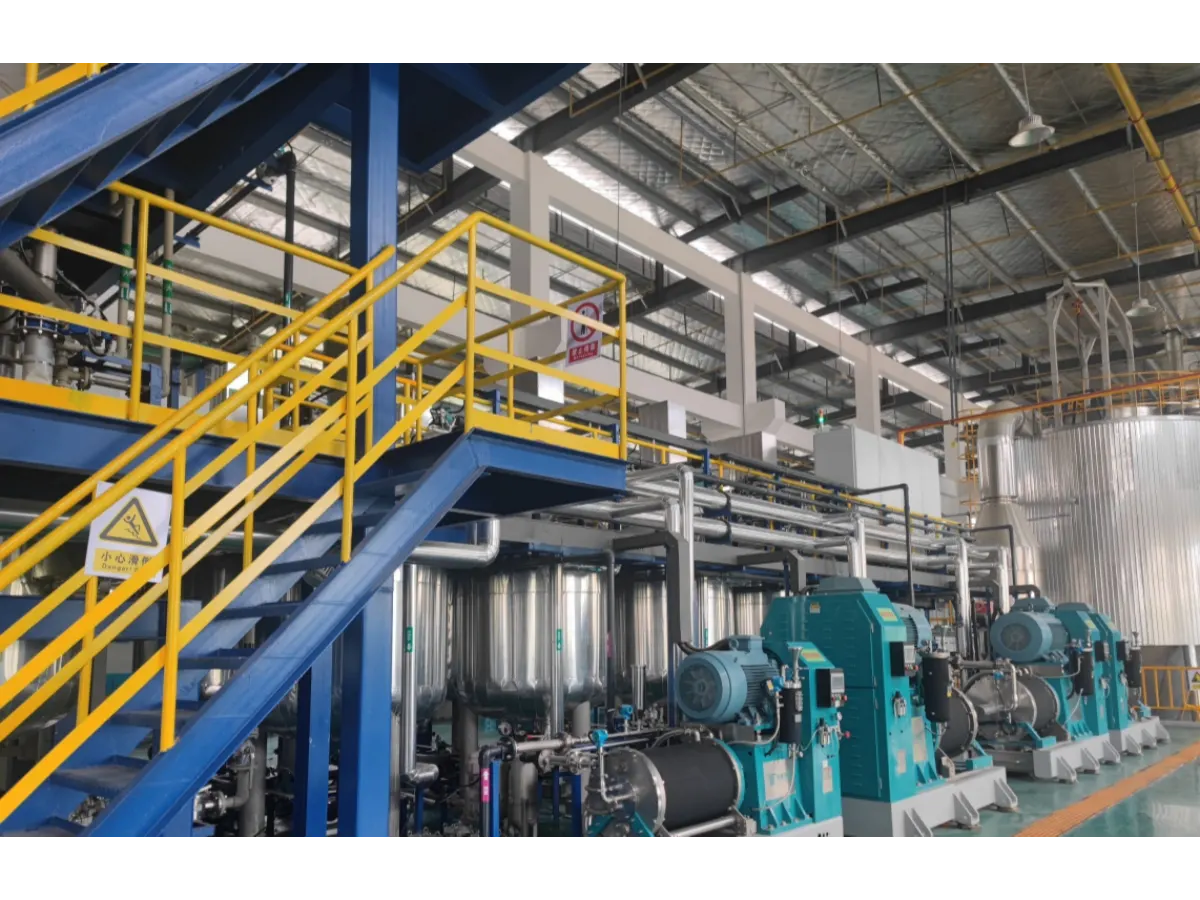
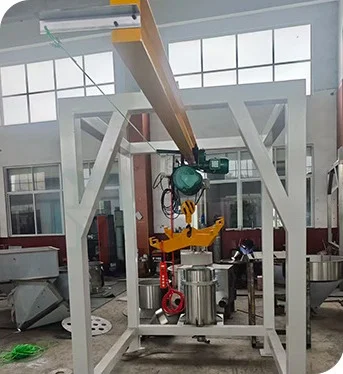
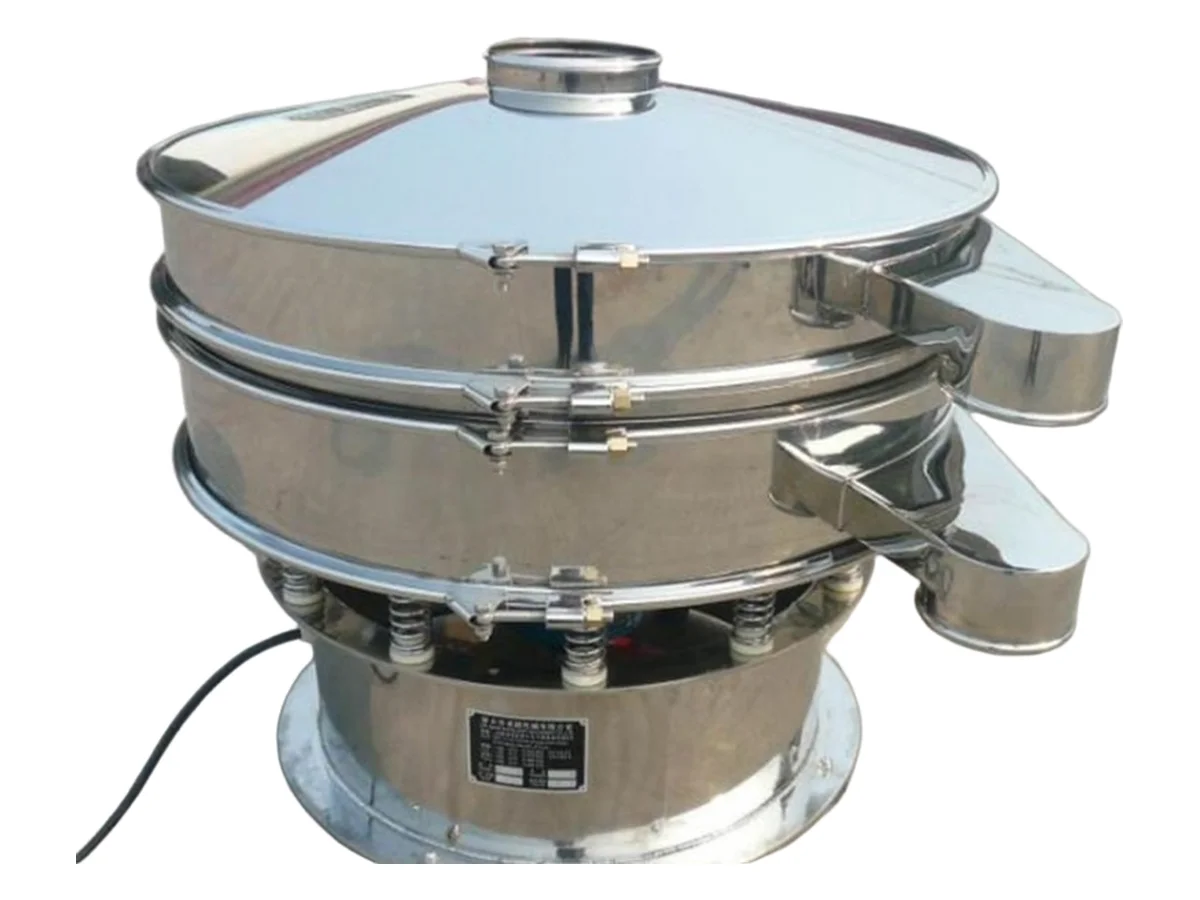
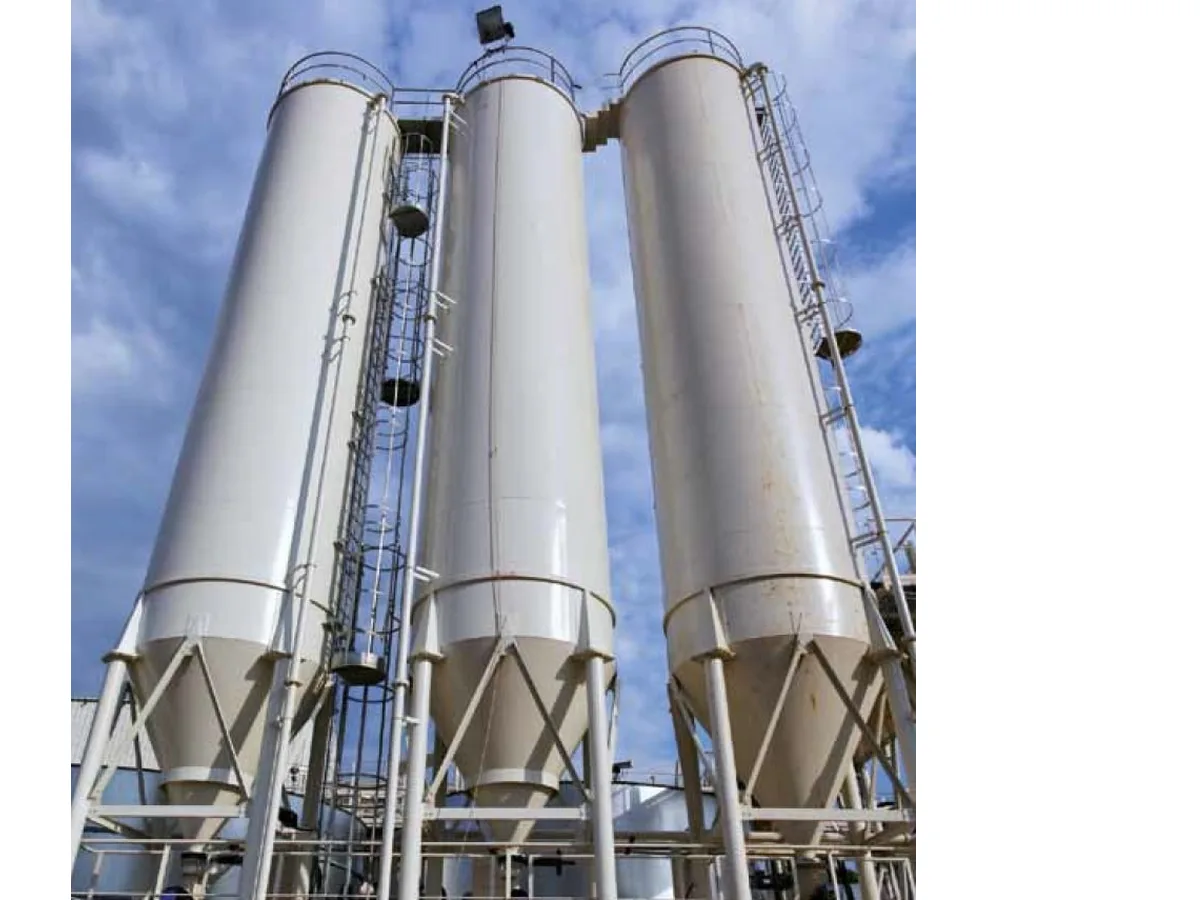
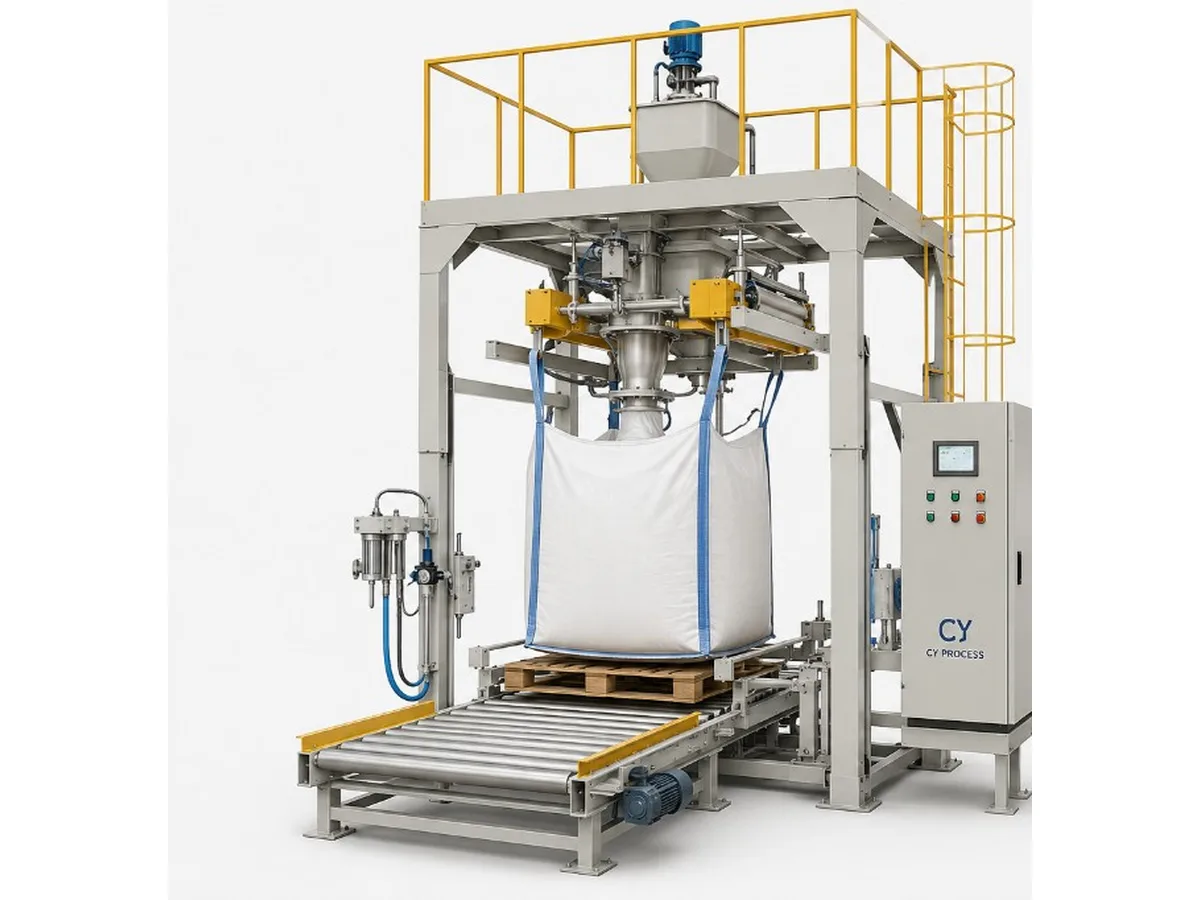
A closed chain from FIBC or vessel intake through screening, conveying, storage, weighing and packing. The aim is to keep fine cathode and anode powders inside the equipment and to keep metal contamination out of the product.
Low-velocity transfer
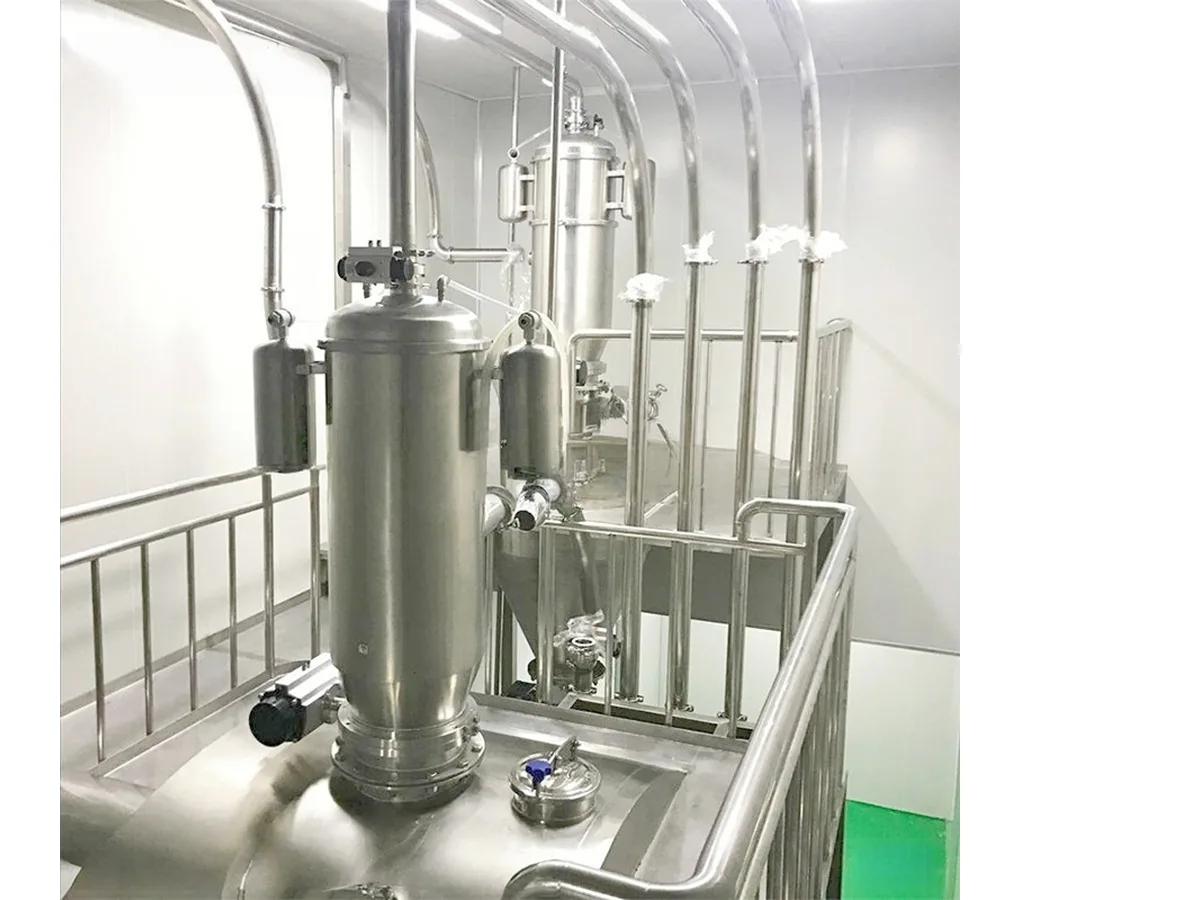
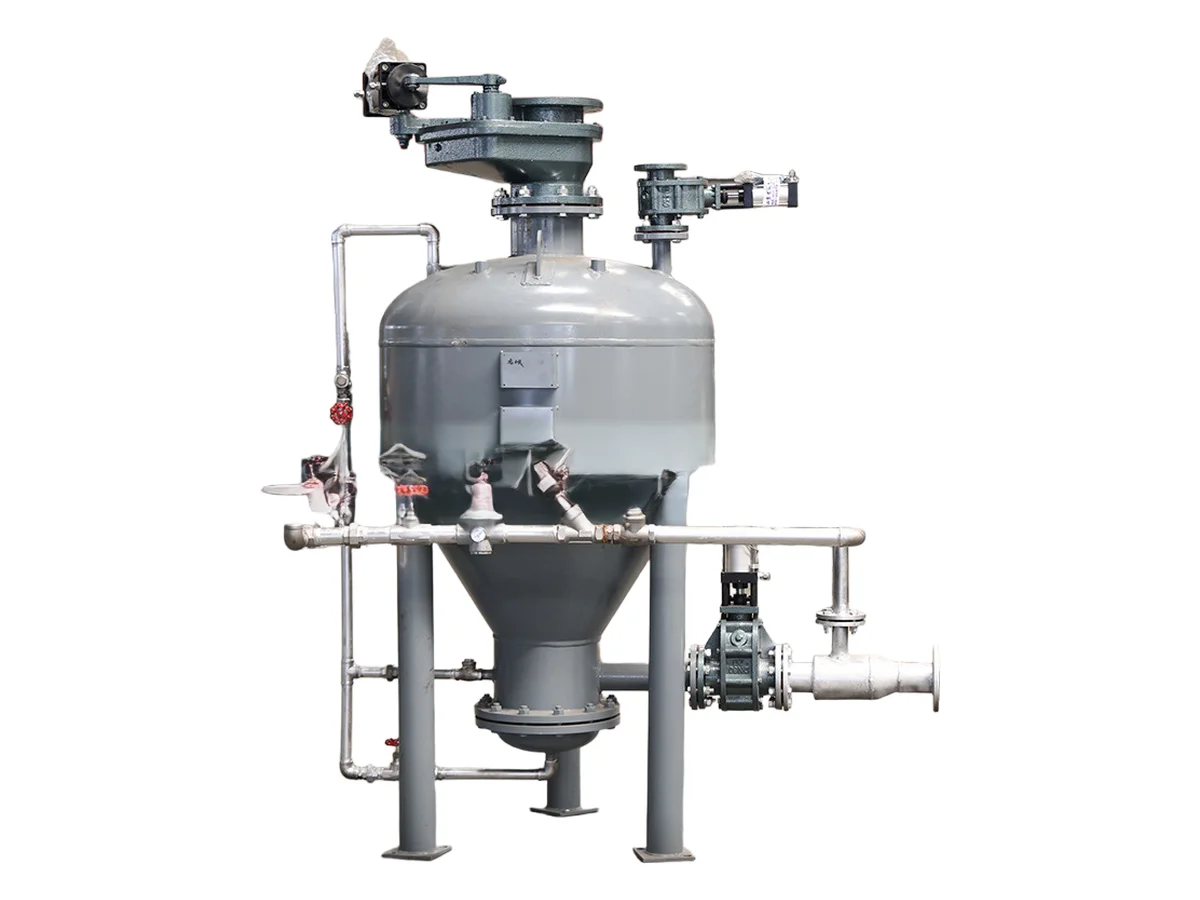
Long or abrasive routes use dense-phase transfer rather than dilute phase, which reduces pipe wear and particle breakage. Short in-plant moves are normally handled by vacuum conveying, with receivers positioned close to the point of use.
Documentation and support
Orders ship with layout drawings, utility requirements, spare-parts lists and commissioning support. De-ironing, screening and sealed packing are included where the specification requires them.
Typical challenges
What we deliver
Process flow
Typical applications
Discuss your Battery Material Handling project
Share your material, capacity and layout - our engineers reply with a practical proposal.