Material Intake
Big Bag Unloader
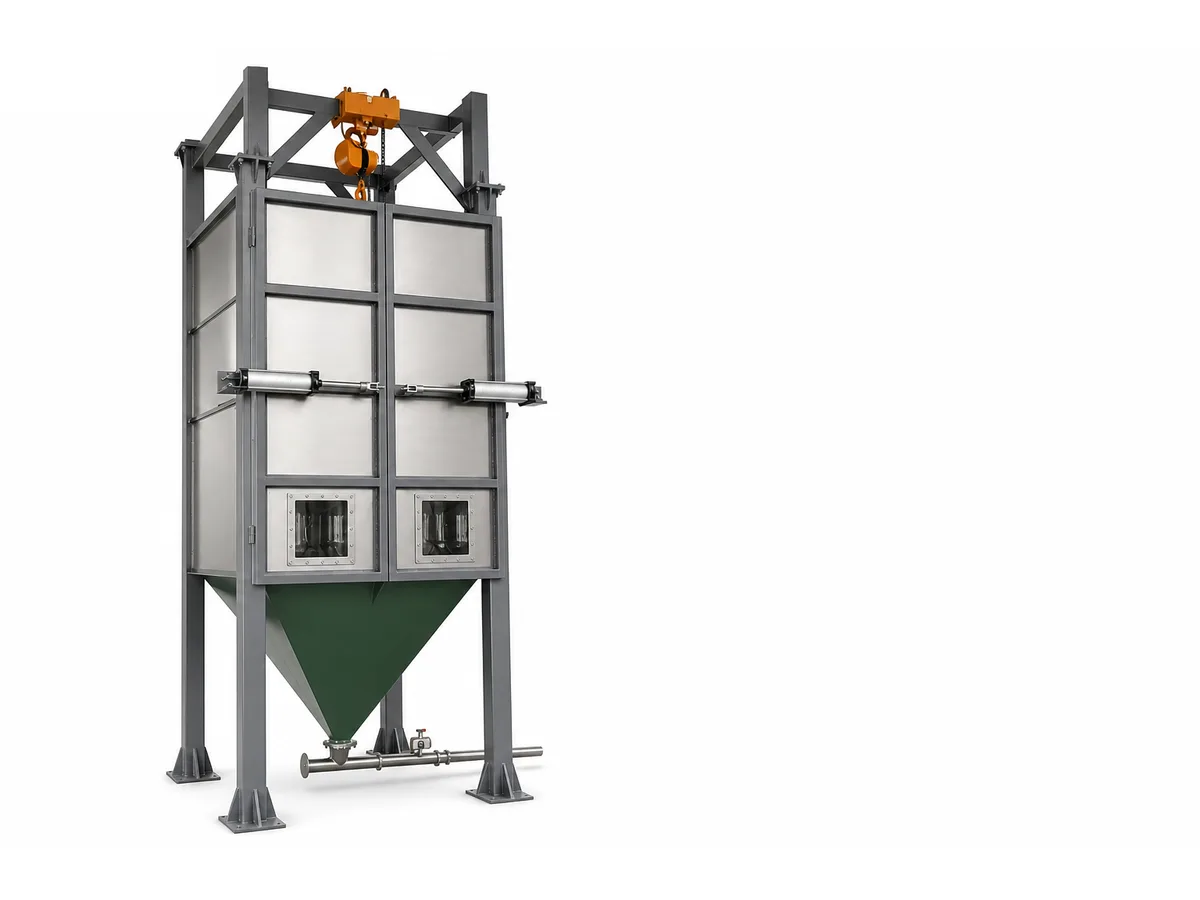
CYprocess big bag unloaders — also called FIBC discharge stations or ton-bag emptying stations — lift bulk bags onto the frame by electric hoist and empty them into a buffer hopper through a dust-tight spout clamp. Discharge is started and stopped from a wired remote control, at about 6-12 bags per hour.
Shanghai-built. Drawings come with the quotation, and material certificates are available on request. Factory and documents
1 / 7
Overview
About Big Bag Unloader
How this equipment works in powder handling lines and what to consider when selecting it.
Working principle
The hoist lifts the FIBC onto the unloading frame and the operator ties the spout into the clamp — an air-bladder seal or a double-layer clamp. Once sealed, the bag outlet is opened and product falls by gravity into the transition hopper. Discharge is controlled from a wired remote, so the operator stays clear of the dust zone.
Options and integration
Pneumatic massage plates squeeze the bag walls when powders such as resins and food additives bridge. Frame components, hopper volume and hoist load are sized to the bag type and to available headroom, and the outlet can be flanged to a screw, rotary valve or vacuum pick-up. Local extraction or a vent filter keeps the discharge zone dust-free, and an optional weigh hopper doses a set weight before release.
Where it fits in the process
Features
Key Features
Design points that make the Big Bag Unloader practical for industrial powder plants.
Specifications
Typical Specifications
Final sizing depends on material properties, capacity and plant layout. Request a project review for a tailored proposal.
Model range
| Model | Material | Power (kW) | Dust extraction | Frame L×W×H (mm) |
|---|---|---|---|---|
| CY-BU-1 | SS304 | Manual | None | 1600 × 1600 × 1480 |
| CY-BU-2 | Carbon steel / SS304 | 3 | Vent filter | 1800 × 1800 × 4800 |
| CY-BU-3 | Carbon steel / SS304 | 5 | Vent filter | 2000 × 2000 × 6000 |
Frame, hopper volume and hoist load are sized to the bag type and available headroom. CY-BU-2 and CY-BU-3 add an integral vent filter and wired remote discharge control.
General specifications
| Models | DBU-1 / DBU-2 / DBU-3 / DBU-4 (custom frames available) |
|---|---|
| Bag type | FIBC / ton bag, about 0.1 - 2 t per bag |
| Typical rate | About 6 - 12 bags/h |
| Hoist | Electric chain or wire-rope; lift and SWL project sized |
| Dust extraction | Without (DBU-1/2) / with (DBU-3/4), or central collector |
| Construction | Carbon steel / SS304 product contact |
| Downstream | Screw, rotary valve, butterfly or gate valve, vacuum pick-up |
| Options | Massage paddles, weigh hopper, dust collector, HMI. An ATEX-rated hoist can be specified when you state the hazardous-area classification. |
| Published frames | CY-BU-1: manual, no extraction, 1600 × 1600 × 1480 mm. CY-BU-2: 3 kW, vent filter, 1800 × 1800 × 4800 mm. CY-BU-3: 5 kW, vent filter, 2000 × 2000 × 6000 mm. |
| Headroom | The tallest listed frame is 6000 mm. A lower building needs a custom frame. Measure clear height before selecting CY-BU-2 or CY-BU-3. |
| How the bag rate should be read | About 6 - 12 bags/h assumes a flowing product and a normal bag change. Bridging, a slow hoist or a heavy liner reduces the number of bags per hour. |
Materials
Suitable Materials
Powder and granule categories typically specified with a big bag unloader. Suitability is confirmed per project from bulk density, particle size, moisture and process conditions.
Plastic resins & compounds
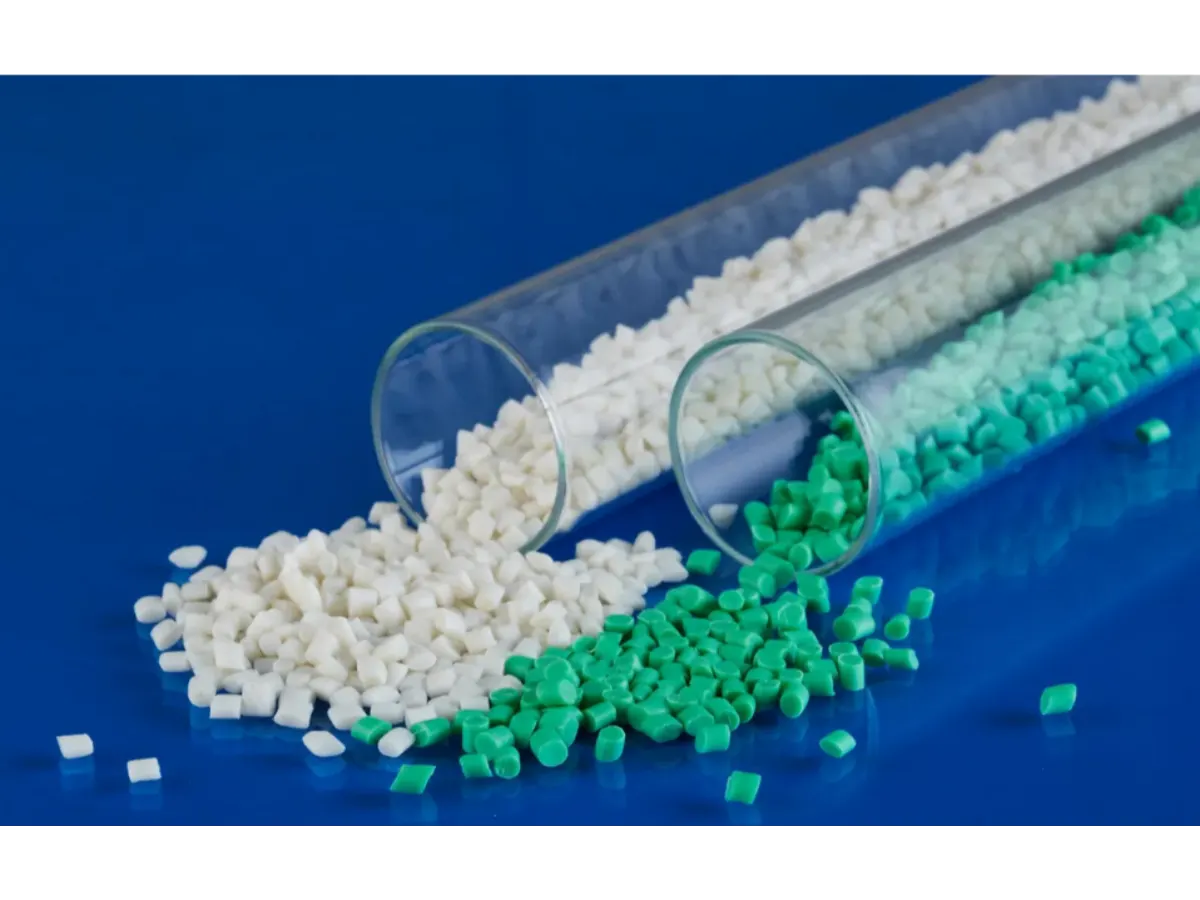
PE, PP, PVC, masterbatch, rubber compound
Food powders
flour, starch, sugar, milk powder, additives
Chemical powders
pigments, resins, petrochemical additives
Pharmaceutical solids
API, excipients, granulates
Minerals & building materials
cement, quartz, limestone, fillers
Not sure whether your material will convey? Send us a sample description and we will confirm before quotation.
Industries
Industries Served
Sectors where big bag unloader units are specified today.
Project experience
Where this equipment is running
Selected projects that include big bag unloader.
Applications
Process Applications
Process points where this equipment is typically installed, from bulk intake through to packing.
Downloads
Catalogs & Datasheets
Technical documents related to this product and our powder handling range.
FAQ
Big Bag Unloader FAQ
Common questions about selection, integration and quotation.
Typical rates are about 6-12 bags per hour. Actual output depends on bag size, how freely the product flows, hoist travel and how quickly the operator positions the next bag. Higher rates are available on engineered builds.
Knowledge
Related Blogs
Articles that help with selection, layout and system design.
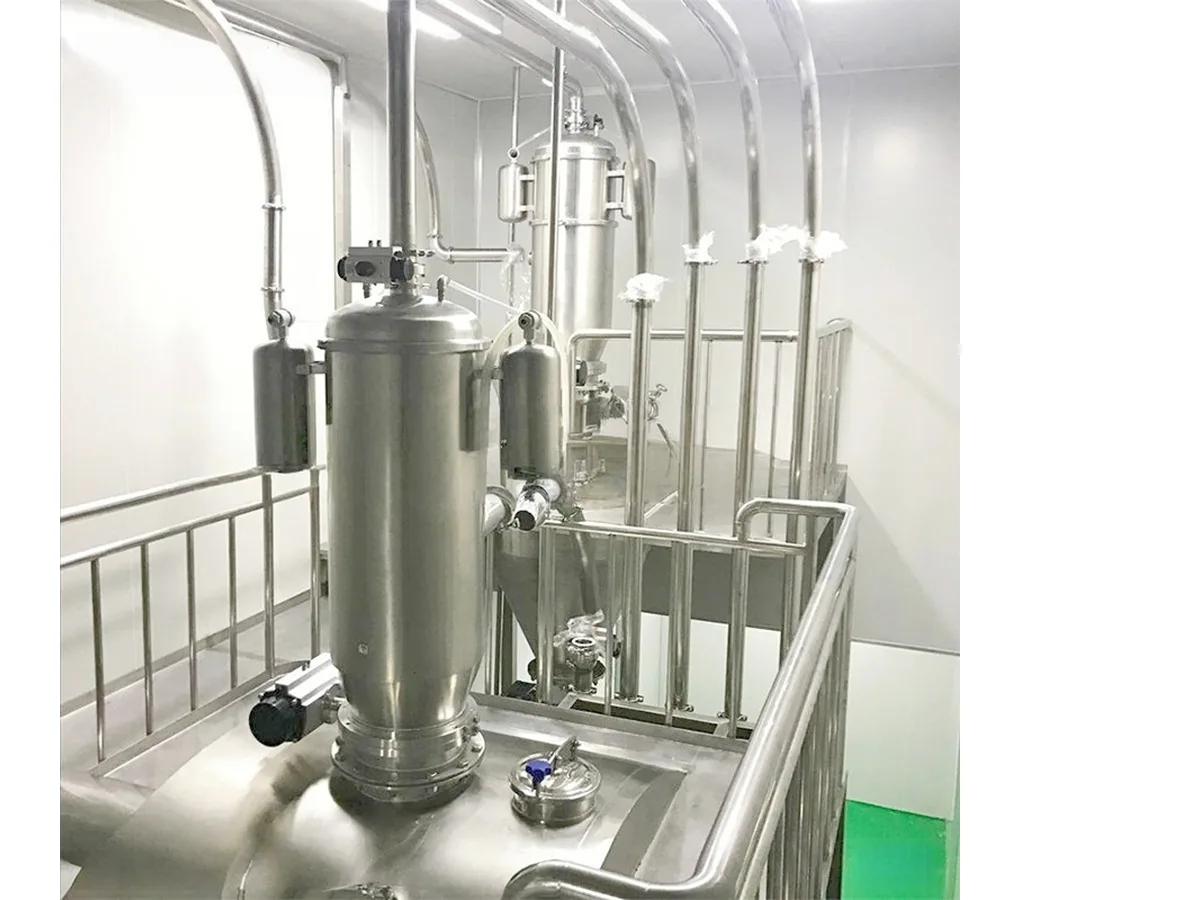
Vacuum Conveying
How Vacuum Conveyors Work
Learn how vacuum conveying systems transfer powders dust-free — from pickup to discharge — and how to specify the right system for your plant.
Read articleBulk Material Handling
Big Bag Unloading Best Practices for Powder Plants
Design tips for reliable, dust-free FIBC discharge and downstream powder transfer.
Read articleSystem partners
Related Products
Equipment commonly paired with Big Bag Unloader in complete powder handling lines.
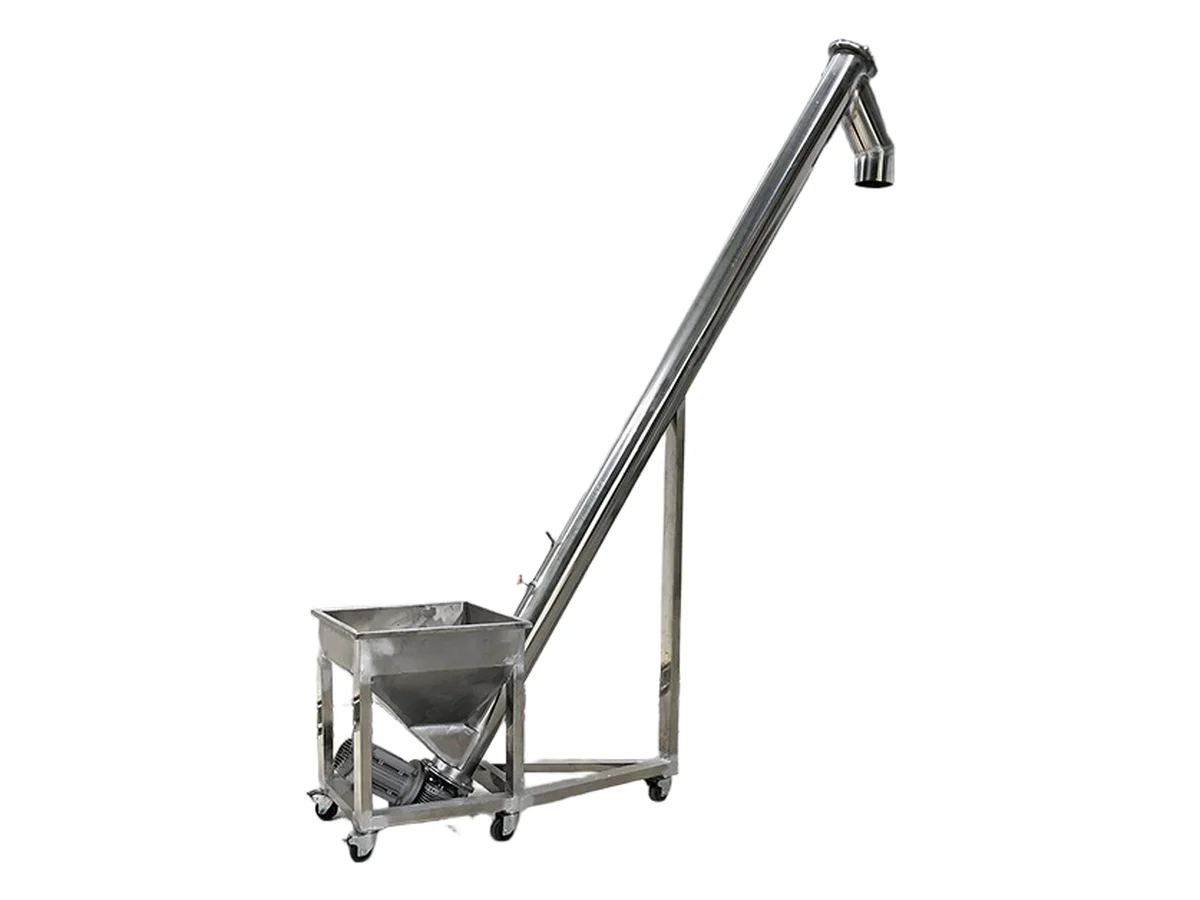
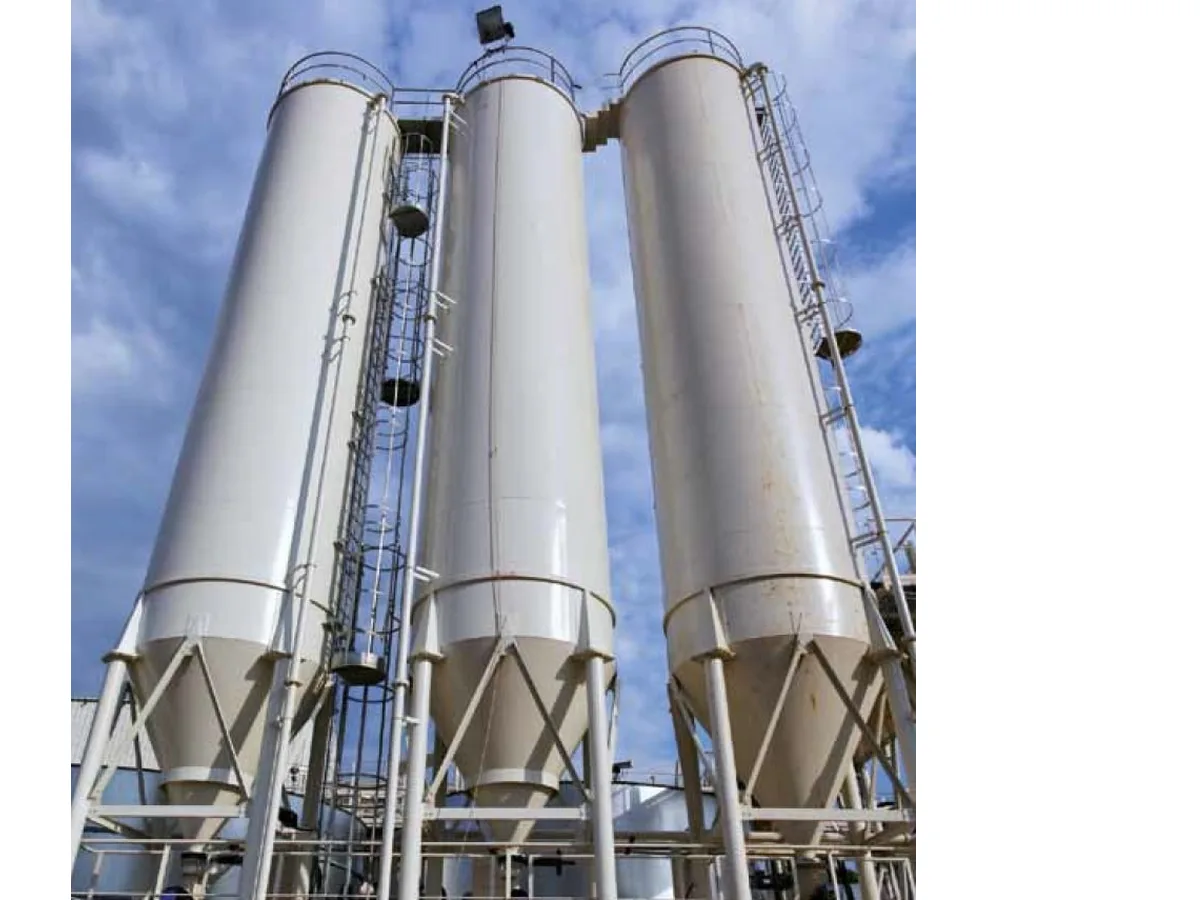
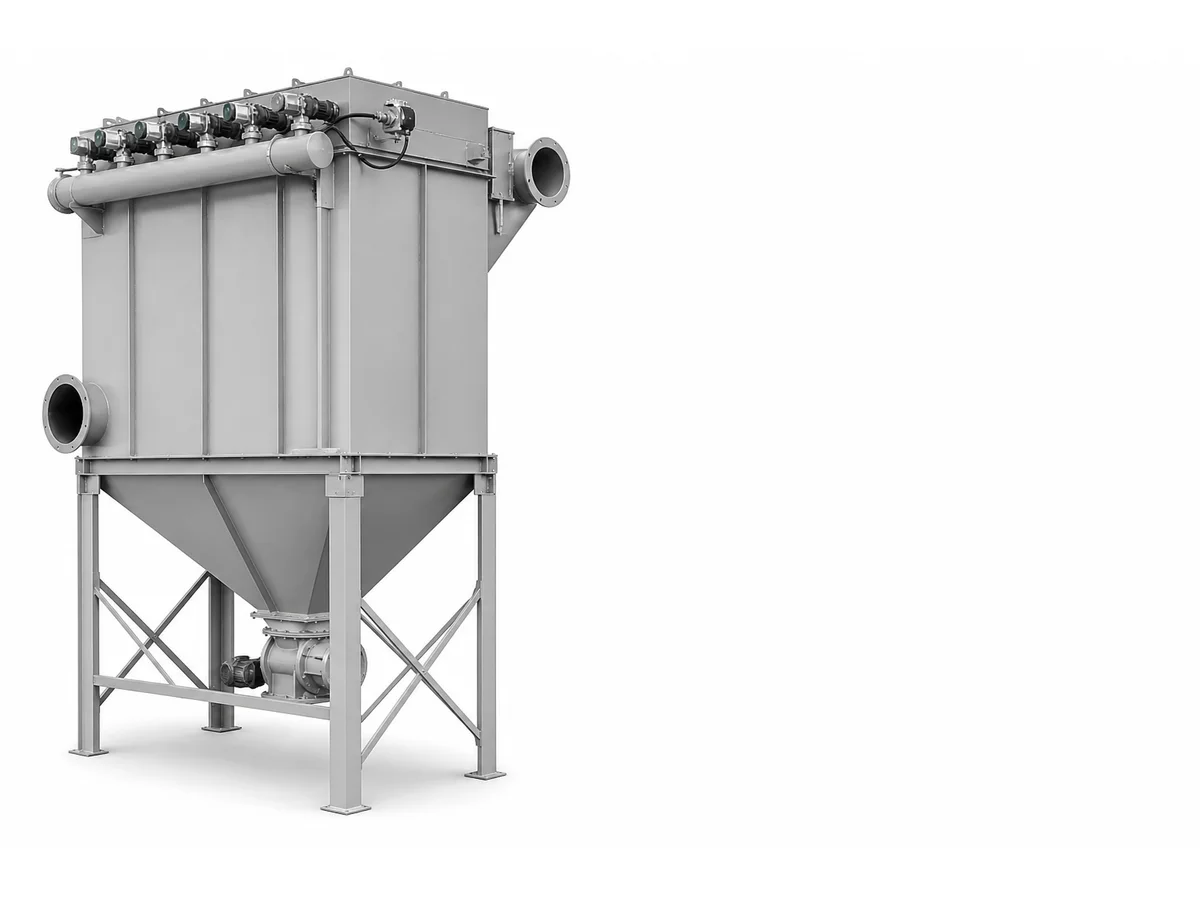
Engineering support
Enquire about Big Bag Unloader
Share your material, capacity and plant layout. Our engineers will confirm sizing and send a tailored proposal.