
Conveying
Dense Phase Pneumatic Conveying
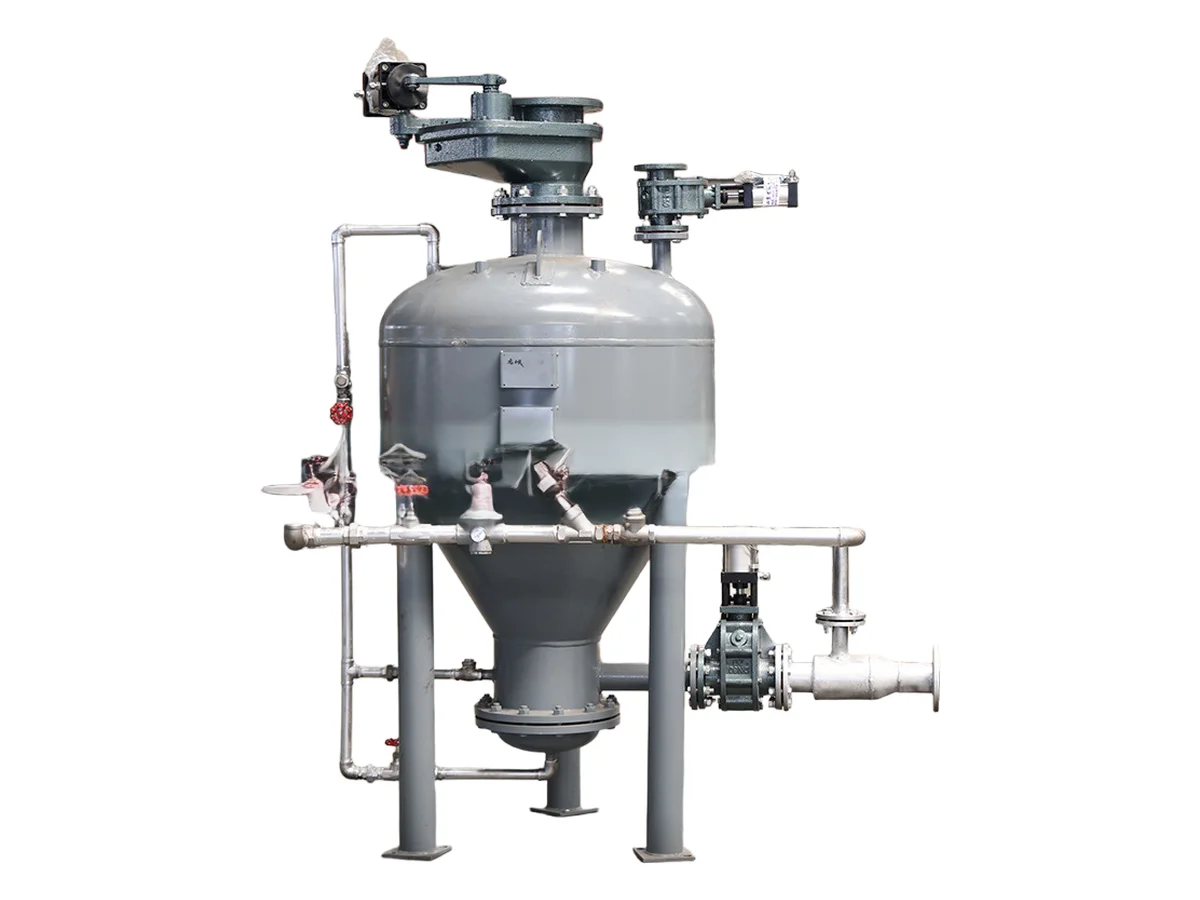
CYprocess dense-phase conveying systems — also called blow-tank systems or plug-flow conveyors — move bulk solids at high solids-to-air ratio and low velocity. The result is less pipe wear, less product degradation and lower air consumption than dilute phase, over long distances.
Shanghai-built. Drawings come with the quotation, and material certificates are available on request. Factory and documents
1 / 4
Overview
About Dense Phase Pneumatic Conveying
How this equipment works in powder handling lines and what to consider when selecting it.
Working principle
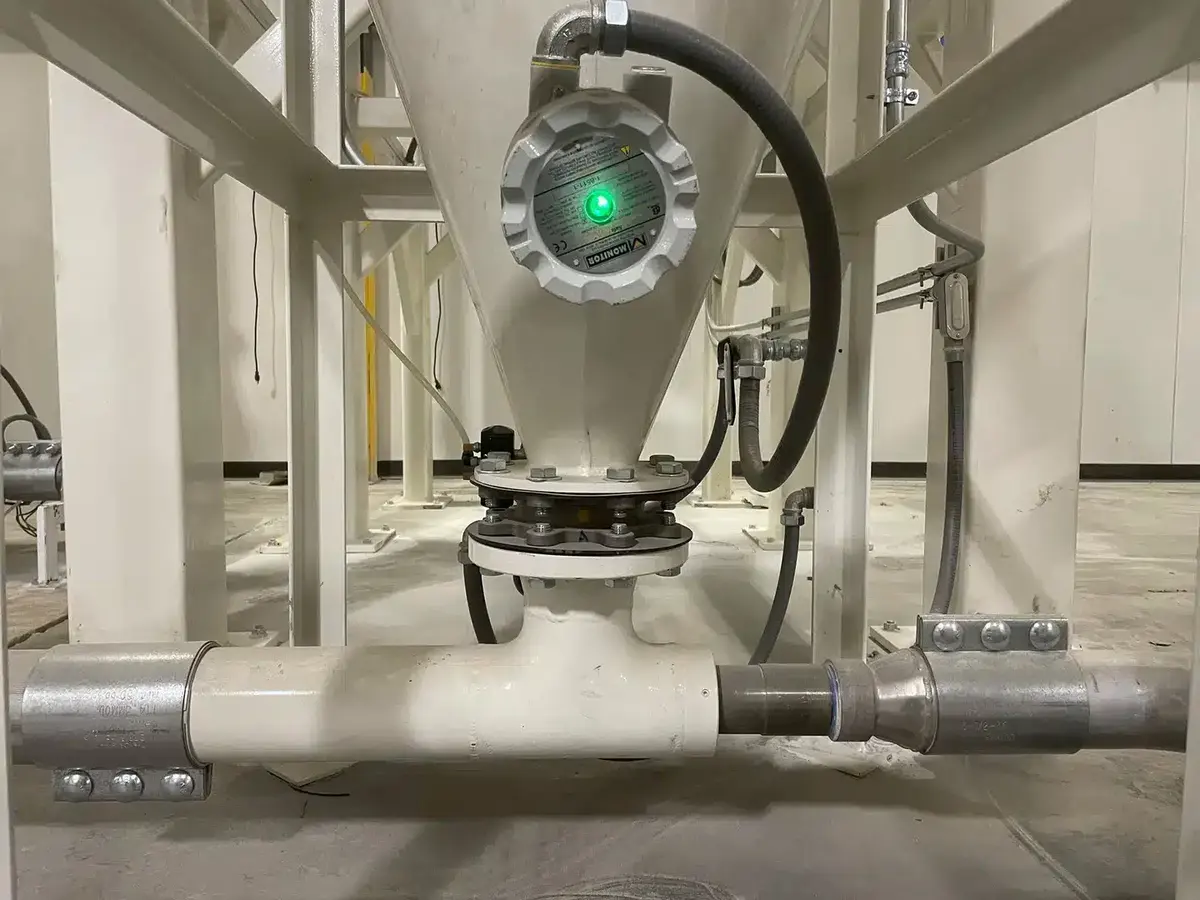
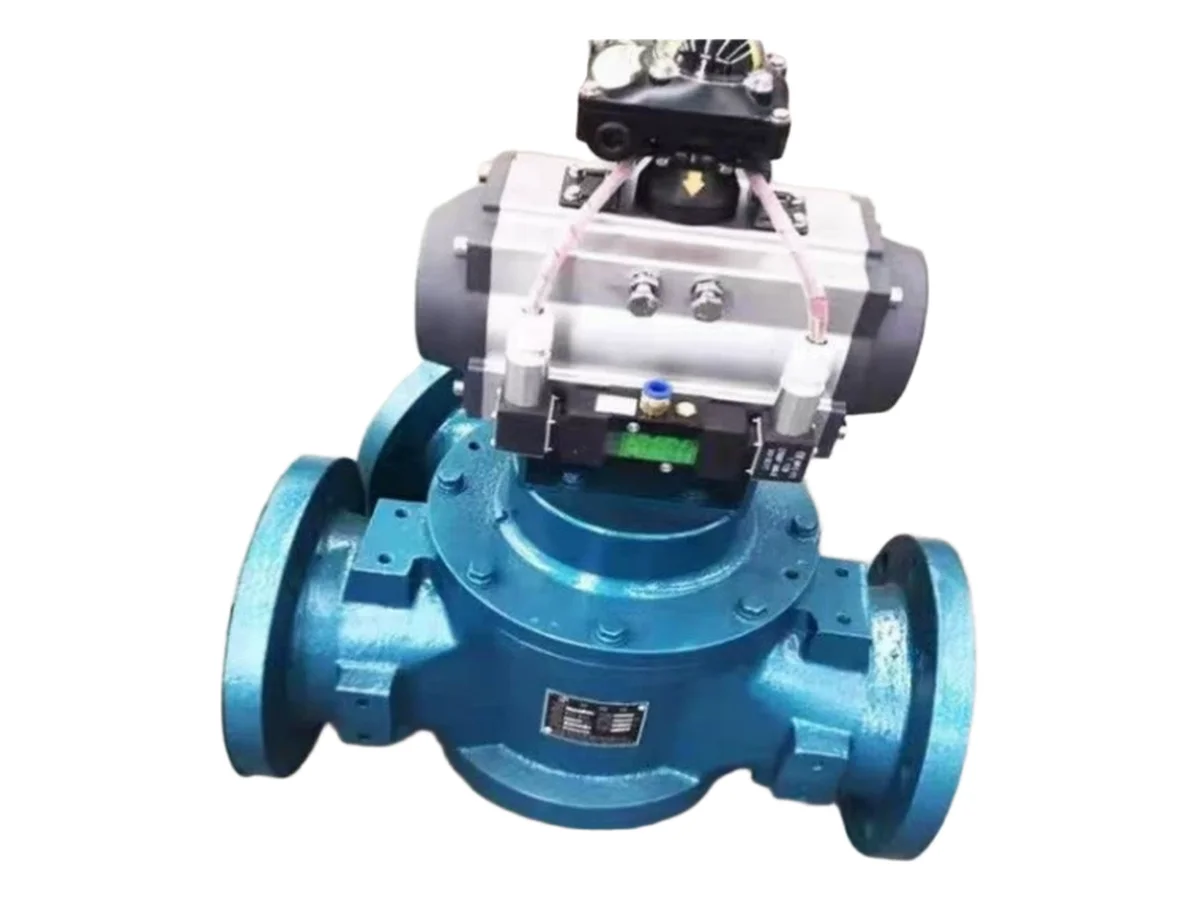
Product is charged into a pressure vessel, then fluidised and discharged as plug or dune flow under compressed air. The inlet seals, often with a dome or spherical valve that closes through the product bed, and air then pressurises the vessel and pushes the batch into the line. Multiple transmitters can run in sequence for continuous plant feed.
Fill options and selection
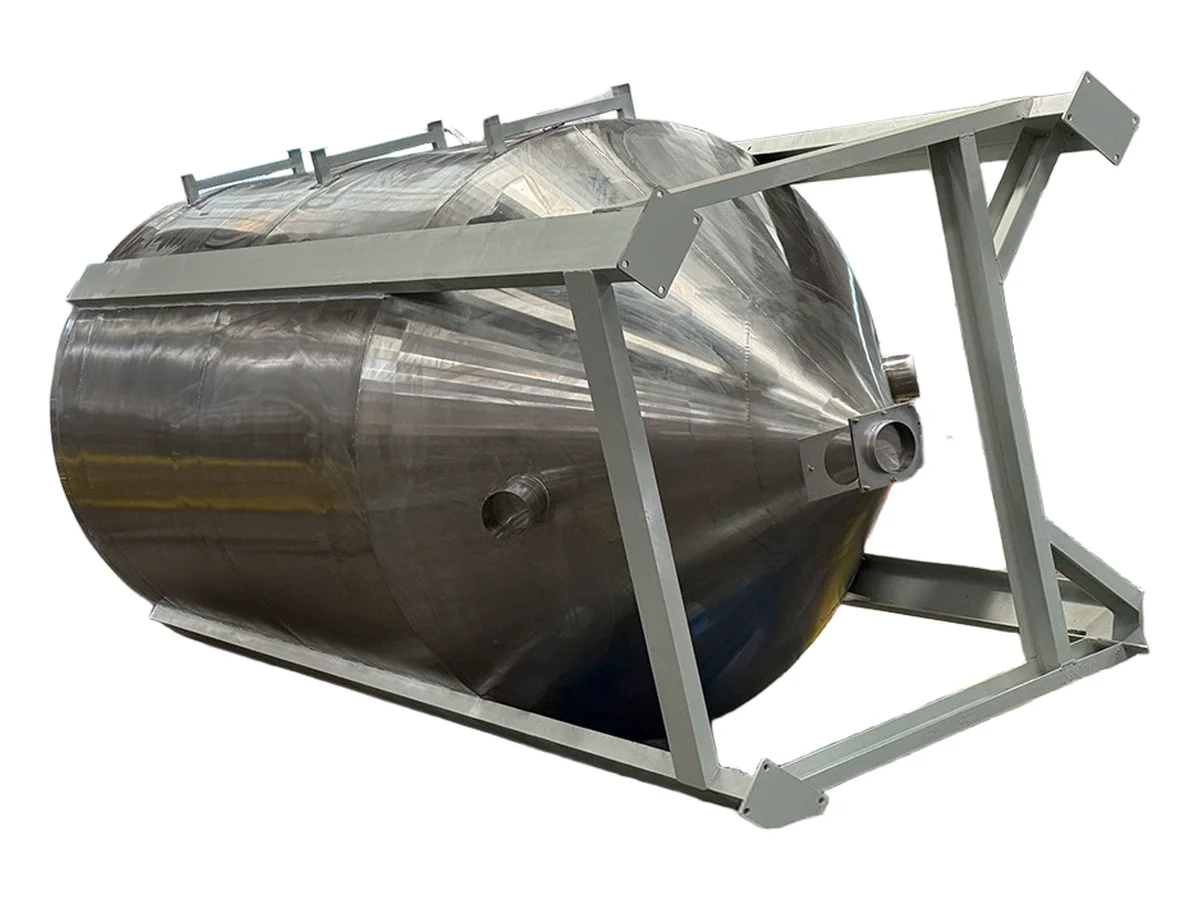
Gravity-fill vessels suit fragile or highly abrasive products because they allow very high solids loading at very low velocity. Vacuum-assisted fill supports fine powders and can reduce pipe size and air use, while medium-pressure designs sit between the two. Combined mix-and-convey vessels blend product before transfer.
Where it fits in the process
Features
Key Features
Design points that make the Dense Phase Pneumatic Conveying practical for industrial powder plants.
Specifications
Typical Specifications
Final sizing depends on material properties, capacity and plant layout. Request a project review for a tailored proposal.
| Conveying mode | Positive-pressure dense phase (blow tank) |
|---|---|
| Air pressure | About 2 - 6 bar operating; vessel rated per project |
| Solids loading | High solids-to-air ratio, medium to very high by duty |
| Velocity | Low-velocity plug / dune flow |
| Fill method | Gravity fill or vacuum-assisted fill |
| Vessel volume | About 0.35 - 9 m³ and above (custom sizes) |
| Line size | About DN50 - DN175, layout dependent |
| Distance | Short runs to about 500 - 1500 m and beyond (material tested) |
Materials
Suitable Materials
Powder and granule categories typically specified with a dense phase pneumatic conveying. Suitability is confirmed per project from bulk density, particle size, moisture and process conditions.
Minerals & calcines
spodumene calcine, limestone, quartz, sand
Ash & by-products
fly ash, coke fines, sludge ash
Chemical powders
TiO2, PVC / CPVC, resins, lithium salts, lime
Food ingredients
sugar, salt, grains, nuts
Foundry & metal powders
foundry sand, metal oxides, alumina
Fragile granules
break-sensitive pellets and agglomerates
Not sure whether your material will convey? Send us a sample description and we will confirm before quotation.
Industries
Industries Served
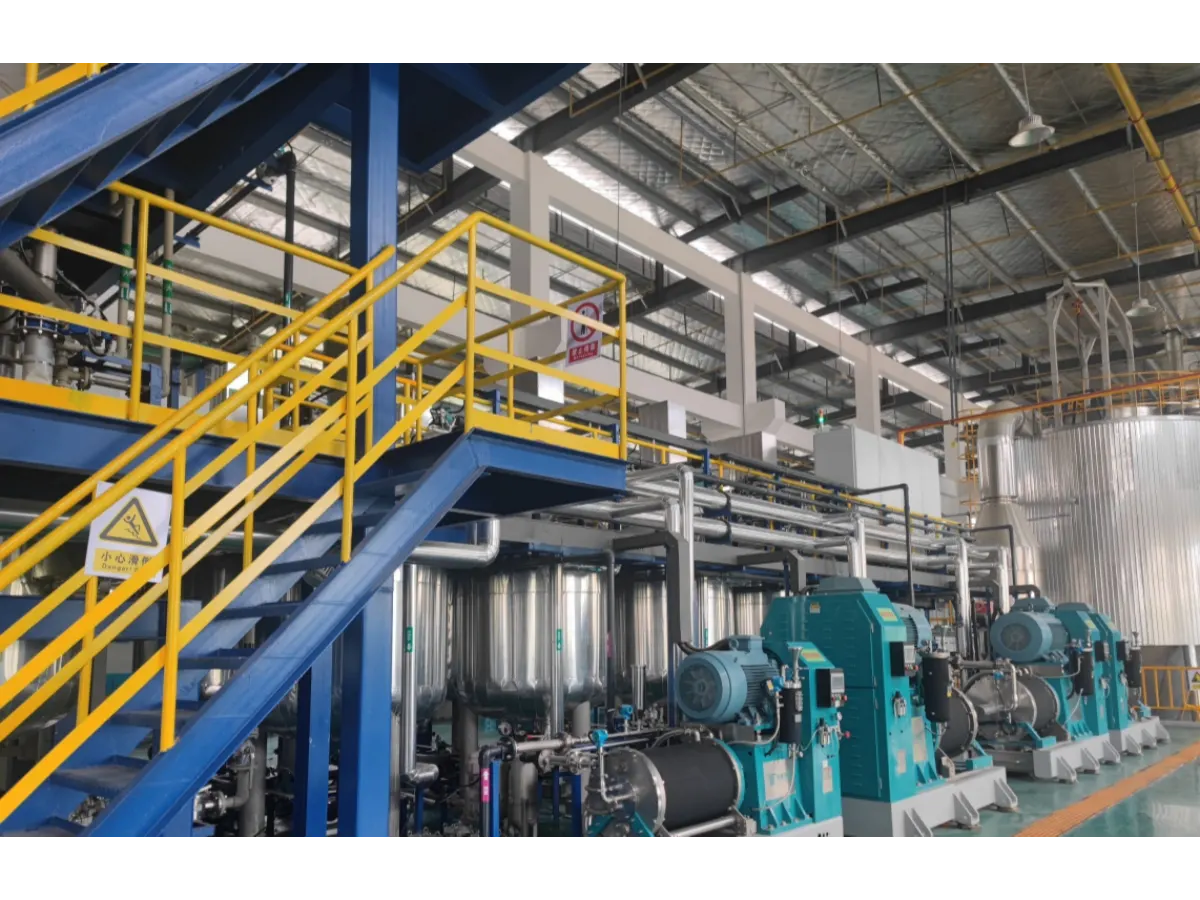
Sectors where dense phase pneumatic conveying units are specified today.
Project experience
Where this equipment is running
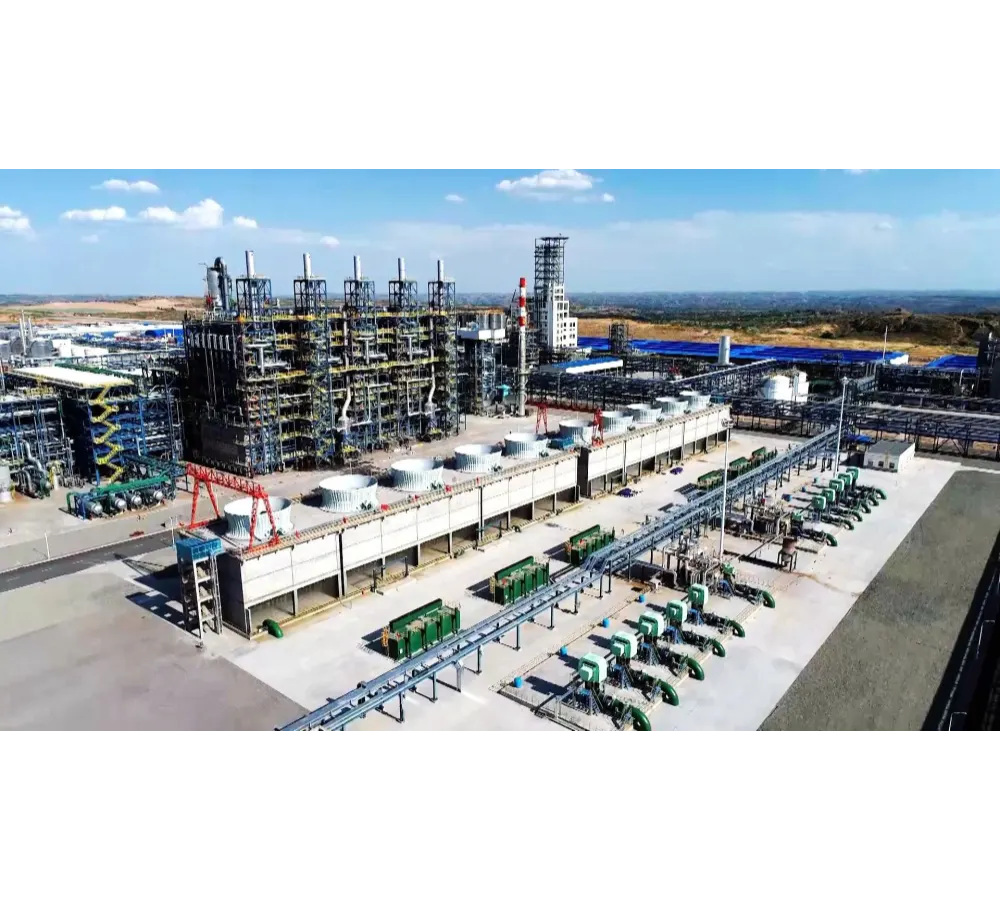
Selected projects that include dense phase pneumatic conveying.
Applications
Process Applications
Process points where this equipment is typically installed, from bulk intake through to packing.
Downloads
Catalogs & Datasheets
Technical documents related to this product and our powder handling range.
FAQ
Dense Phase Pneumatic Conveying FAQ
Common questions about selection, integration and quotation.
When the product is abrasive or fragile, when the route is long, or when the available air supply is limited. Low velocity and high solids loading reduce wear, breakage and air consumption, though the vessel and control system are more complex than a dilute-phase line.
Knowledge
Related Blogs
Articles that help with selection, layout and system design.
Vacuum Conveying
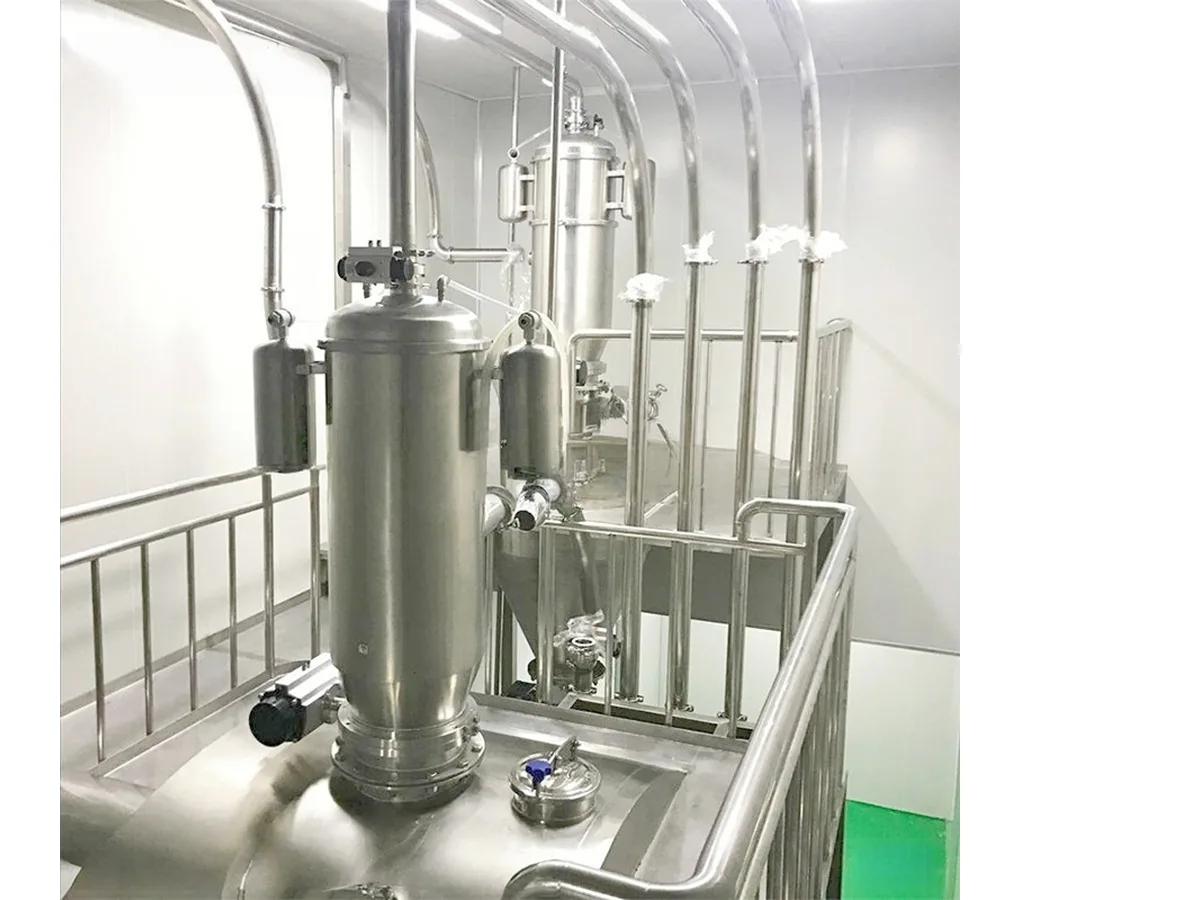
How Vacuum Conveyors Work
Learn how vacuum conveying systems transfer powders dust-free — from pickup to discharge — and how to specify the right system for your plant.
Read article
Food Industry
Powder Conveying Solutions for Food Industry
Explore hygienic powder conveying solutions for food processing applications.
Read article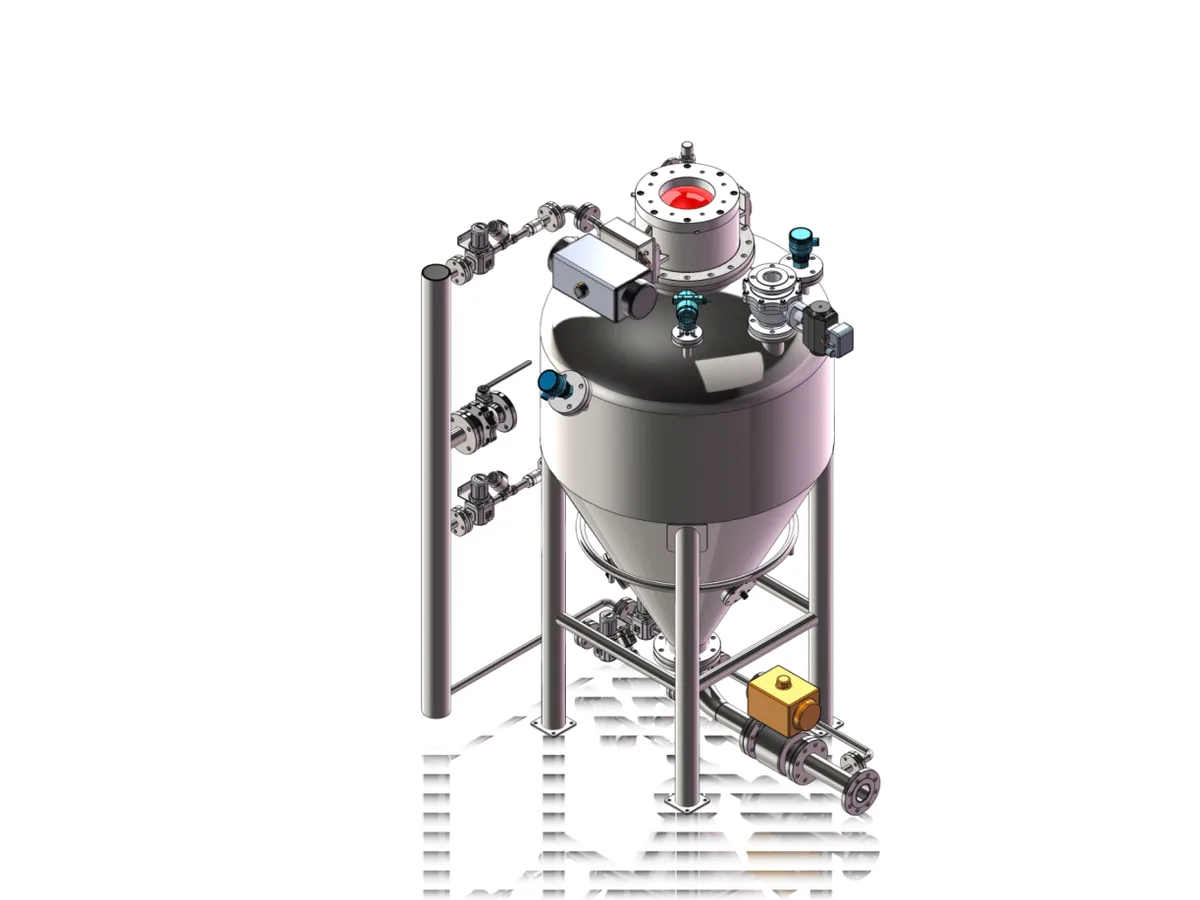
Pneumatic Conveying
Dense Phase vs Dilute Phase Pneumatic Conveying
Understand the differences between dense phase and dilute phase conveying systems.
Read articleSystem partners
Related Products
Equipment commonly paired with Dense Phase Pneumatic Conveying in complete powder handling lines.
Engineering support
Enquire about Dense Phase Pneumatic Conveying
Share your material, capacity and plant layout. Our engineers will confirm sizing and send a tailored proposal.