
Storage & Dust
Dust Collector
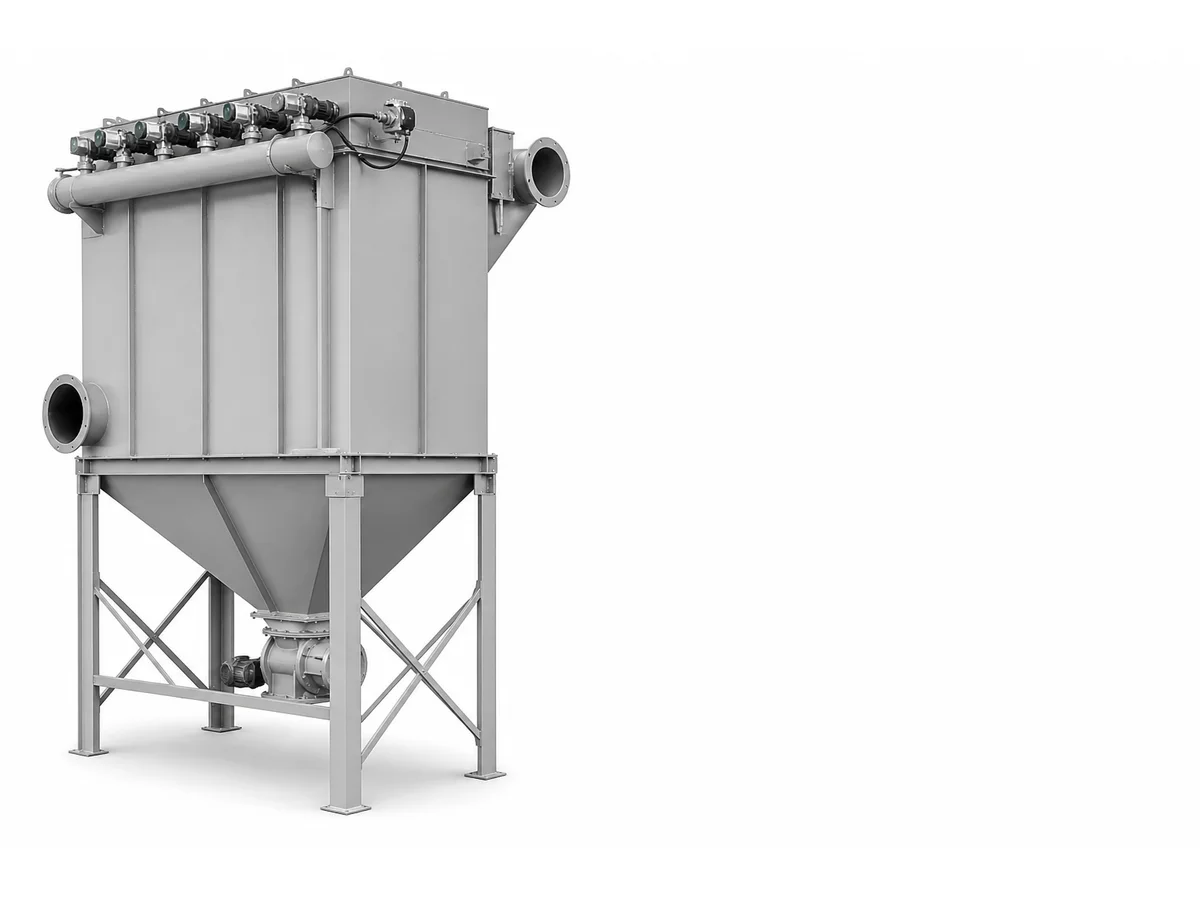
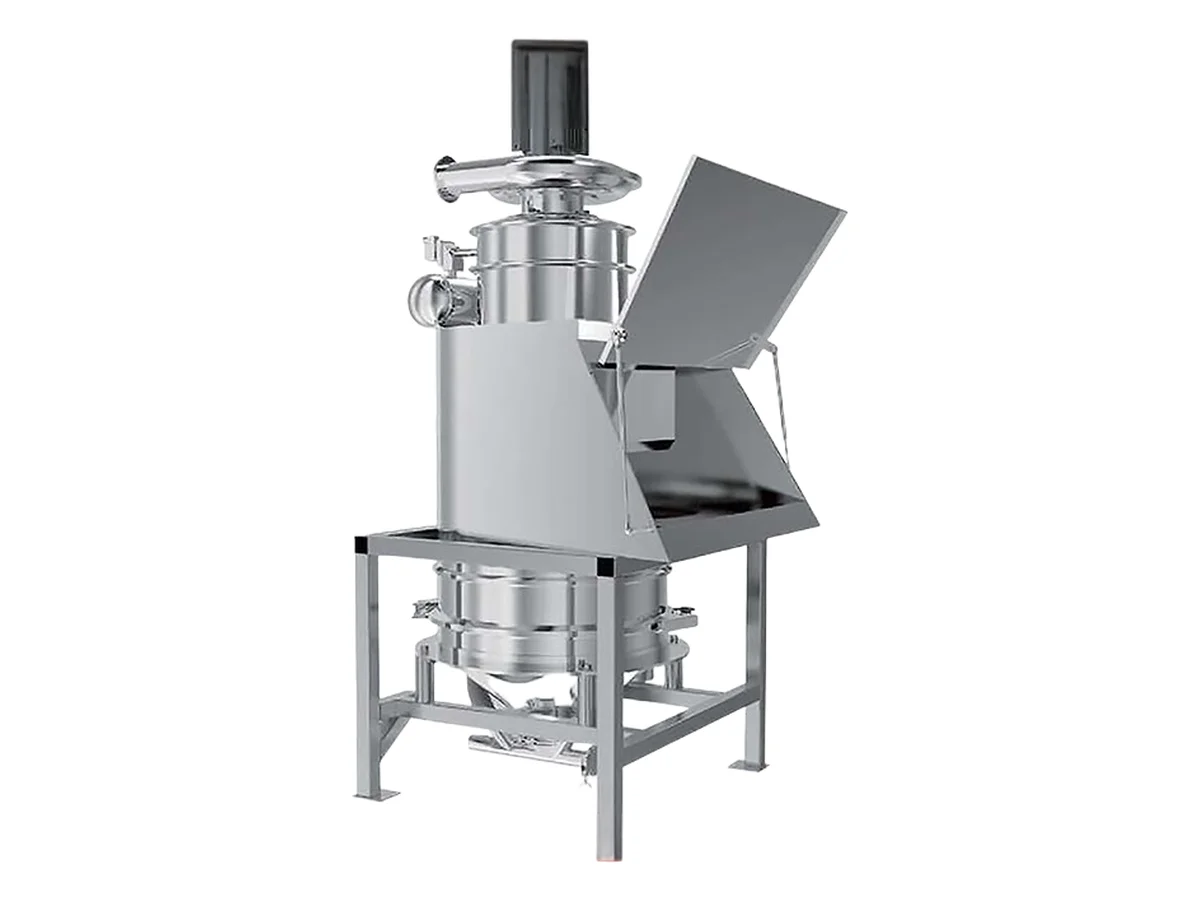
CYprocess dust collectors — also called bag filters or dust extraction units — capture airborne powder at process points and in central duct systems. The range covers pulse-jet bag filters, compact single-machine units, rotary reverse-blow flat-bag and air-box filters, and cyclones.
Shanghai-built. Drawings come with the quotation, and material certificates are available on request. Factory and documents
1 / 4
Overview
About Dust Collector
How this equipment works in powder handling lines and what to consider when selecting it.
Series overview
Pulse-jet bag filters handle general plant extraction. Compact single-machine units serve a local point such as a mixer, crusher or bag dump. Rotary reverse-blow flat-bag and air-box designs cover heavier or continuous duties. Cyclones are added ahead of the filter where the inlet dust load is high or the dust is abrasive.
Selection and ash discharge
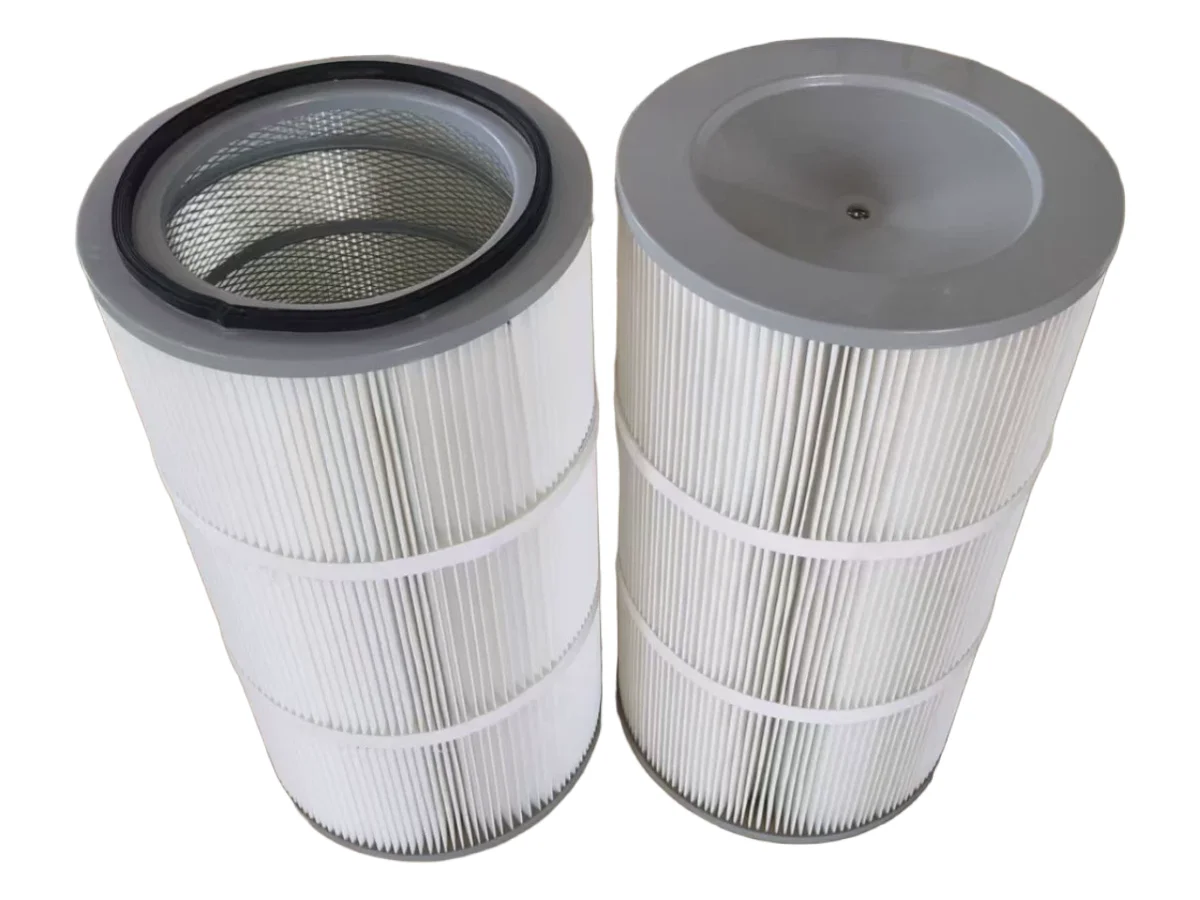
Filter area, cleaning mode and fan static pressure are sized from the dust load, particle size and required outlet concentration. Collected dust leaves through a rotary valve, a flap valve or a screw conveyor, and differential-pressure controls can sequence cleaning automatically.
Where it fits in the process
Features
Key Features
Design points that make the Dust Collector practical for industrial powder plants.
Specifications
Typical Specifications
Final sizing depends on material properties, capacity and plant layout. Request a project review for a tailored proposal.
| Series | Pulse bag (MC) · Single-machine (PL) · Rotary reverse-blow (ZC) · Air-box pulse · Cyclone |
|---|---|
| MC filter area | About 18 - 99 m² (MC24 - MC120 class) |
| MC air volume | About 2,160 - 21,600 m³/h |
| PL air volume | About 800 - 8,000 m³/h, model dependent |
| Filtration velocity | About 1.0 - 4.0 m/min, series dependent |
| Efficiency | Typically ≥ 99.5%; air-box designs often ≥ 99.9% |
| Inlet dust | Often under 15 g/m³ to the bag filter; higher with cyclone pre-clean |
| Discharge | Rotary valve, flap valve or screw conveyor |
Materials
Suitable Materials
Powder and granule categories typically specified with a dust collector. Suitability is confirmed per project from bulk density, particle size, moisture and process conditions.
Cement & building materials
cement, gypsum, lime, quartz dust
Minerals & metal dust
ore dust, foundry sand, metal fines
Chemical powders
pigments, resins, carbon black, rubber additives
Food powders
flour, starch, sugar, spice dust
Combustion & process ash
fly ash, coal dust, biomass ash
Fibrous & light dust
wood, paper, textile, plastic trim
Not sure whether your material will convey? Send us a sample description and we will confirm before quotation.
Industries
Industries Served
Sectors where dust collector units are specified today.

Food
Hygienic vacuum conveying, bag dump and dosing for food powders and additives.
Industry page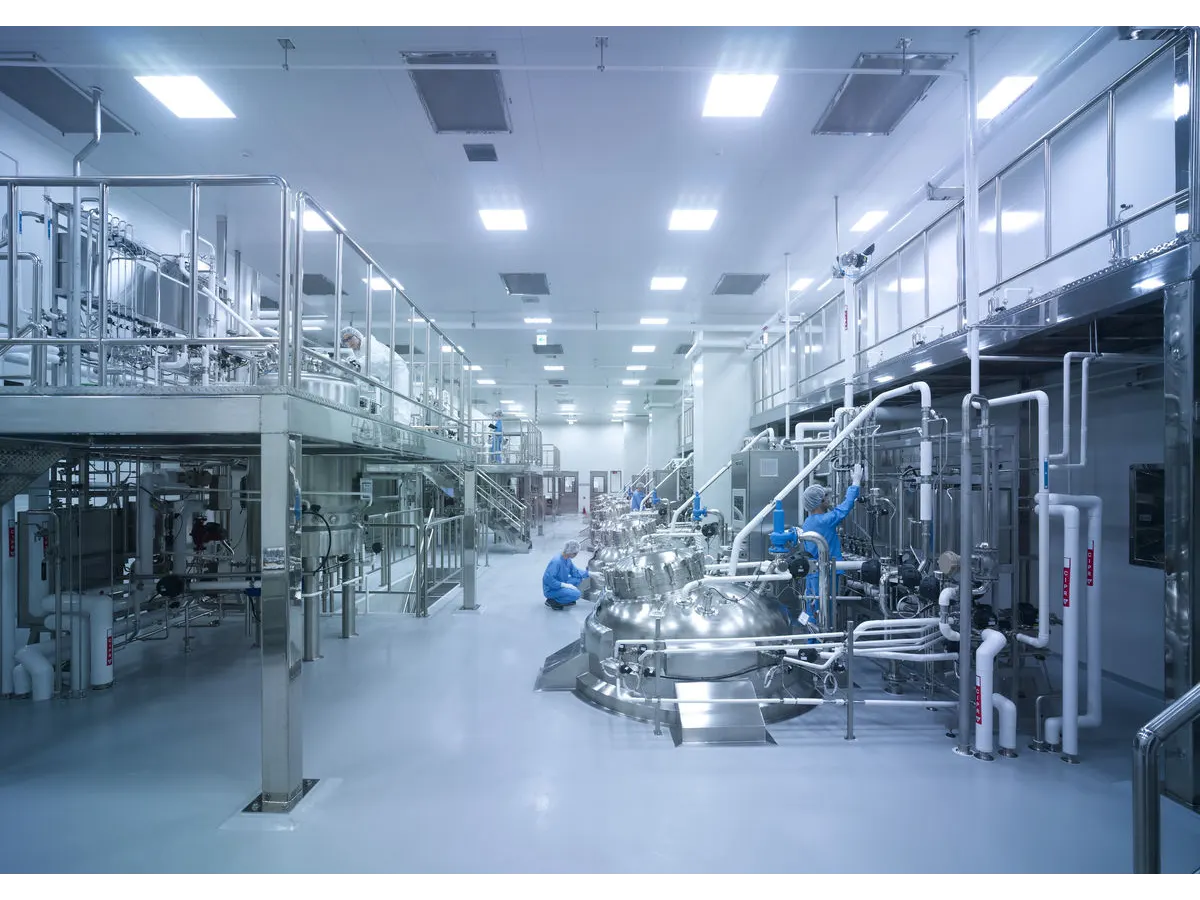
Pharmaceutical
Enclosed dryer-to-pack transfer for API, excipients and agrochem powders.
Industry page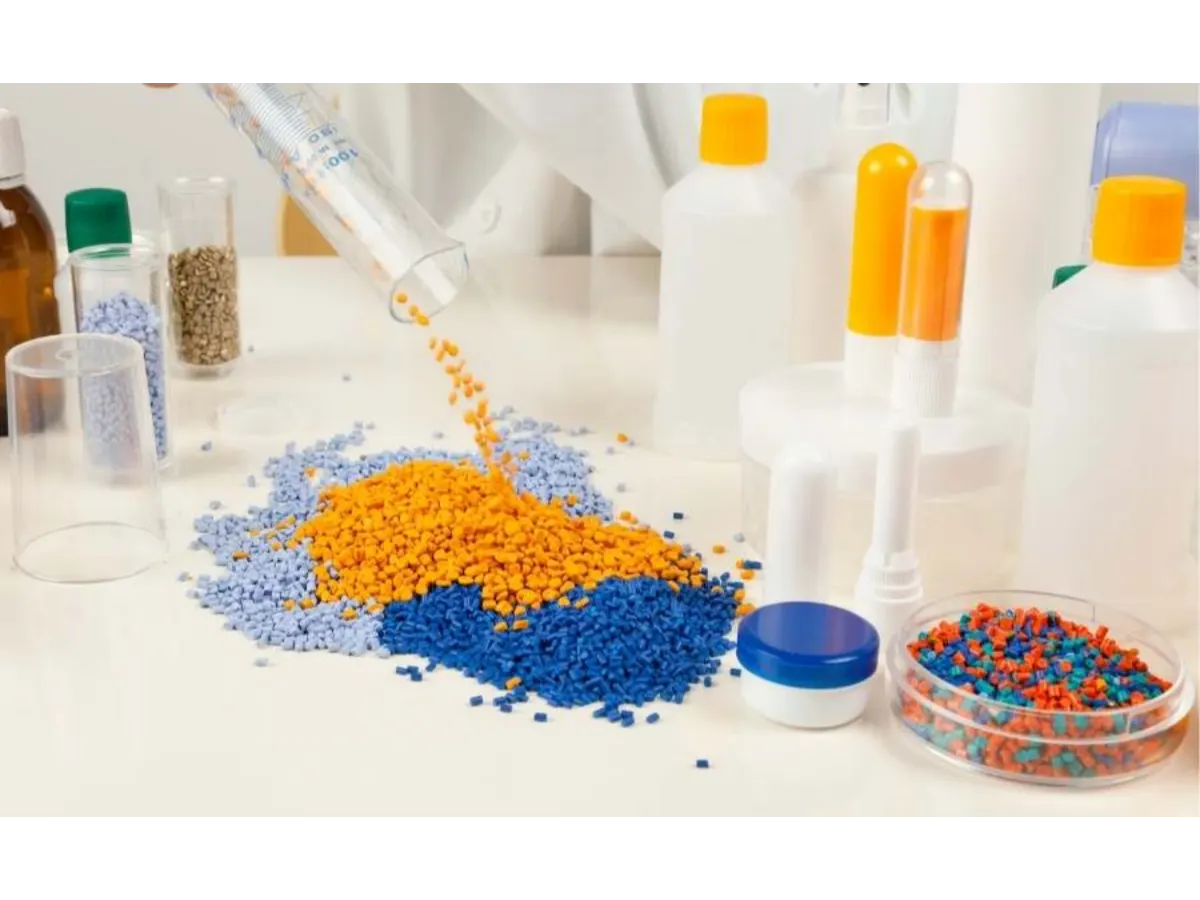
Chemical
Multi-floor vacuum conveying, pigment packing and abrasive powder transfer.
Industry page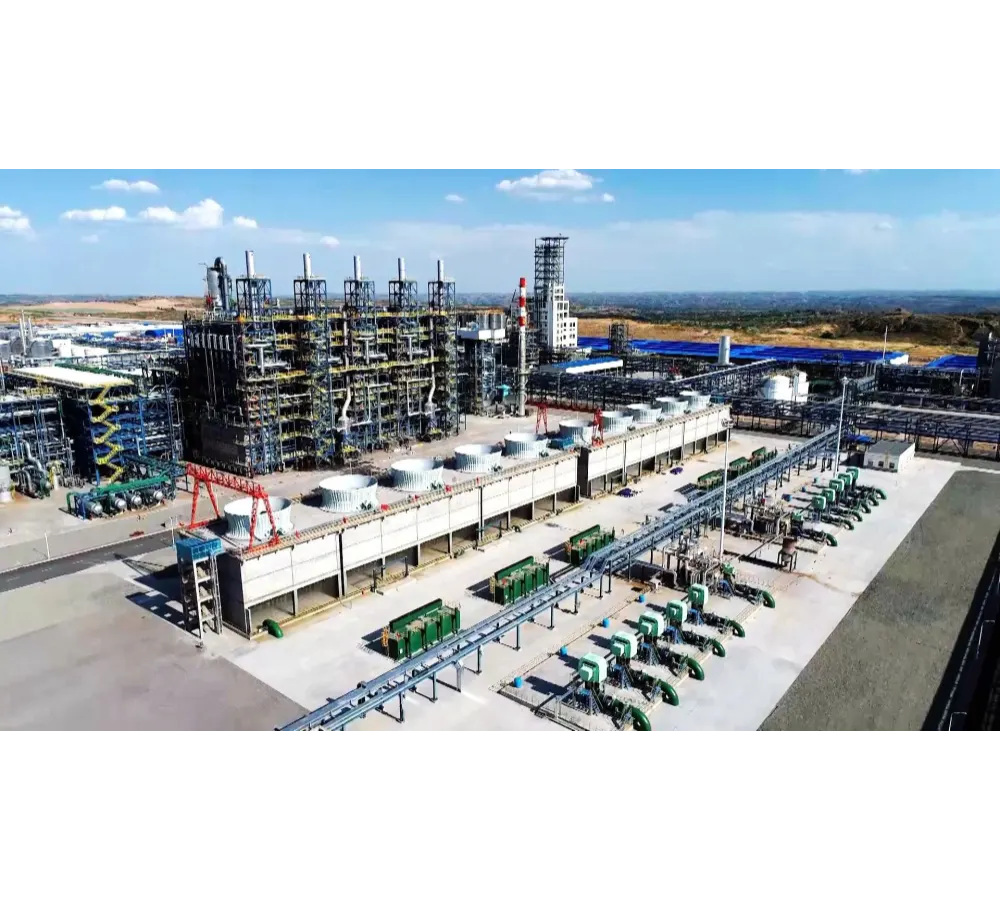
New Energy
Powder automation for lithium materials, CNT slurry prep and related plants.
Industry pageProject experience
Where this equipment is running
Selected projects that include dust collector.
New Energy
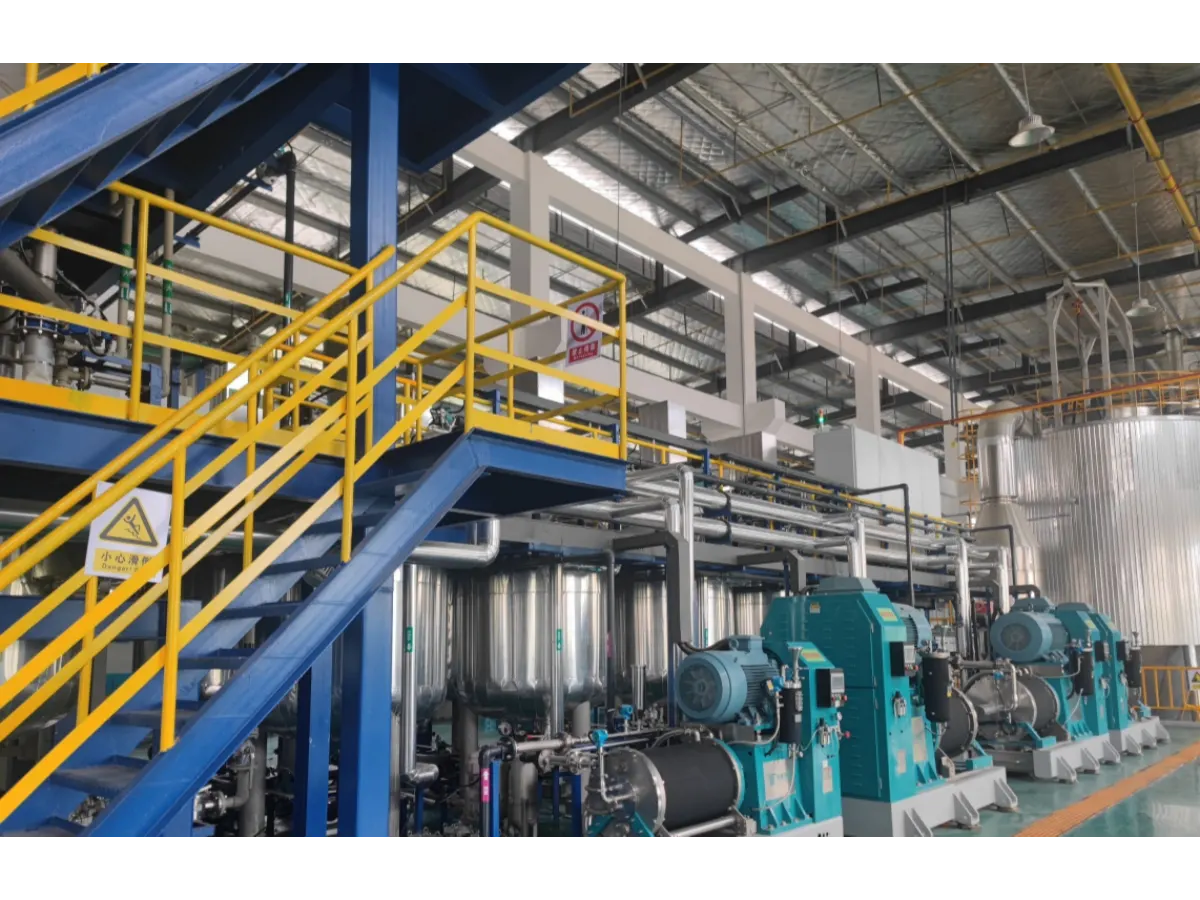
Screening, Weighing & Metered Feeding for Ternary Battery Materials
Zhejiang, China · 2024
Read casePharma
Vacuum Transfer from Dryer & Granulator to Ton-Bag Packing
Zhejiang, China · 2024
Read case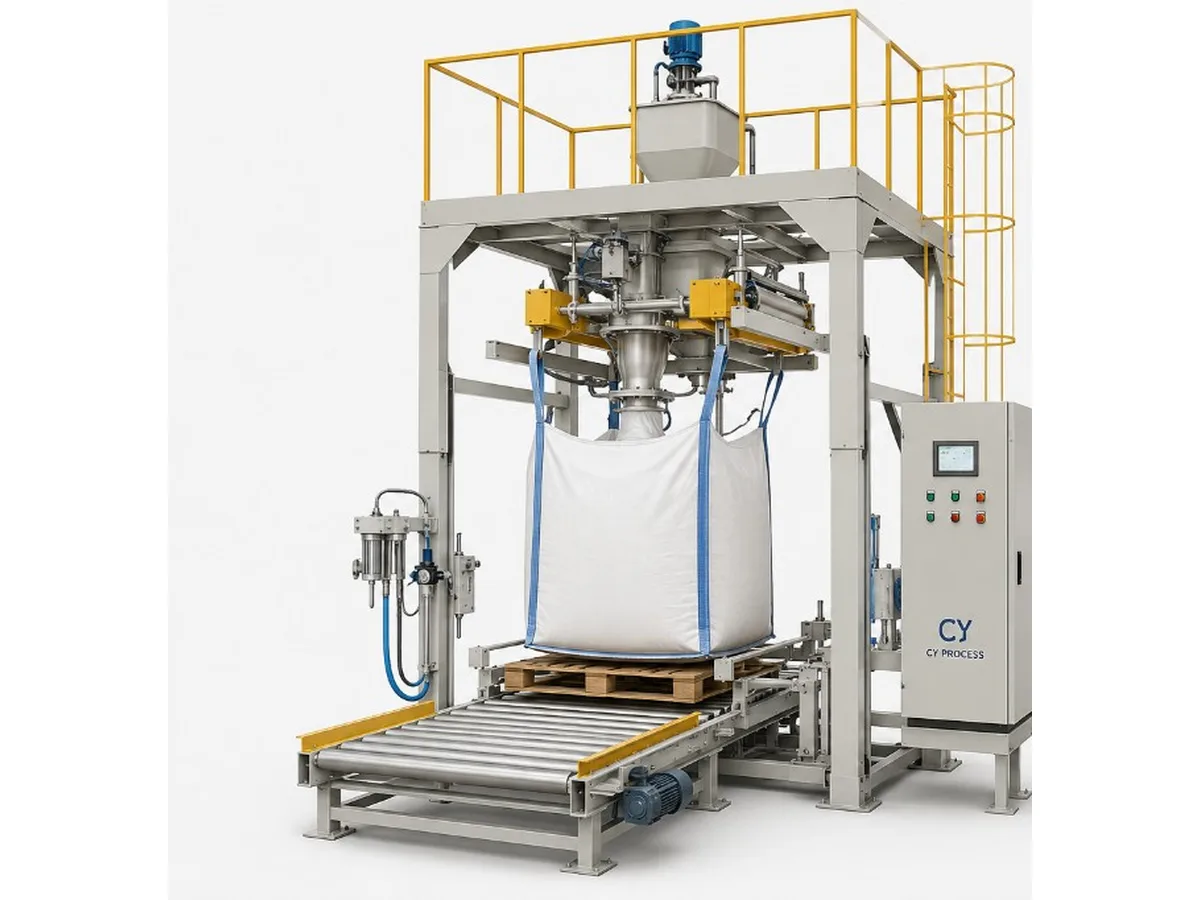
Chemical
Vacuum Conveying to Ton-Bag & Small-Bag Packing for Pigments
East China · 2023
Read case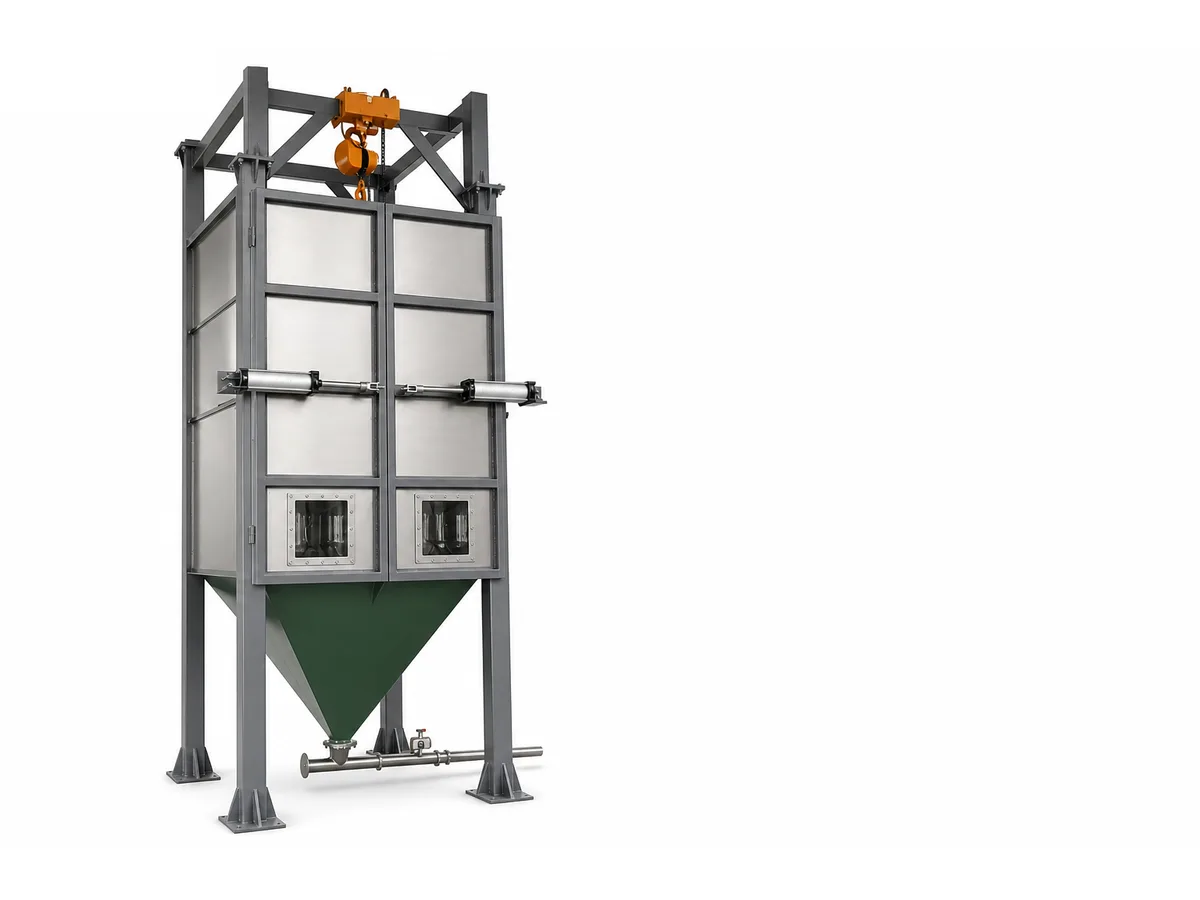
Non-ferrous Metals
Big-Bag Unloading & Vacuum Transfer for DeSOx / DeNOx Materials
China · 2023
Read caseApplications
Process Applications
Process points where this equipment is typically installed, from bulk intake through to packing.
Downloads
Catalogs & Datasheets
Technical documents related to this product and our powder handling range.
Product Catalog
CYprocess Powder Handling Product Catalog (2026)
PDF · 3.5 MB
DownloadTechnical Datasheet
Bag Dump Station Datasheet
PDF · 146 KB
DownloadTechnical Datasheet
Big Bag Unloading Station Datasheet
PDF · 130 KB
DownloadTechnical Datasheet
Small Bag Auto Unpacking Machine Datasheet
PDF · 182 KB
DownloadFAQ
Dust Collector FAQ
Common questions about selection, integration and quotation.
Pulse-jet bag filters are central units that serve several extraction points through ducting, with reverse-jet cleaning and a hopper discharge. Single-machine units combine fan, filter and bin in one housing for a local point such as a mixer, so they need no duct network at all.
Knowledge
Related Blogs
Articles that help with selection, layout and system design.
Dust Collection
How to Reduce Dust in Powder Processing
Effective dust control methods for powder processing plants.
Read article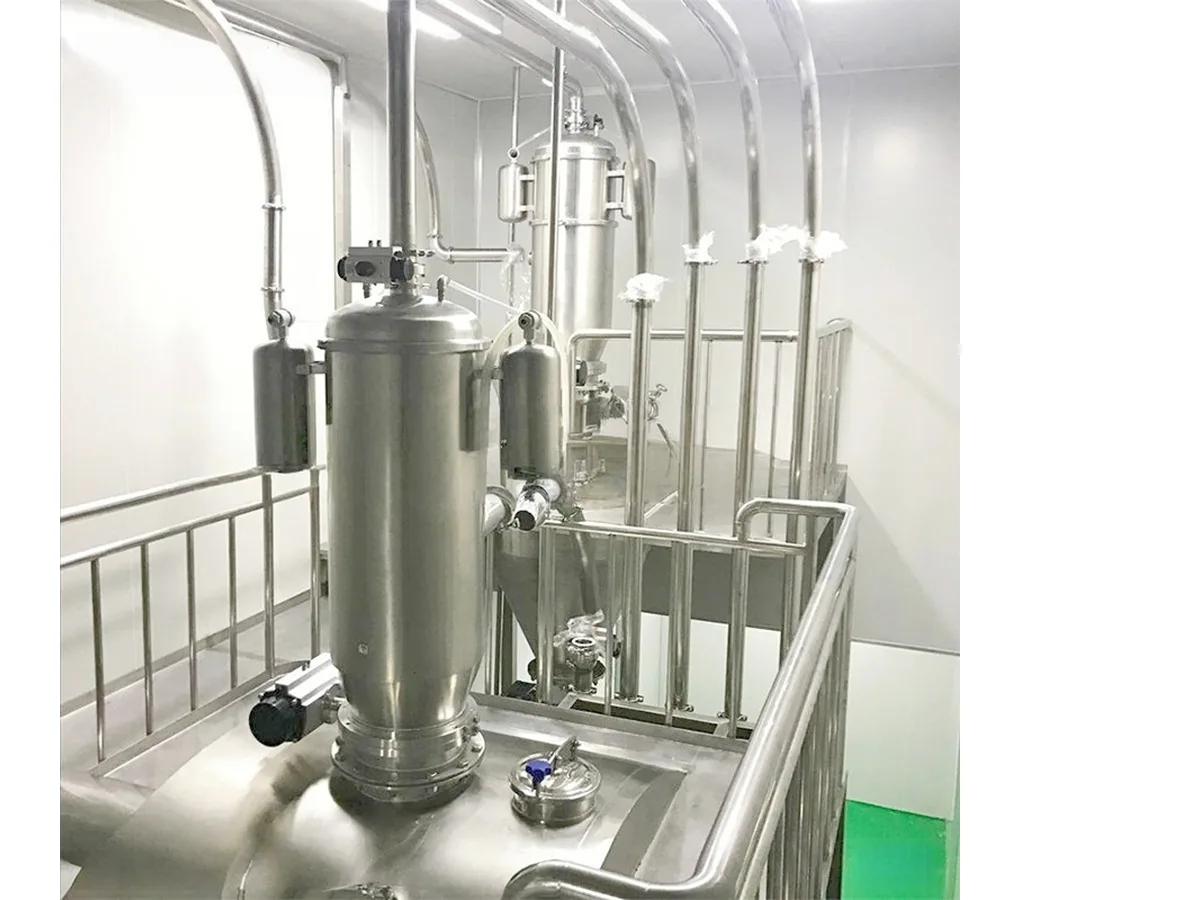
Vacuum Conveying
How Vacuum Conveyors Work
Learn how vacuum conveying systems transfer powders dust-free — from pickup to discharge — and how to specify the right system for your plant.
Read articleFood Industry
Powder Conveying Solutions for Food Industry
Explore hygienic powder conveying solutions for food processing applications.
Read articleSystem partners
Related Products
Equipment commonly paired with Dust Collector in complete powder handling lines.
Engineering support
Enquire about Dust Collector
Share your material, capacity and plant layout. Our engineers will confirm sizing and send a tailored proposal.