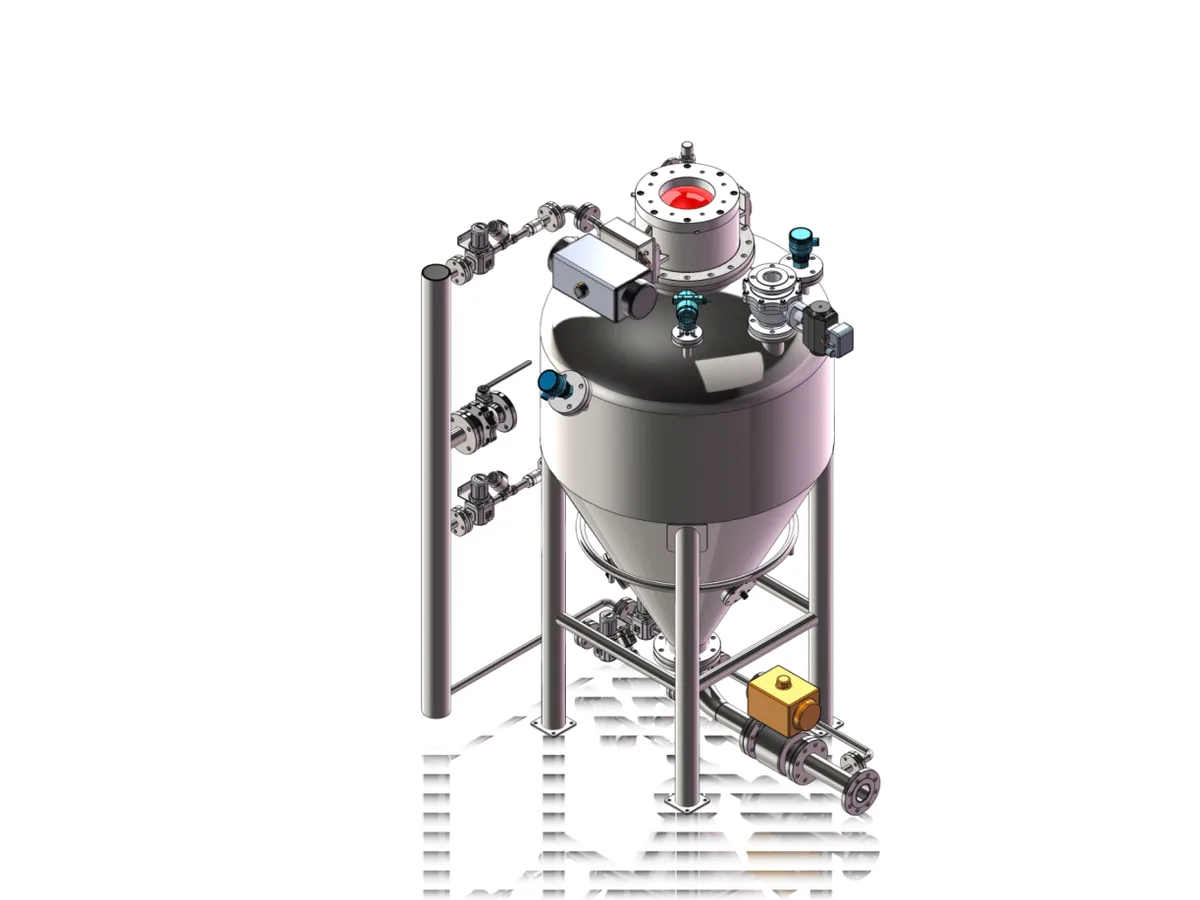
Automated dosing reduces operator error and batch variation.
Loss-in-weight feeders suit continuous and batch recipes.
Integration with conveying and PLC recipes enables full automation.
A fast stage plus a slow trim stage is what delivers dosing accuracy.
Refill disturbance, not the feeder itself, causes most accuracy complaints.
Technical Overview
Why automate powder dosing
Manual scooping and bag tipping create dust, inconsistency and slow changeovers. Automatic dosing with weighing and recipe control improves accuracy, traceability and throughput — but the benefit that usually decides the project is repeatability. A skilled operator can hit a target weight; the difficulty is having every operator hit it on every shift for years, and being able to prove afterwards that they did. Automation turns the batch record from a handwritten note into a stored dataset, which is what a customer audit or a quality investigation actually needs.
The real gain is repeatability across shifts, not just accuracy on one batch
System architecture
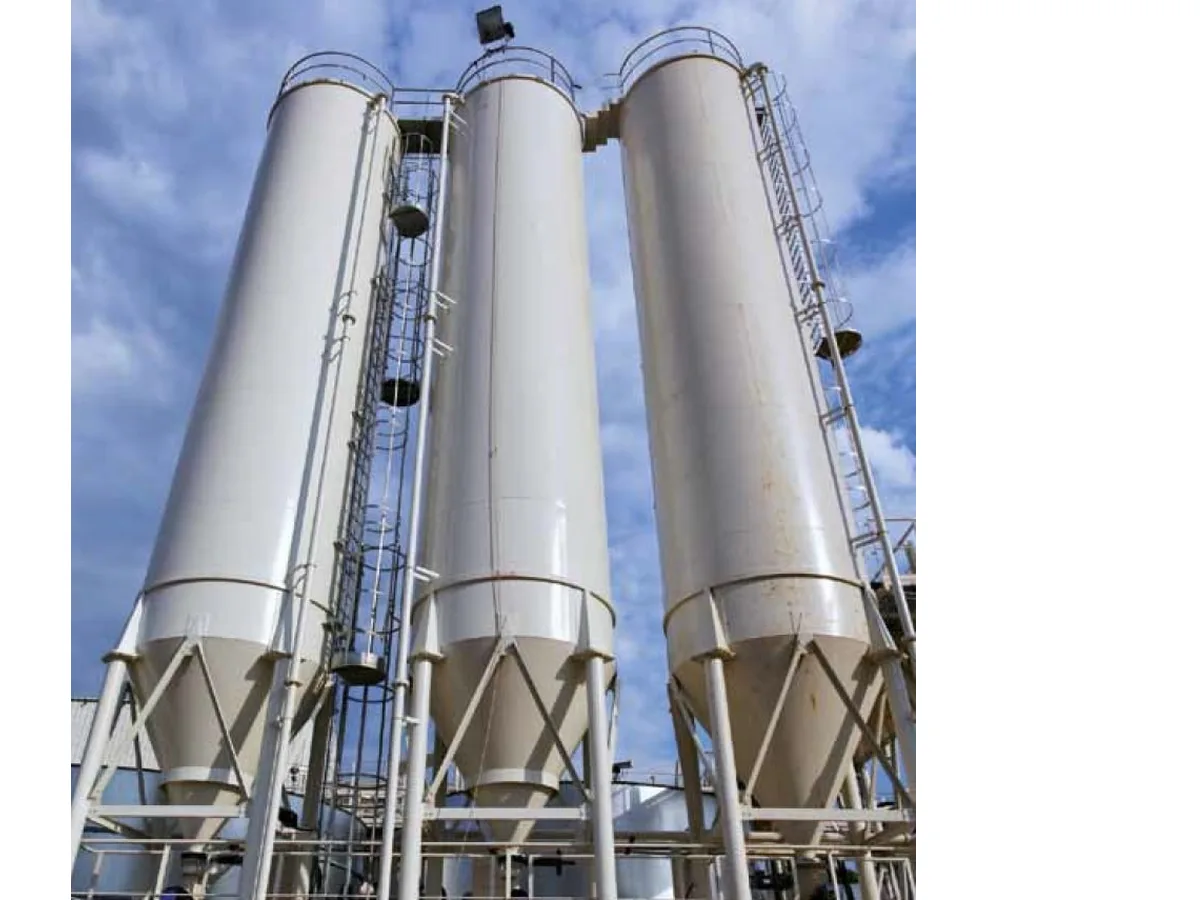
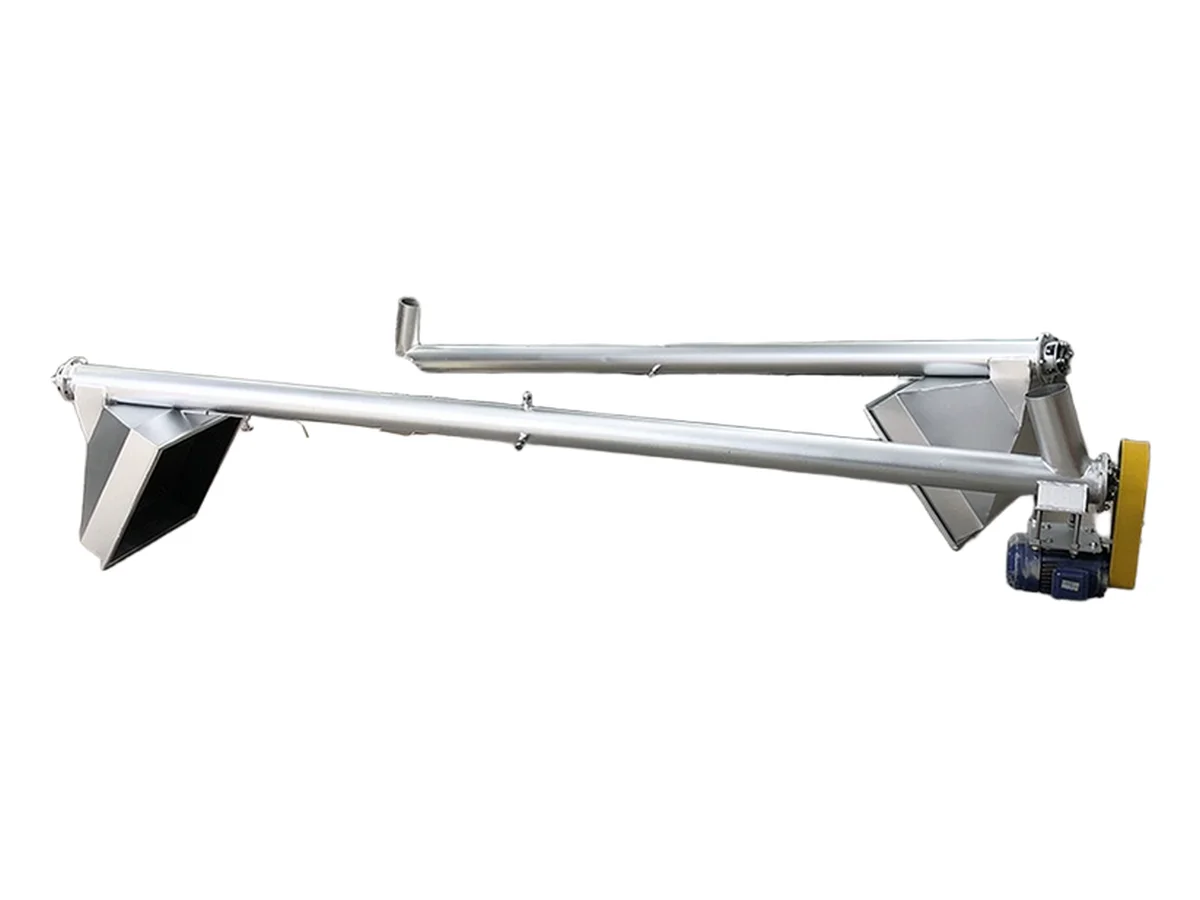
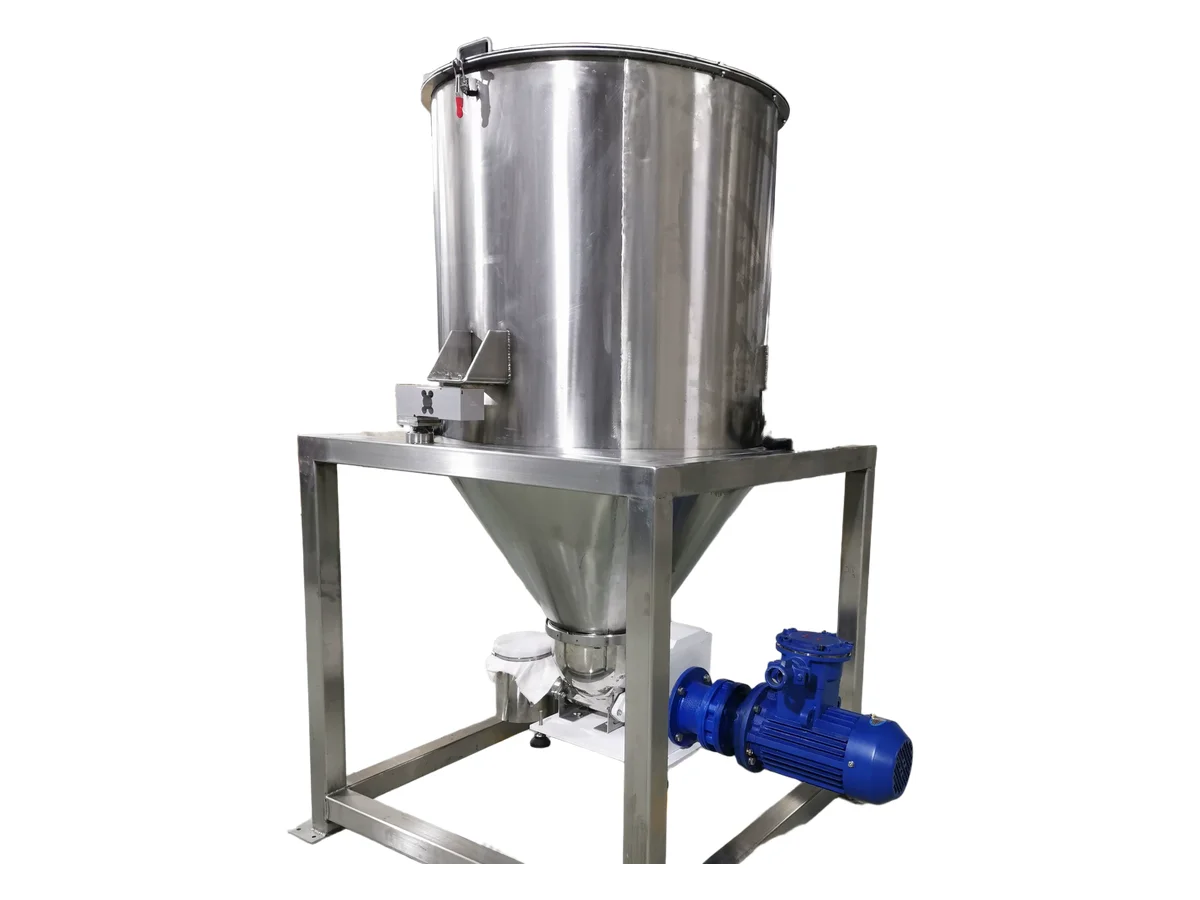
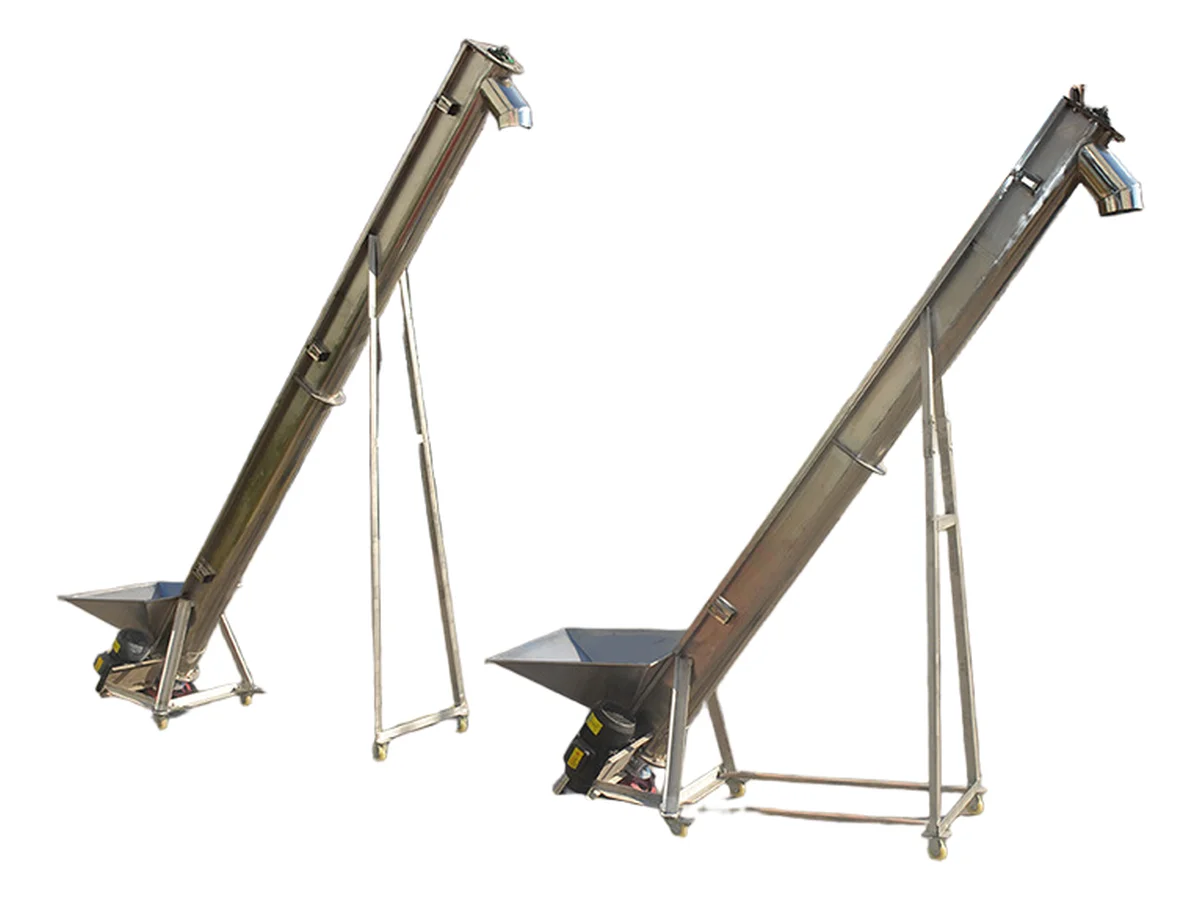
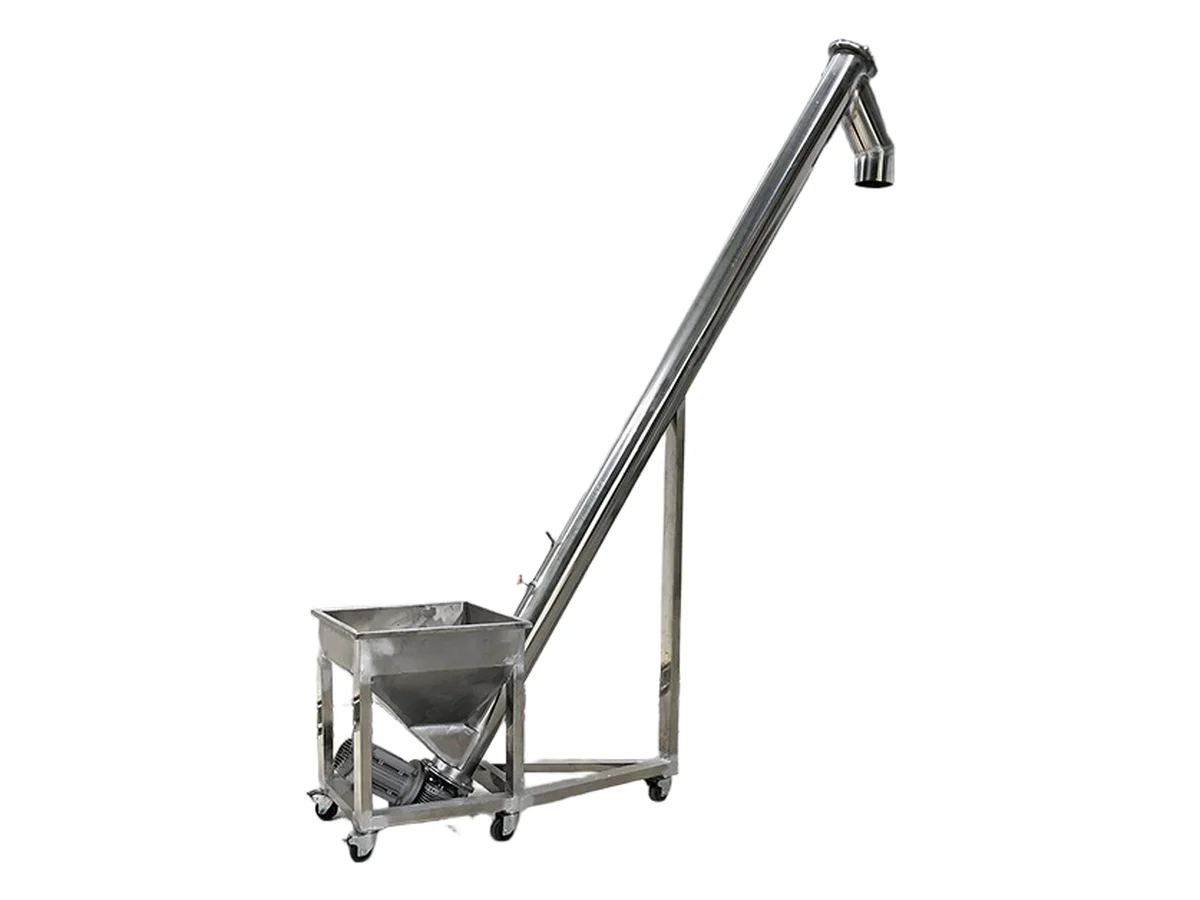
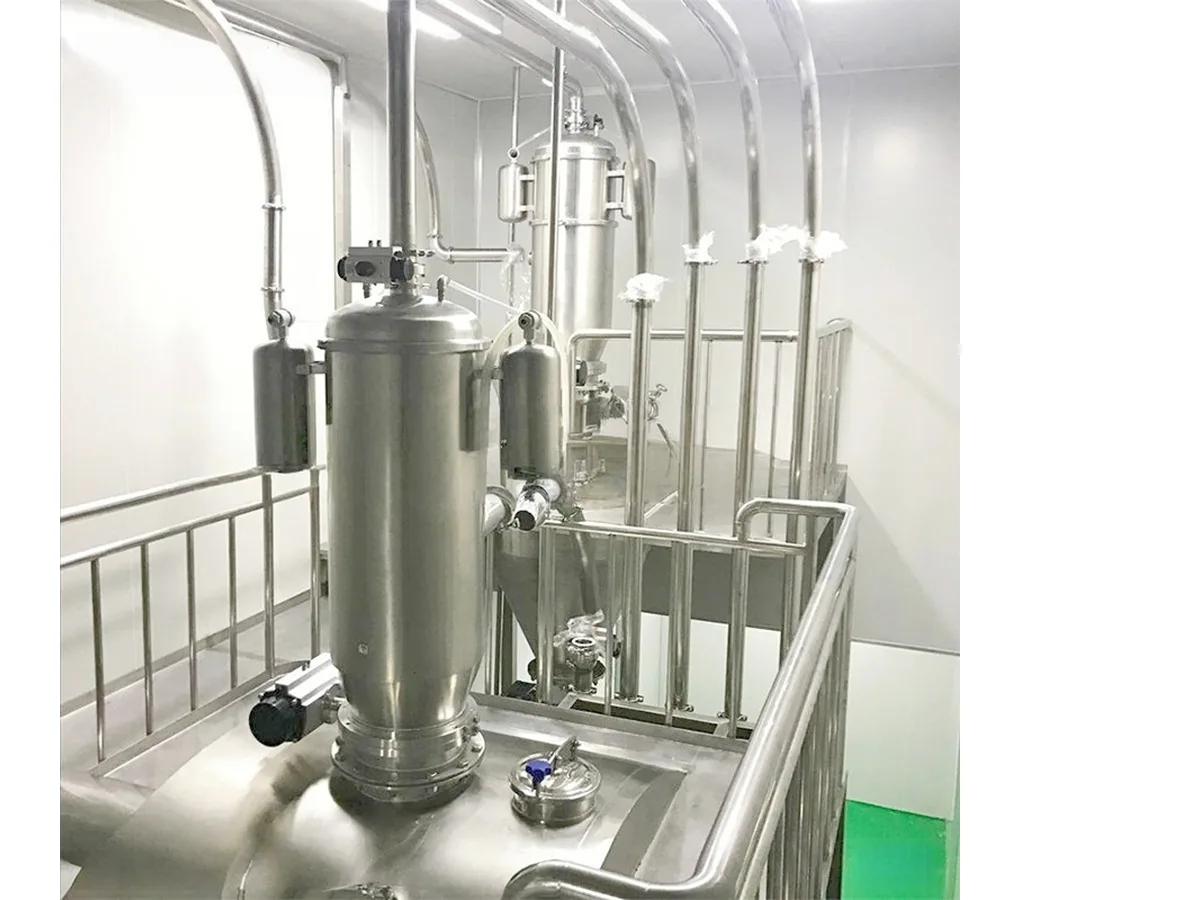
A typical line combines vacuum or screw feeding into weigh hoppers, loss-in-weight feeders for minor ingredients, and PLC recipe management with lot tracking for audits. The physical arrangement usually separates two duties that look similar but are not: materials that arrive in bulk and are dosed in large quantities, and materials added at a small fraction of the batch where a small absolute error changes the product. Bulk ingredients tolerate a gain-in-weight hopper fed by vacuum conveying or a screw conveyor; minor ingredients need a dedicated gravimetric feeder, often with its own small hopper and refill arrangement. Both report into the same controller, so the recipe is one object rather than two systems exchanging numbers.
Bulk and minor ingredients are handled by different devices but one recipe
Cost and payback considerations
Automated dosing is usually justified by three numbers: labour hours removed from manual weighing, reduction in out-of-spec batches, and higher equipment utilisation after faster changeovers. A practical first step is to automate only the critical minor ingredients, where a small error has a large effect on the finished product, and leave bulk materials on the existing manual route. Phase the investment so that each stage pays for the next, and insist on a written test protocol using your own material before acceptance. Payback depends on your own labour rate, batch value and current reject rate, so the reliable way to estimate it is to run the three numbers above against your own line rather than to rely on a generic industry figure.
Phasing the investment lets each stage fund the next
Gain-in-weight or loss-in-weight?
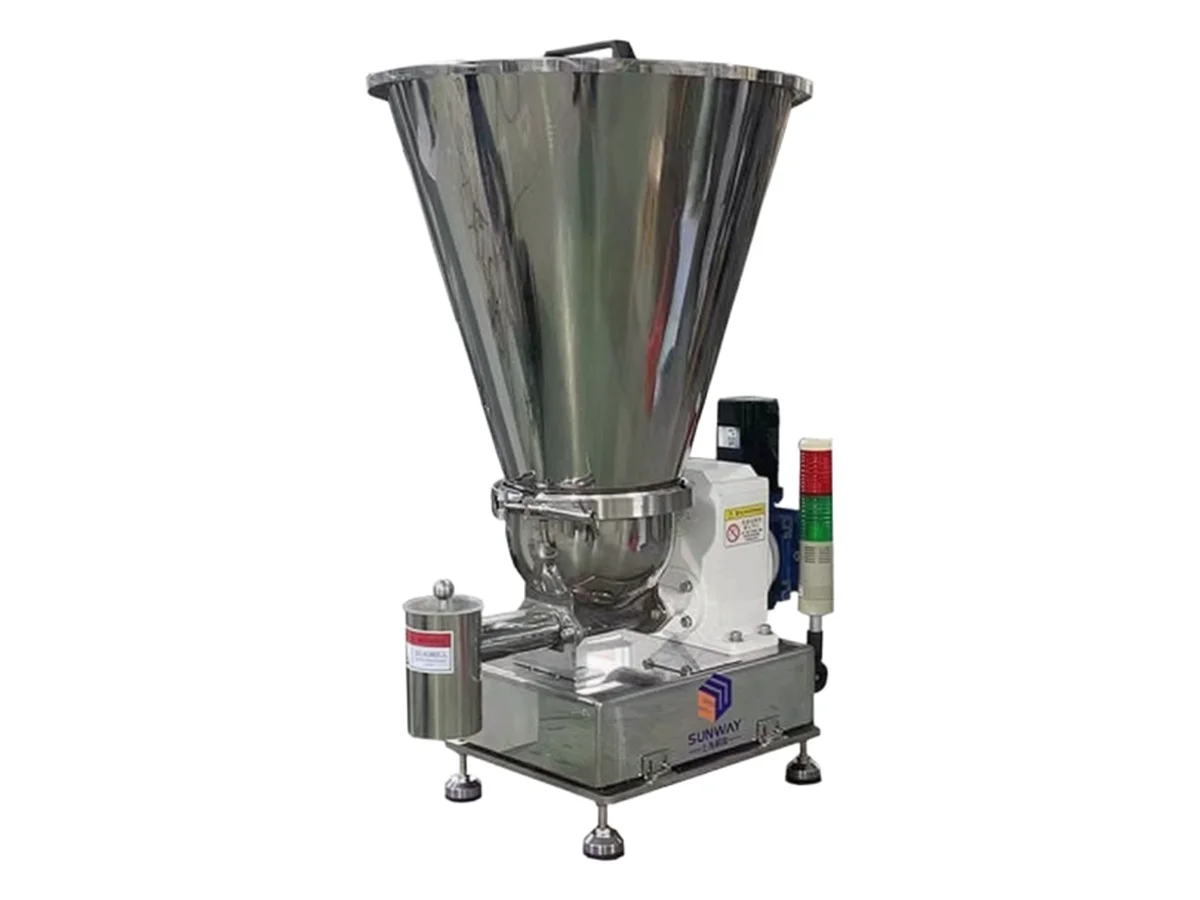
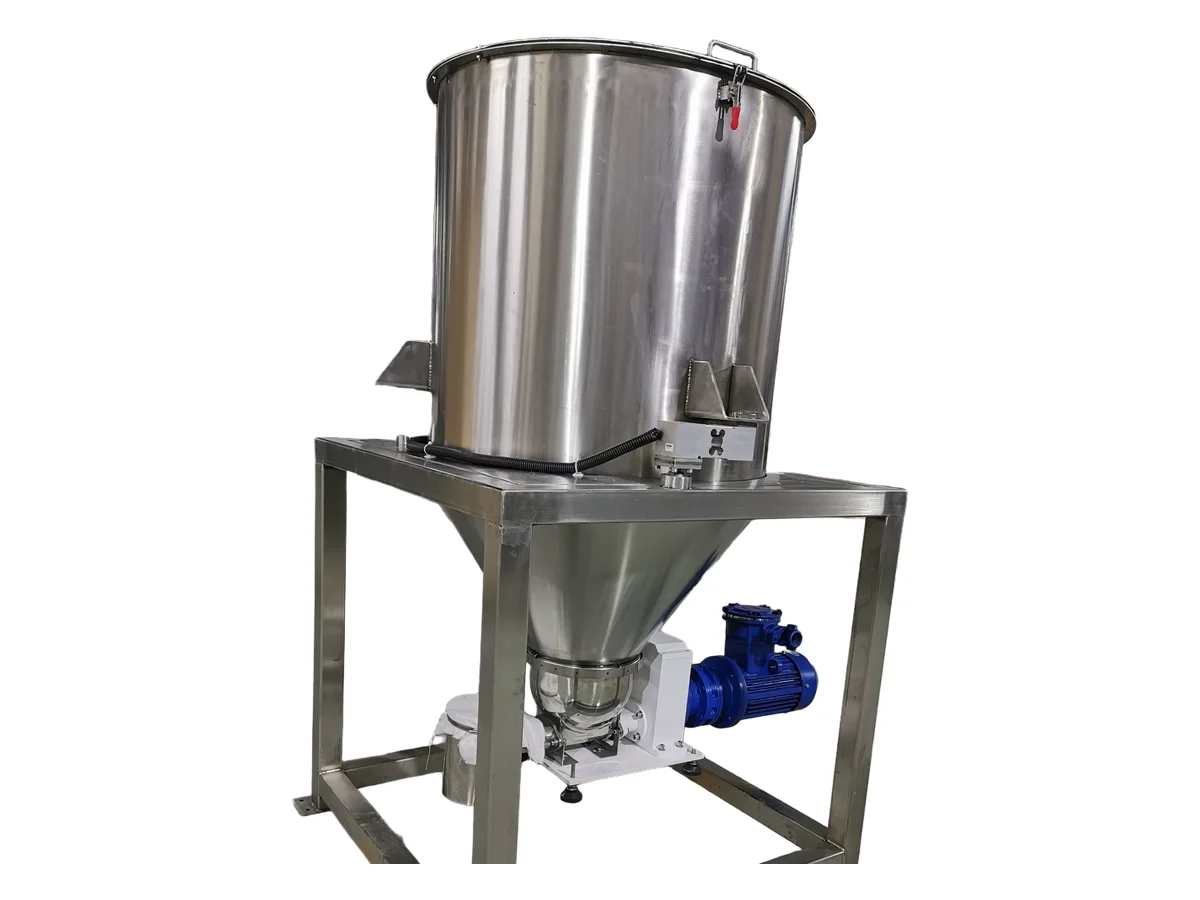
The two arrangements describe where the scale sits, and the choice follows from the material and the rate. In gain-in-weight dosing the receiving vessel sits on load cells and material is weighed as it arrives; the feeder runs, the weight climbs, and the controller stops it at the target. This suits batch recipes, larger quantities and materials that flow readily, and it is the simpler arrangement to build. In loss-in-weight dosing the feeder and its supply hopper sit on load cells together, and the controller watches weight fall, correcting the feed rate continuously to hold a declining slope that matches the recipe. That is what allows a minor additive to be delivered at a steady rate rather than dropped in a lump, and it is why loss-in-weight is the choice for continuous lines and for ingredients dosed at a small fraction of the batch.
Where the load cells sit determines what the controller can control
Volumetric or gravimetric: when the difference shows up
A volumetric feeder is cheaper and simpler: it displaces material at a set screw speed and assumes the same volume always weighs the same. For a free-flowing, single-source, coarse material that assumption often holds well enough. It stops holding the moment bulk density changes — between deliveries, with moisture, after a change of supplier, or simply as the hopper empties and the material consolidates. A gravimetric feeder measures mass and corrects for all of it, holding roughly half a percent to one percent of set rate on a continuous duty, while a gain-in-weight batch system reaches around ±0.2% to 0.5% of setpoint. The practical test is not the accuracy on the day of commissioning but the accuracy after six months of real material, which is why the important question is what happens when the density drifts, not what the datasheet promises.
Volumetric assumes bulk density stays constant; gravimetric does not have to
How many feed stages, and why
Feeding accuracy is not achieved by one device working harder but by two devices working in sequence. A single feeder sized to deliver the whole quantity quickly will overshoot on the final part of the dose, because it cannot stop instantly — material already in flight keeps arriving. The standard answer is a fast stage that brings the weight to most of the target and a slow stage that trims the remainder at a rate the controller can actually stop on, and some duties use three. The cost is extra hardware and more complex sequencing; the benefit is that a 500 kg bulk charge and a 2 kg additive can both be hit accurately. When a dosing system underperforms, the split between the fast and slow stages is one of the first things to examine, because a badly set trim quantity produces exactly the symptom of a badly sized feeder.
A fast stage and a slow trim stage together deliver the accuracy
Refill strategy is part of accuracy
Most dosing errors blamed on the feeder turn out to be refill problems. When a loss-in-weight hopper refills, the incoming material disturbs the weighing system, and during those seconds the controller is effectively blind. The usual solution is to refill quickly and infrequently rather than slowly and continuously, so the disturbance is short and the control loop can compensate around it; the hopper is deliberately sized to hold enough material for a reasonable refill interval. Where the supply arrives by vacuum conveying, the receiver, its vent and the refill valve must be arranged so they do not load the weighing vessel, or the scale ends up reading the hose as well as the hopper. At very low dose rates the refill can dominate the whole accuracy budget, and the design response is a smaller, more frequently refilled hopper rather than a larger one.
How the hopper is refilled affects accuracy as much as how it discharges
What to prepare before requesting a quotation
Dosing systems are sized from the recipe, so the recipe is what to bring. For each ingredient, note the target weight or rate, the tolerance that genuinely matters to the product, and whether it is a major or a minor component. Add the material data: loose and tapped bulk density, particle size, moisture, whether it cakes or bridges, and whether it is abrasive. Then describe the batch — total size, cycle time, number of recipes, and how often formulations change over a shift. Finally, state the interface: whether the line already has a PLC or SCADA the dosing controller must talk to, whether lot tracking and batch reporting are required, and which documentation the plant needs. Systems sized without a tolerance figure usually end up either over-specified or quietly incapable.
The tolerance figure, not the target weight, is what sets the equipment
Process Flow
Typical steps covered in this article.
Recipe Setup
Material Feed
Weighing / Dosing
Batch Release
Typical Applications
Multi-ingredient batching
Additive micro-dosing
Continuous feeding
Mixer loading
Equipment
Related Products
Explore equipment commonly used with the processes described in this article.