
Weighing & Dosing
Loss-in-Weight Feeder
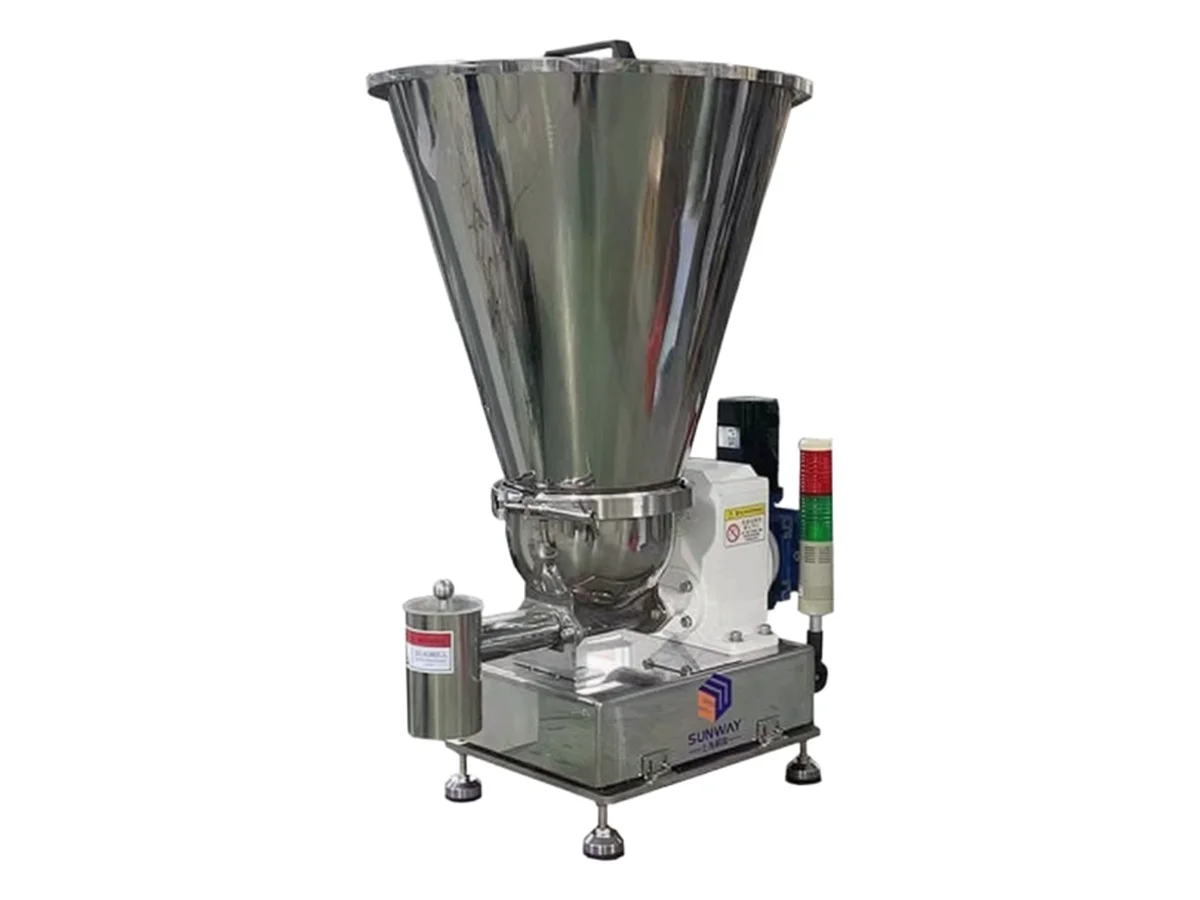
CYprocess loss-in-weight feeders — also called gravimetric feeders or LIW feeders — dose powders and granules continuously by measuring how hopper weight changes over time. Screw, vibratory or belt discharge under closed-loop control holds a stable set rate.
Shanghai-built. Drawings come with the quotation, and material certificates are available on request. Factory and documents
1 / 3
Overview
About Loss-in-Weight Feeder
How this equipment works in powder handling lines and what to consider when selecting it.
Working principle
The feeder hopper sits on load cells and the controller records the weight loss per unit time. Comparing that figure with the set rate, the control loop adjusts screw or belt speed continuously, so the delivered mass stays constant even when bulk density or flow behaviour drifts.
Options and integration
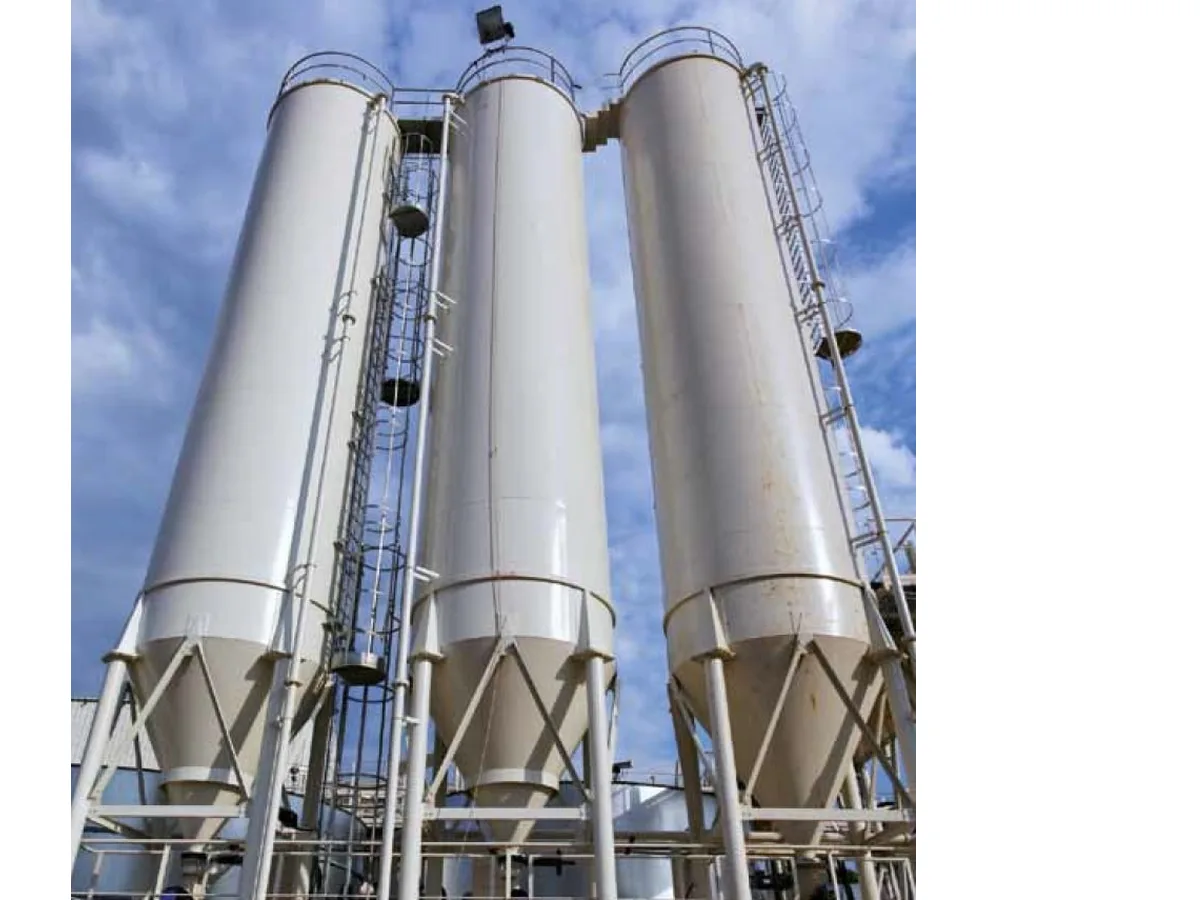
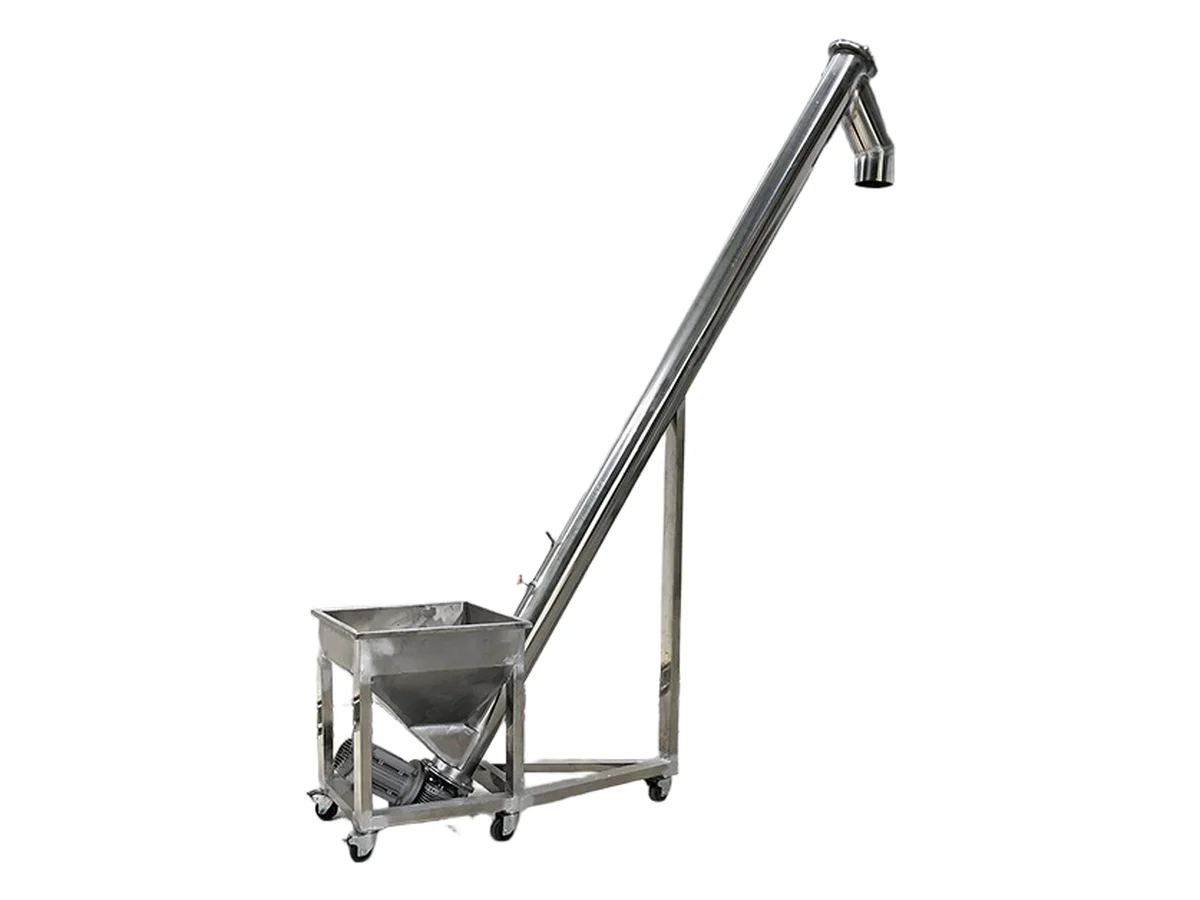
Refill can run from a vacuum conveyor or a silo without interrupting feeding. Screw, vibratory and belt discharge cover different material behaviours, contact parts are available in SS304 or SS316L, and several feeders can be combined into one recipe-controlled line.
Where it fits in the process
Features
Key Features
Design points that make the Loss-in-Weight Feeder practical for industrial powder plants.
Specifications
Typical Specifications
Final sizing depends on material properties, capacity and plant layout. Request a project review for a tailored proposal.
| Type | Loss-in-weight (LIW) gravimetric feeder |
|---|---|
| Mode | Continuous set rate / batch refill |
| Discharge | Screw / vibratory / belt |
| Control | Load cell with PLC / HMI |
| Accuracy | Typically ±0.5 - 1% of set rate, application dependent |
| Construction | SS304 / SS316L contact options |
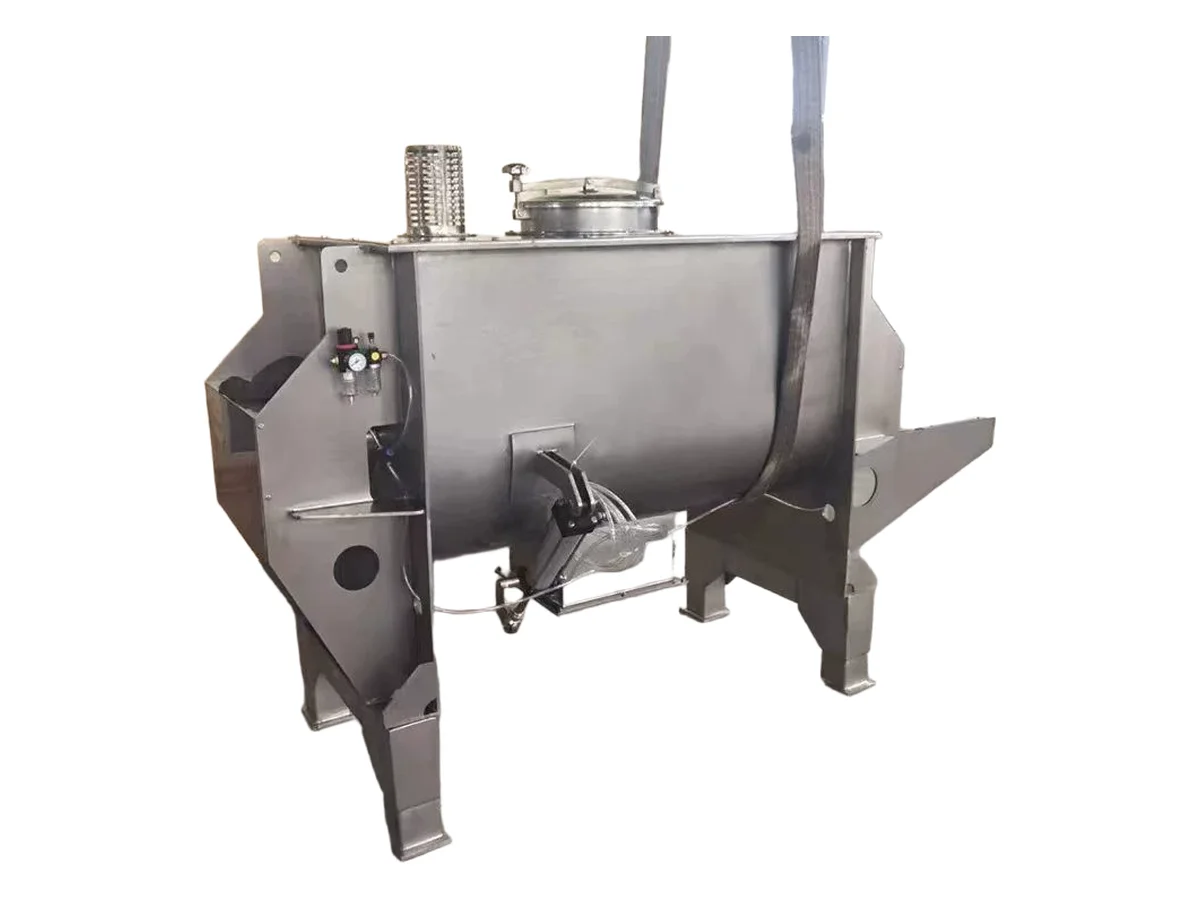
| Integration | Vacuum refill, mixer, extruder, packer |
Materials
Suitable Materials
Powder and granule categories typically specified with a loss-in-weight feeder. Suitability is confirmed per project from bulk density, particle size, moisture and process conditions.
Chemical powders
pigments, resins, fine chemicals
Battery materials
cathode, anode, conductive carbon
Food powders
flour, starch, sugar, spices, additives
Plastics & additives
granules, masterbatch, compounds
Pharmaceutical solids
API, excipients, granulates
Not sure whether your material will convey? Send us a sample description and we will confirm before quotation.
Applications
Process Applications
Process points where this equipment is typically installed, from bulk intake through to packing.
Downloads
Catalogs & Datasheets
Technical documents related to this product and our powder handling range.
FAQ
Loss-in-Weight Feeder FAQ
Common questions about selection, integration and quotation.
A volumetric feeder delivers a fixed volume per revolution, so output drifts whenever bulk density or flow behaviour changes. A loss-in-weight feeder measures the mass actually delivered and corrects the speed continuously, so the set rate is held regardless of those changes.
Knowledge
Related Blogs
Articles that help with selection, layout and system design.
System partners
Related Products
Equipment commonly paired with Loss-in-Weight Feeder in complete powder handling lines.
Engineering support
Enquire about Loss-in-Weight Feeder
Share your material, capacity and plant layout. Our engineers will confirm sizing and send a tailored proposal.