A general-purpose water butterfly valve can fail within weeks on dry powder.
A thin, contoured disc with no flat ledge prevents packing and bridging at closure.
A replaceable abrasion-resistant seat turns a valve replacement into a consumable change.
Sealing should be reliable in both flow directions under silo head pressure.
Combustible dust and fine powder change the seat, earthing and rating requirements.
Technical Overview
The wrong assumption in most specifications
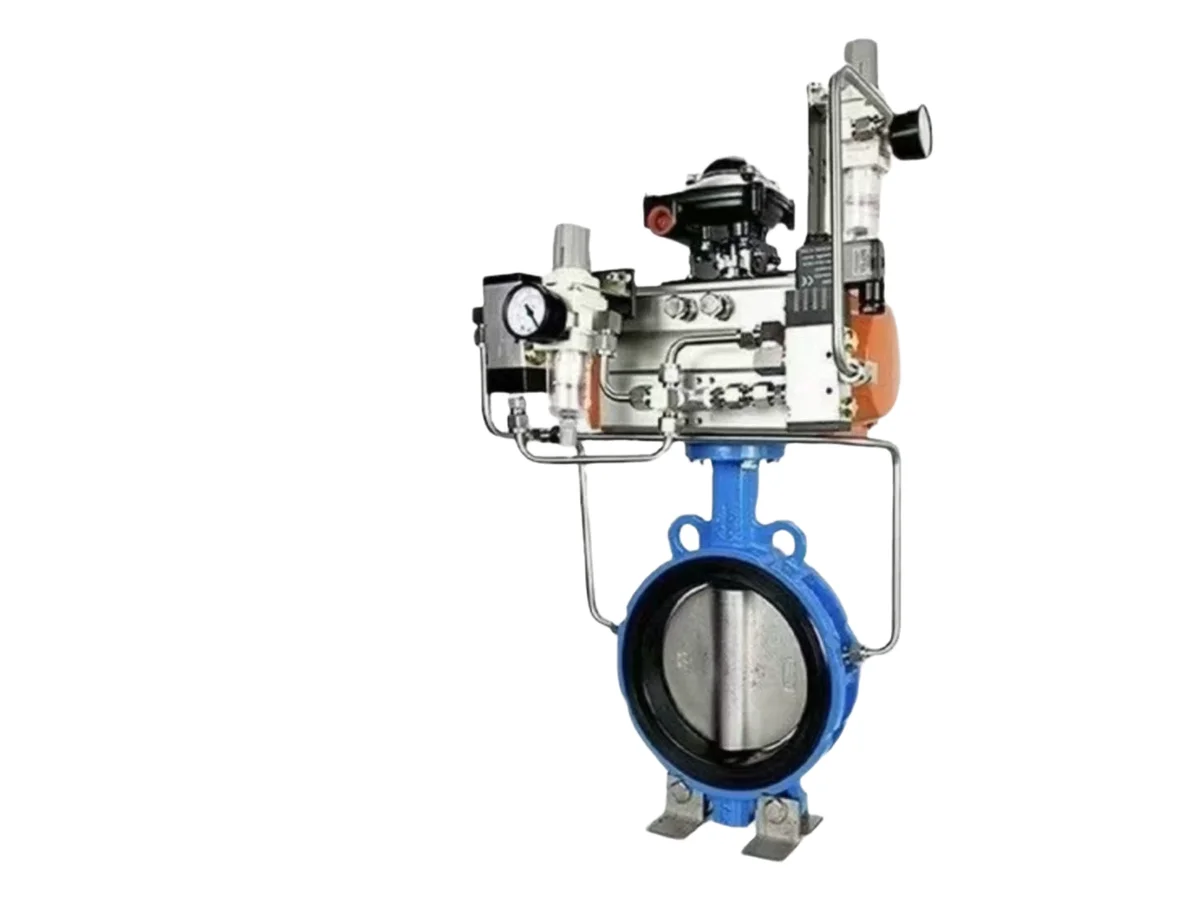
A butterfly valve is a quarter-turn device with a disc on a shaft. It is cheap, compact and available everywhere, so it gets specified for powder duty on the basis of bore size and pressure class alone. That works on liquids. On dry solids the same valve fails in a characteristic way: fines accumulate and compact on the disc face, the disc can no longer reach its seat, and the valve leaks — often within weeks. The failure looks like a seal defect. It is a geometry problem.
Disc geometry: the ledge problem
The standard disc profile presents a flat face to the flow. In a powder line, material settles on that face and is compressed every time the valve closes, forming a compacted layer that physically prevents full closure. The fix is a reduced-thickness, sharply contoured disc with no flat ledge for fines to collect on, so powder slides clear on closure instead of packing against the disc. It is a small change in section and a large change in service life.
Seat material follows the product
Seat selection is where most of the remaining failures sit, and the right answer depends on what is being handled. Silicone and EPDM suit food, pharmaceutical and potable-contact duty and are available in FDA-compliant grades. NBR covers general industrial powders. Polyurethane handles highly abrasive cement, fly ash and mineral streams. PTFE is specified for chemically aggressive products and where a non-stick surface is needed. Specifying the seat from the catalogue default rather than from the product is the second most common error after disc geometry.
Isolation versus throttling
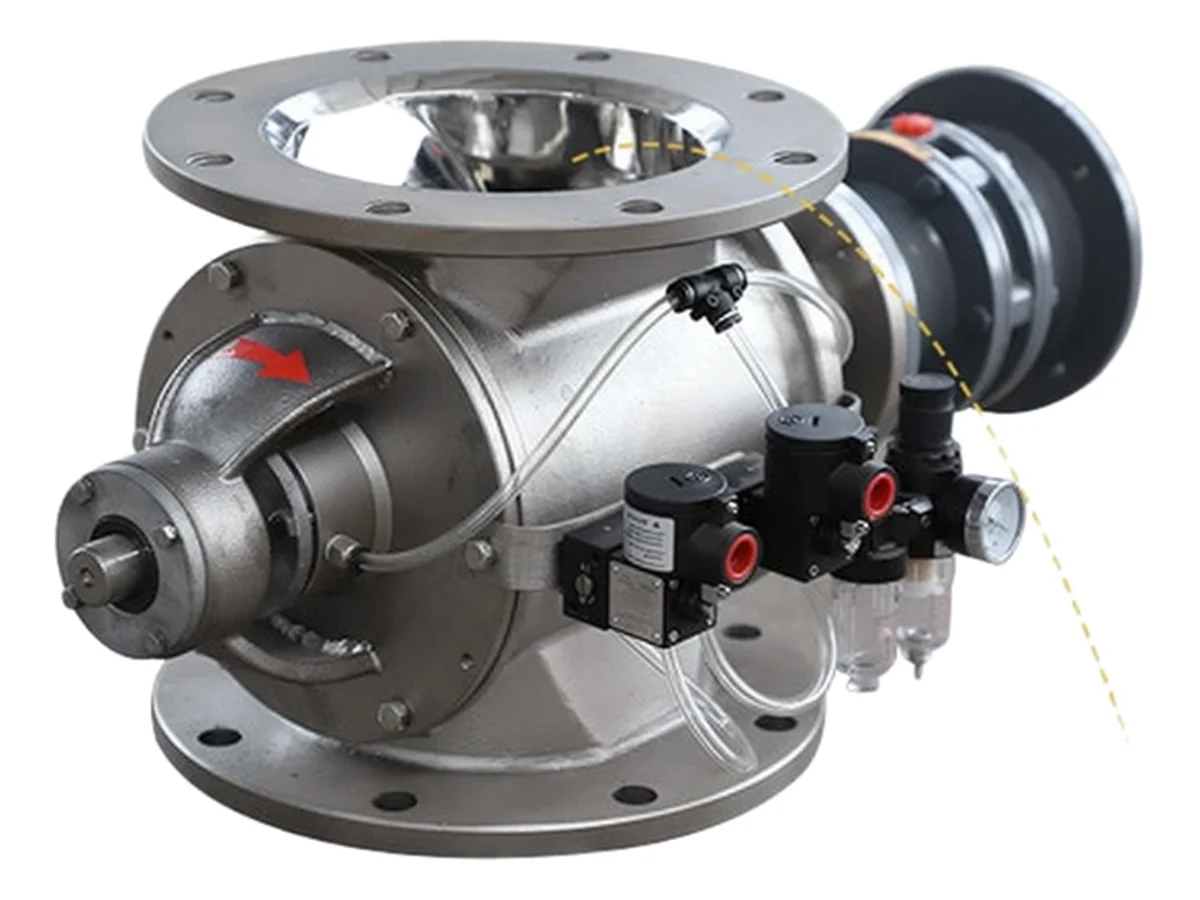
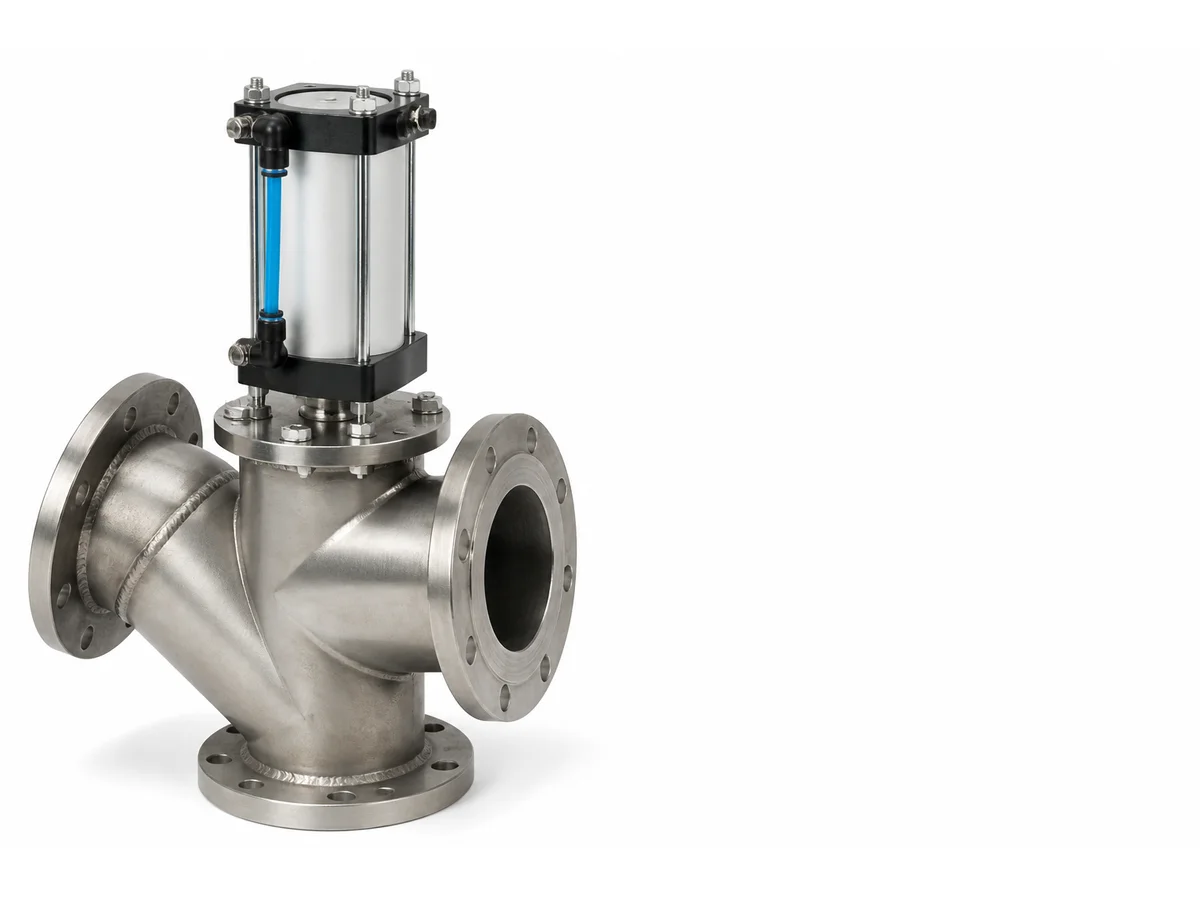
A butterfly valve is best used fully open or fully closed. The disc stays in the flow path even when open, so it both restricts flow and collects material, which makes it a poor choice for rate control. Where adjustable powder feed is needed, a purpose-built feeder — screw, rotary or vibratory — is the honest specification. Many plants use both: butterfly valves for isolation at each vessel outlet, feeders for metering.
Inflatable seats for abrasive duty
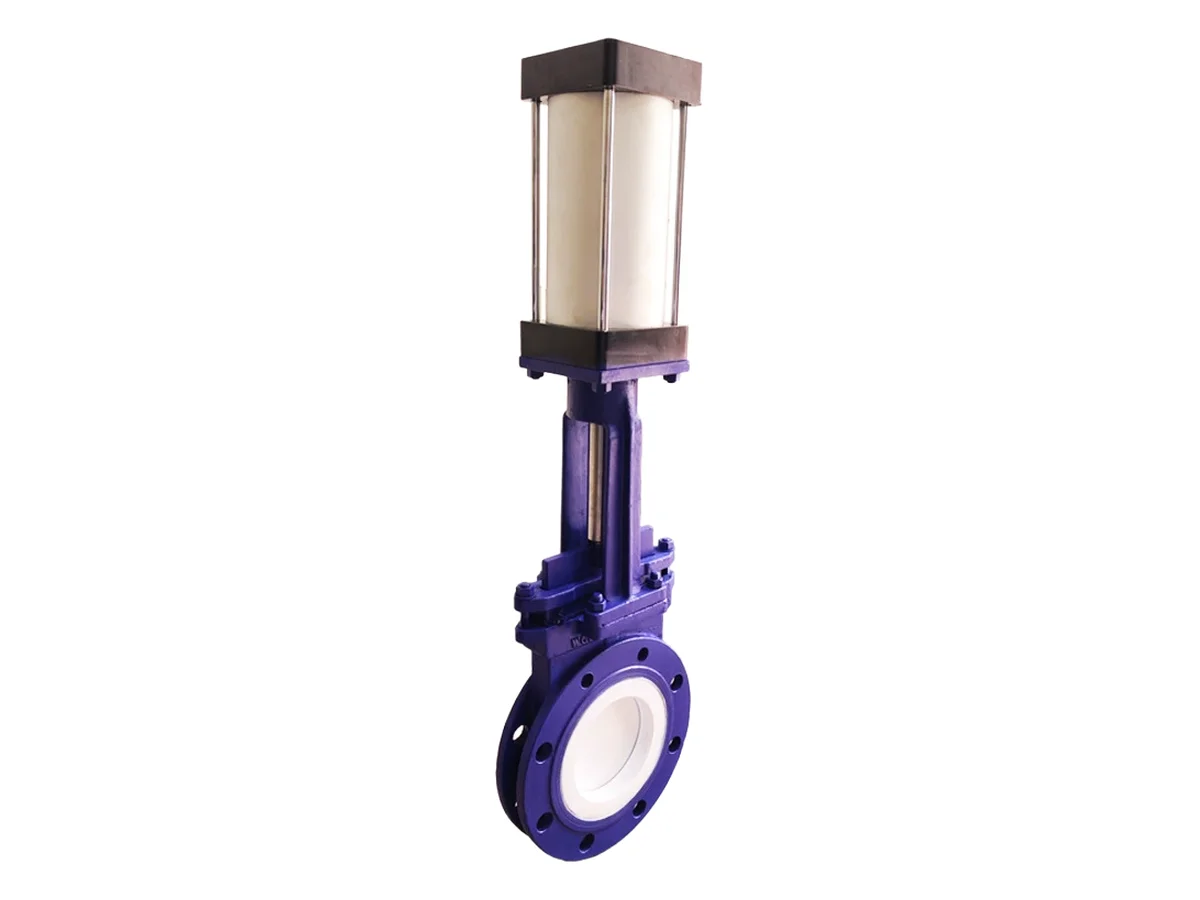
Where the product is highly abrasive, an inflatable seat changes the failure mode completely. The seat stays retracted while the disc turns and is expanded against the disc by compressed air only at closure. Because there is no sliding contact during operation, friction and seat wear fall dramatically and the actuator can be much smaller. The construction also tolerates particles trapped between seat and disc, which is what usually destroys a conventional soft seat in powder service.
Sealing direction and installation position
A valve mounted under a silo sees pressure reverse as the vessel fills and empties, so bidirectional bubble-tight shutoff matters more than it appears on a drawing. Body style — wafer, lugged, flanged or clamp — should be chosen to drop into the existing outlet without adapter work, since every adapter is another potential leak path. Orientation, weather protection and access for seal replacement are installation decisions, and seals that can be changed without disturbing the factory pipework save significant downtime over the life of the machine.
Putting it on the enquiry
State the product, its bulk density, particle size, abrasiveness, temperature and moisture; the pressure differential across the valve; the required throughput and cycle frequency; the connection type and size; the construction materials needed; and whether the dust is combustible and the area zoned. A valve selected against those answers will outlast one selected on bore and pressure class many times over. CHUYAO supplies powder shut-off valves as part of the complete handling line, matched to the vessels and feeders they connect.
Combustible dust, hygiene and ratings
Where the powder is combustible, the valve cannot be treated as an inert piece of hardware. Conductive parts have to be bonded and earthed, including the disc, shaft, body and actuator mounting, and continuity should be verified rather than assumed — particularly across any coating or isolating gasket. Elastomer seats have to be specified for the product and the temperature, and where inerting is used the seat and seal materials still need the same static control. Component ratings for the zone apply to the actuator, solenoids and position switches as much as to anything else. On the hygiene side, food and pharmaceutical duty calls for polished product-contact surfaces, drainable geometry and a seat material with the right food-contact credentials. Both requirements are straightforward to meet at specification stage and awkward to retrofit once the valve is welded into the line.